
The Hidden Challenge in Your Water: How Chloramine Impacts Health and Home Filtration Systems
The Hidden Challenge in Your Water: How Chloramine Impacts Health and Home Filtration Systems
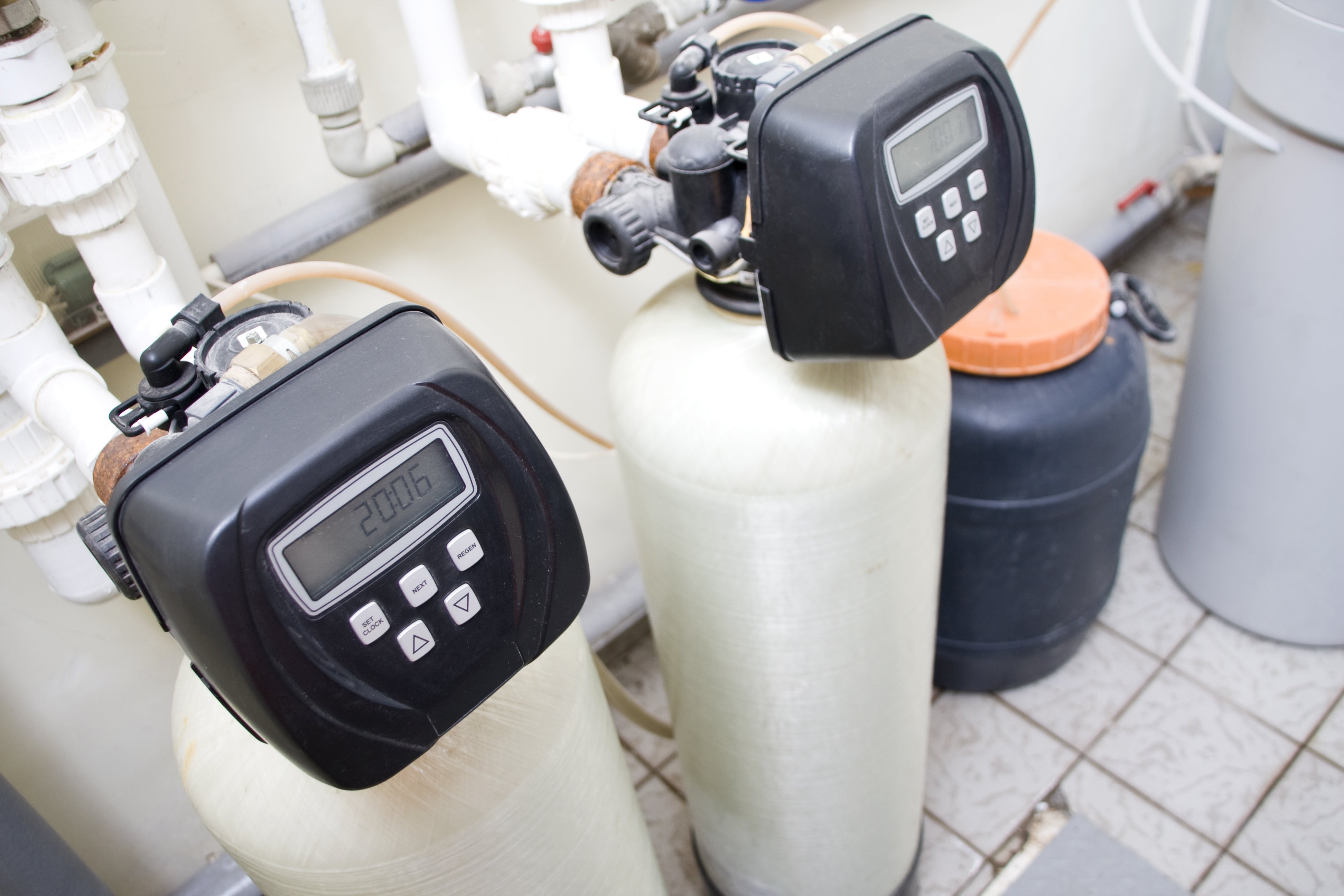
Many cities now use chloramine—a mix of chlorine and ammonia—to disinfect drinking water. While it lasts longer than chlorine, it’s harder to remove and can irritate skin, eyes, and lungs. Chloramine may also cause lead to leach from older pipes. For homeowners, it can damage reverse osmosis membranes, shorten carbon filter life, and degrade water softener resin. To protect your health and systems, install a catalytic carbon pre-filter and replace filters regularly. Though chloramine keeps water safe from bacteria, it’s harsh on people and plumbing—making proper filtration essential for long-term clean, healthy water.

Rubber Duckies, Bath Rings, and Mystery Film
Rubber duckies are cute. Bath rings are not. If your tub grows a mystery film overnight, hard-water minerals plus soap can create stubborn buildup that clings to enamel, toys, and skin. This post keeps it simple: test for hardness, use less soap, and rinse the tub right after bathing so the ring doesn’t set. Add a bath or shower filter for comfort, and keep a microfiber cloth or squeegee for a 30-second reset. If you’re a homeowner battling scale, it may be time to talk whole-home treatment. Take the Water Health Check, then book a Water Health Consult today.