
The Hidden Challenge in Your Water: How Chloramine Impacts Health and Home Filtration Systems
The Hidden Challenge in Your Water: How Chloramine Impacts Health and Home Filtration Systems
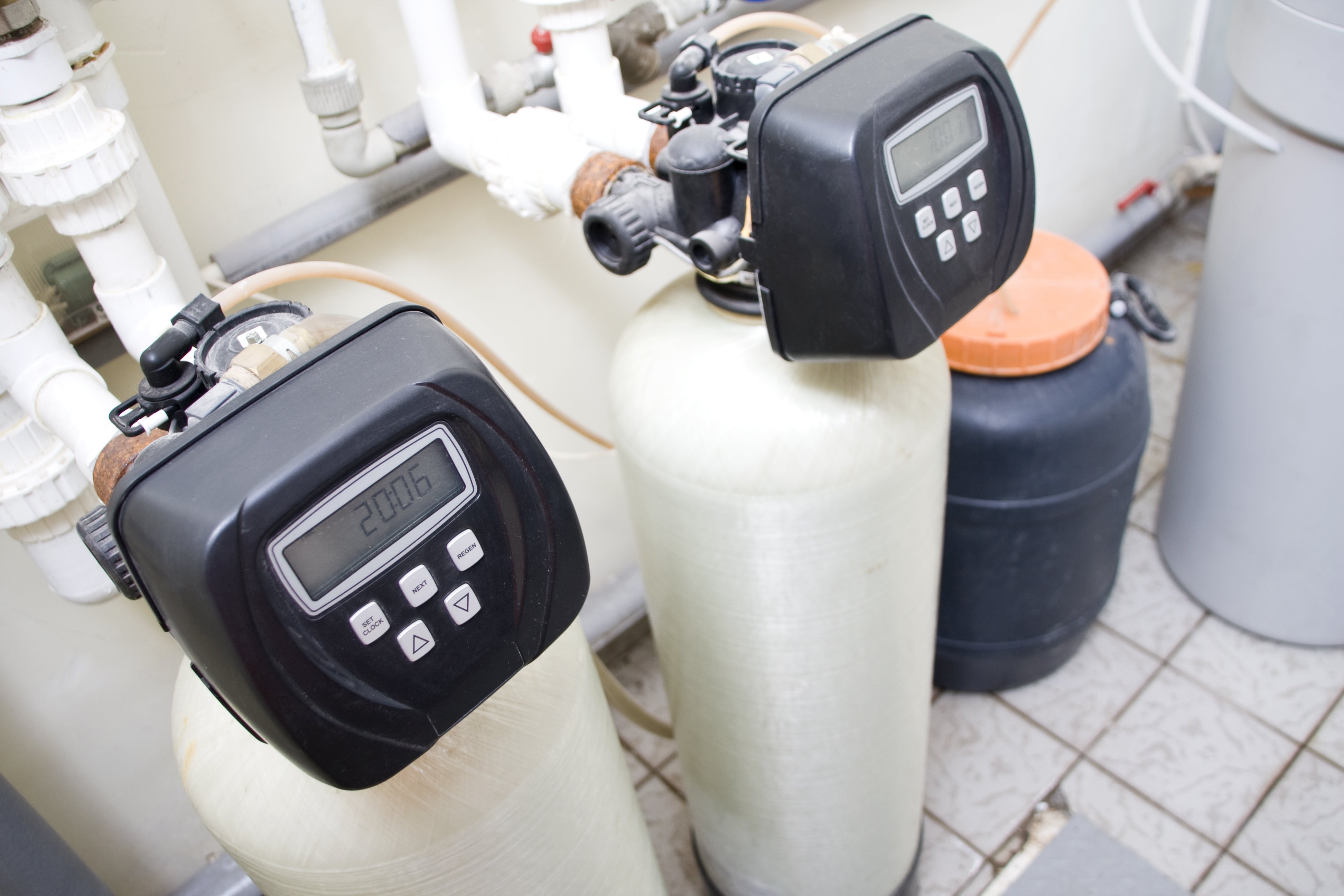
Many cities now use chloramine—a mix of chlorine and ammonia—to disinfect drinking water. While it lasts longer than chlorine, it’s harder to remove and can irritate skin, eyes, and lungs. Chloramine may also cause lead to leach from older pipes. For homeowners, it can damage reverse osmosis membranes, shorten carbon filter life, and degrade water softener resin. To protect your health and systems, install a catalytic carbon pre-filter and replace filters regularly. Though chloramine keeps water safe from bacteria, it’s harsh on people and plumbing—making proper filtration essential for long-term clean, healthy water.

Renters vs Homeowners: Best ROI Setup at Each Level
Renters and homeowners can both win on water—just with different ROI moves. Renters get the biggest payoff from zero-plumbing upgrades: a countertop or pitcher filter for drinking and cooking, plus a shower filter for comfort. Homeowners often get better long-term ROI with an under-sink kitchen system first, then whole-home planning if scale is damaging appliances. This post gives a simple ladder, the budget logic, and a “taste proof” test: make filtered ice for one week. Take the Water Health Check to find your level, then book a Water Health Consult so you buy once and feel the difference fast.