
The Hidden Challenge in Your Water: How Chloramine Impacts Health and Home Filtration Systems
The Hidden Challenge in Your Water: How Chloramine Impacts Health and Home Filtration Systems
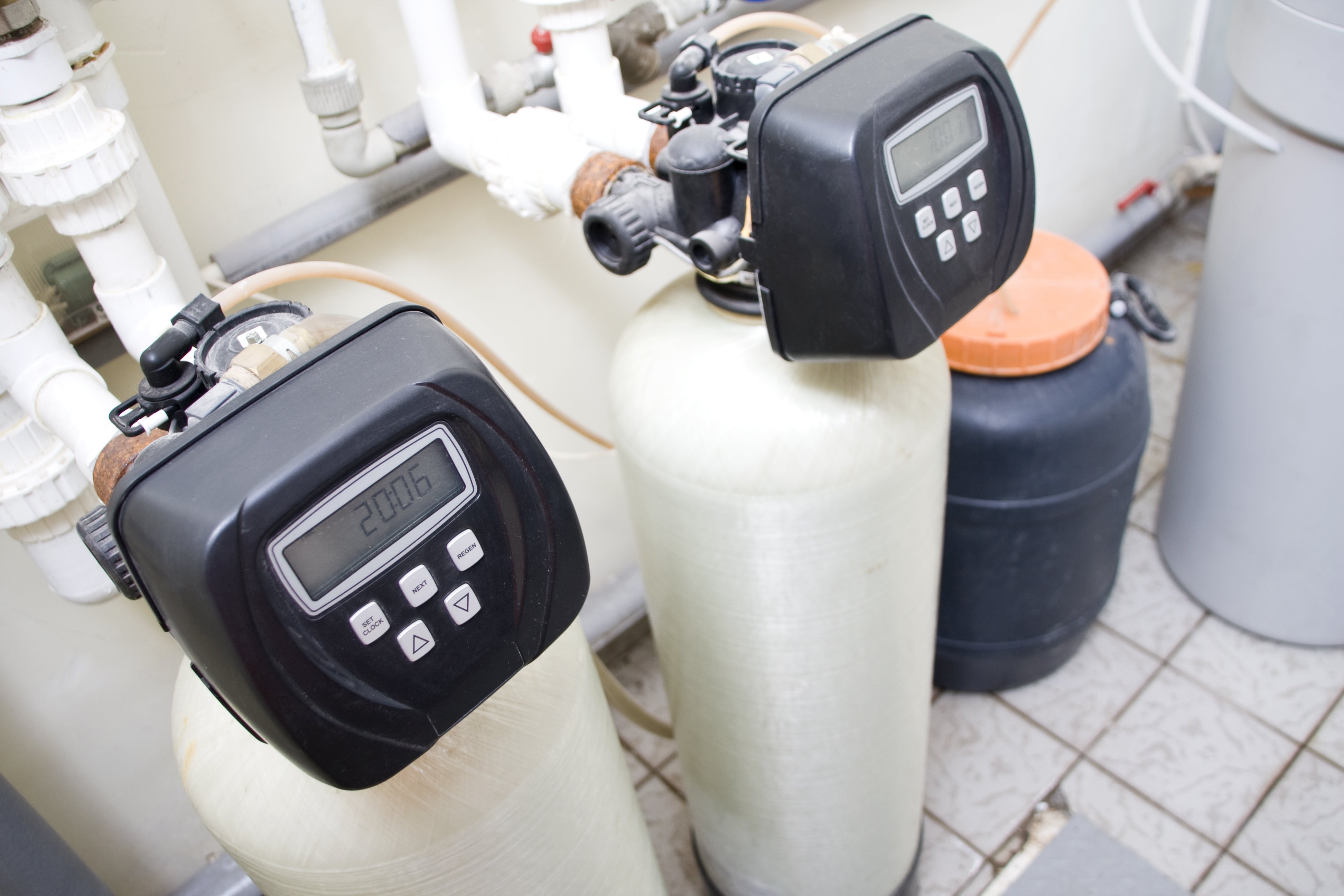
Many cities now use chloramine—a mix of chlorine and ammonia—to disinfect drinking water. While it lasts longer than chlorine, it’s harder to remove and can irritate skin, eyes, and lungs. Chloramine may also cause lead to leach from older pipes. For homeowners, it can damage reverse osmosis membranes, shorten carbon filter life, and degrade water softener resin. To protect your health and systems, install a catalytic carbon pre-filter and replace filters regularly. Though chloramine keeps water safe from bacteria, it’s harsh on people and plumbing—making proper filtration essential for long-term clean, healthy water.
Camping/Beach Day: Travel Water Without the Plastic Pile
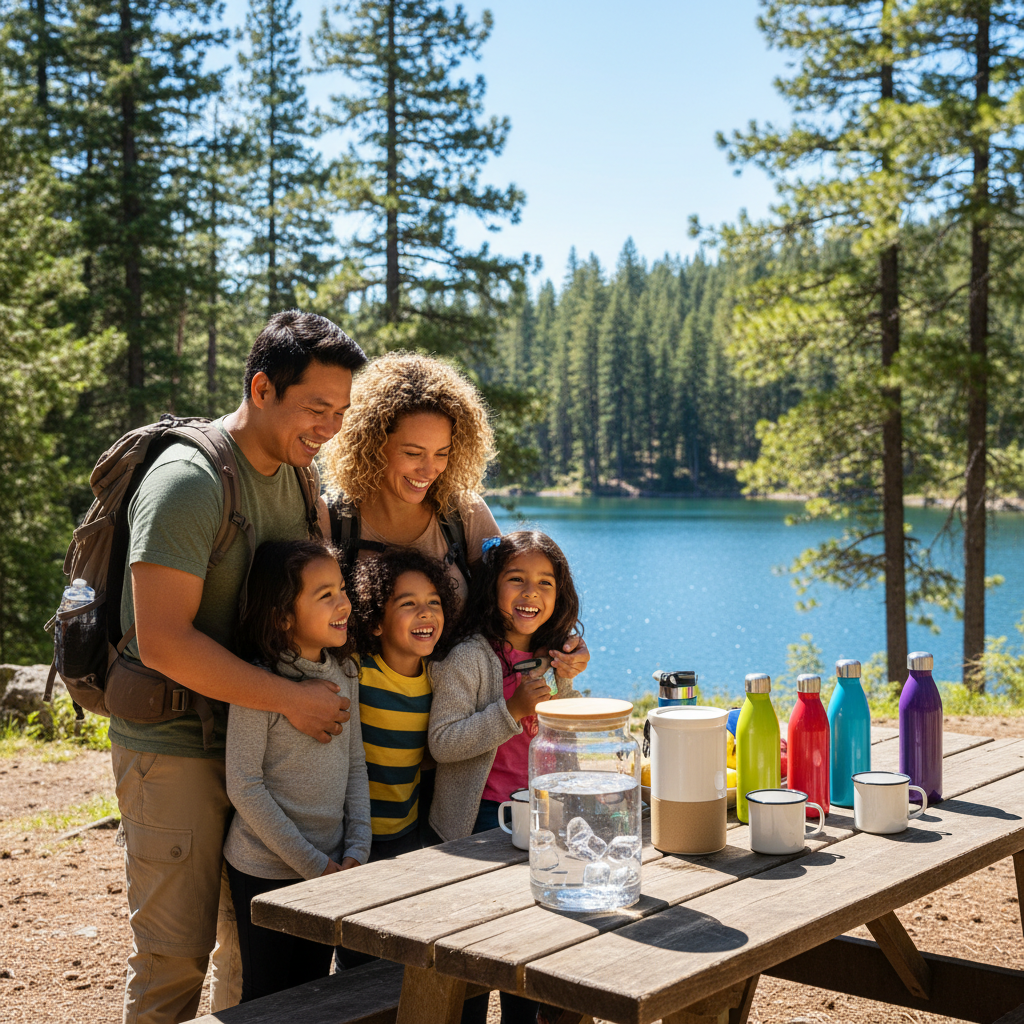
Camping or beach day should not end with a mountain of plastic bottles. This post shows a simple travel-water system: bring a filter water bottle for each person, pack a collapsible water jug for refills, and pre-make filtered ice so the cooler doesn’t “season” drinks. Use a car organizer so bottles don’t roll under seats, and a small brush kit so lids don’t get funky mid-trip. Bonus: pack a small cooler thermometer so ice lasts. Start renter-friendly at home with a pitcher or countertop filter, then level up later. Take the Water Health Check, then book a Water Health Consult.
The Cooler Water That “Seasoned” Everything
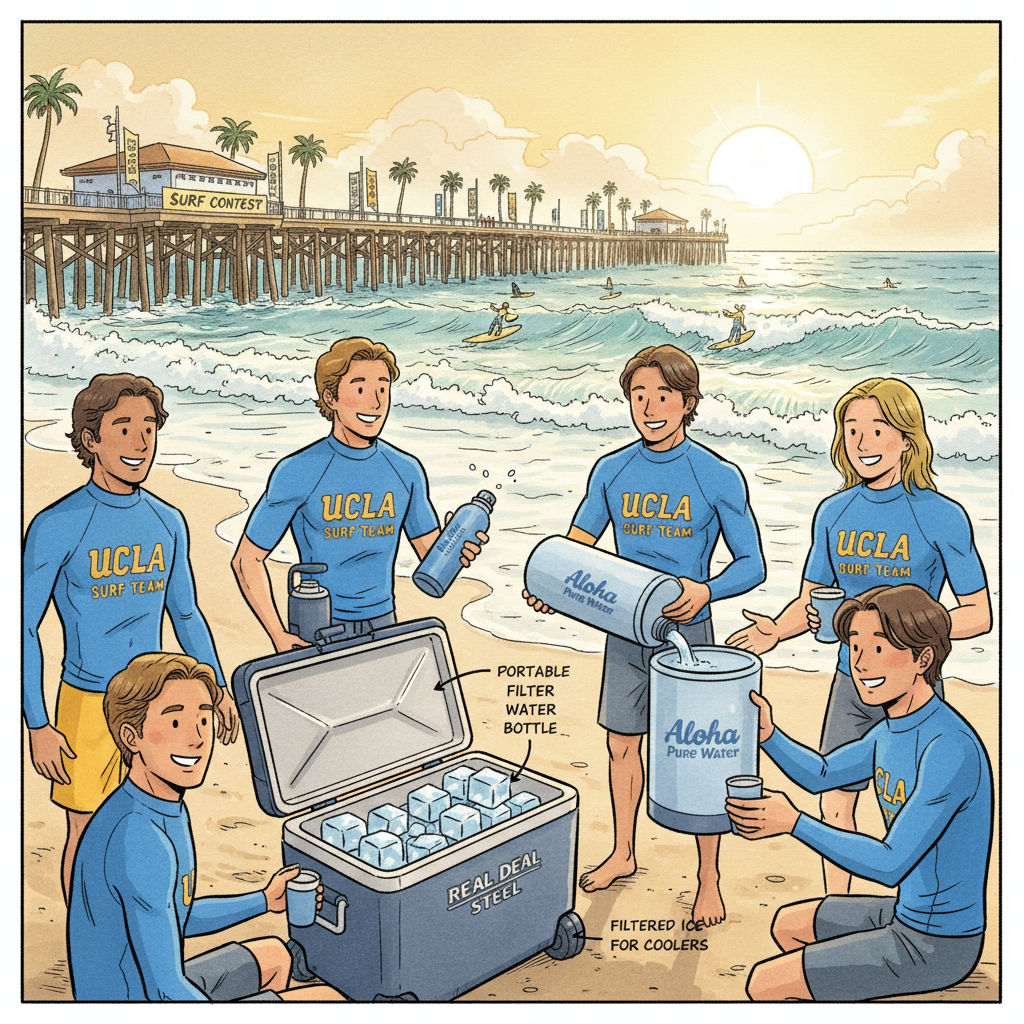
If your cooler water “seasoned” everything, you’re not crazy. Warm plastic, melting ice, and tap water taste can turn into a penny-ish aftertaste that kids refuse. This post gives a sideline plan: fill a team jug at home with filtered water, use filtered ice, and pack portable filter bottles for backup. Clean the cooler with a rinse-friendly soap, and keep spouts dry so funk doesn’t grow. Less plastic, happier hydration, fewer arguments for everyone. Bonus: freeze half your ice at home and you’ll stop buying bottles every tournament weekend. Take the Water Health Check, then book a Water Health Consult.