
The Hidden Challenge in Your Water: How Chloramine Impacts Health and Home Filtration Systems
The Hidden Challenge in Your Water: How Chloramine Impacts Health and Home Filtration Systems
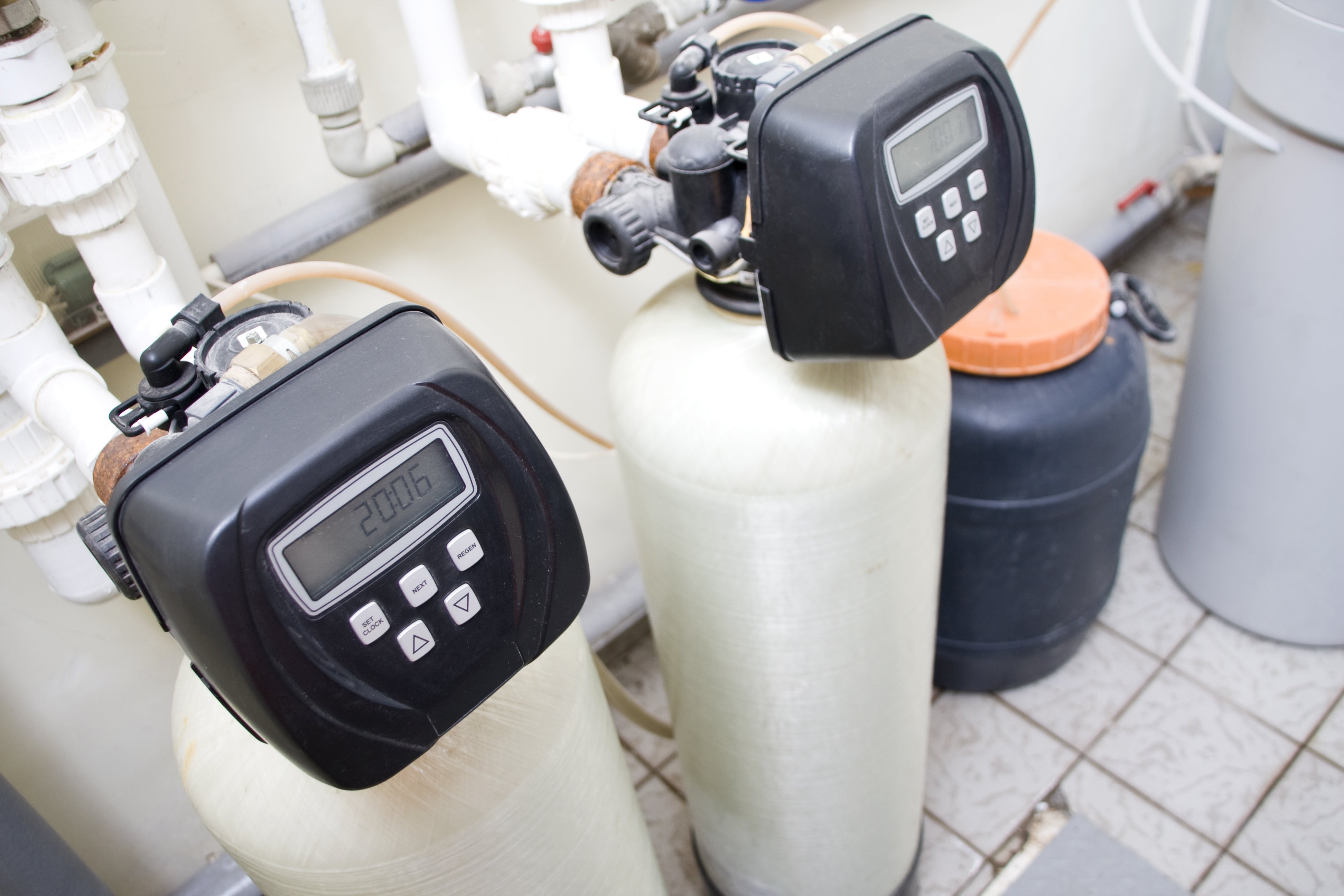
Many cities now use chloramine—a mix of chlorine and ammonia—to disinfect drinking water. While it lasts longer than chlorine, it’s harder to remove and can irritate skin, eyes, and lungs. Chloramine may also cause lead to leach from older pipes. For homeowners, it can damage reverse osmosis membranes, shorten carbon filter life, and degrade water softener resin. To protect your health and systems, install a catalytic carbon pre-filter and replace filters regularly. Though chloramine keeps water safe from bacteria, it’s harsh on people and plumbing—making proper filtration essential for long-term clean, healthy water.
Why My Reusable Bottle Smells Like Regret
If your reusable bottle smells like regret, it’s usually biofilm hiding in lids, straws, and valves—not “bad water.” This post gives a calm reset: use a bottle brush set that reaches tight spots, drop in cleaning tablets weekly, and air-dry on a rack so parts fully dry. Choose a dishwasher-safe, wide-mouth stainless bottle, and avoid leaving sugary drinks overnight. Replace worn gaskets when needed. If your tap tastes off, start with a pitcher or countertop filter so you actually want to drink it. Take the Water Health Check, then book a Water Health Consult for your home’s best setup.