
The Hidden Challenge in Your Water: How Chloramine Impacts Health and Home Filtration Systems
The Hidden Challenge in Your Water: How Chloramine Impacts Health and Home Filtration Systems
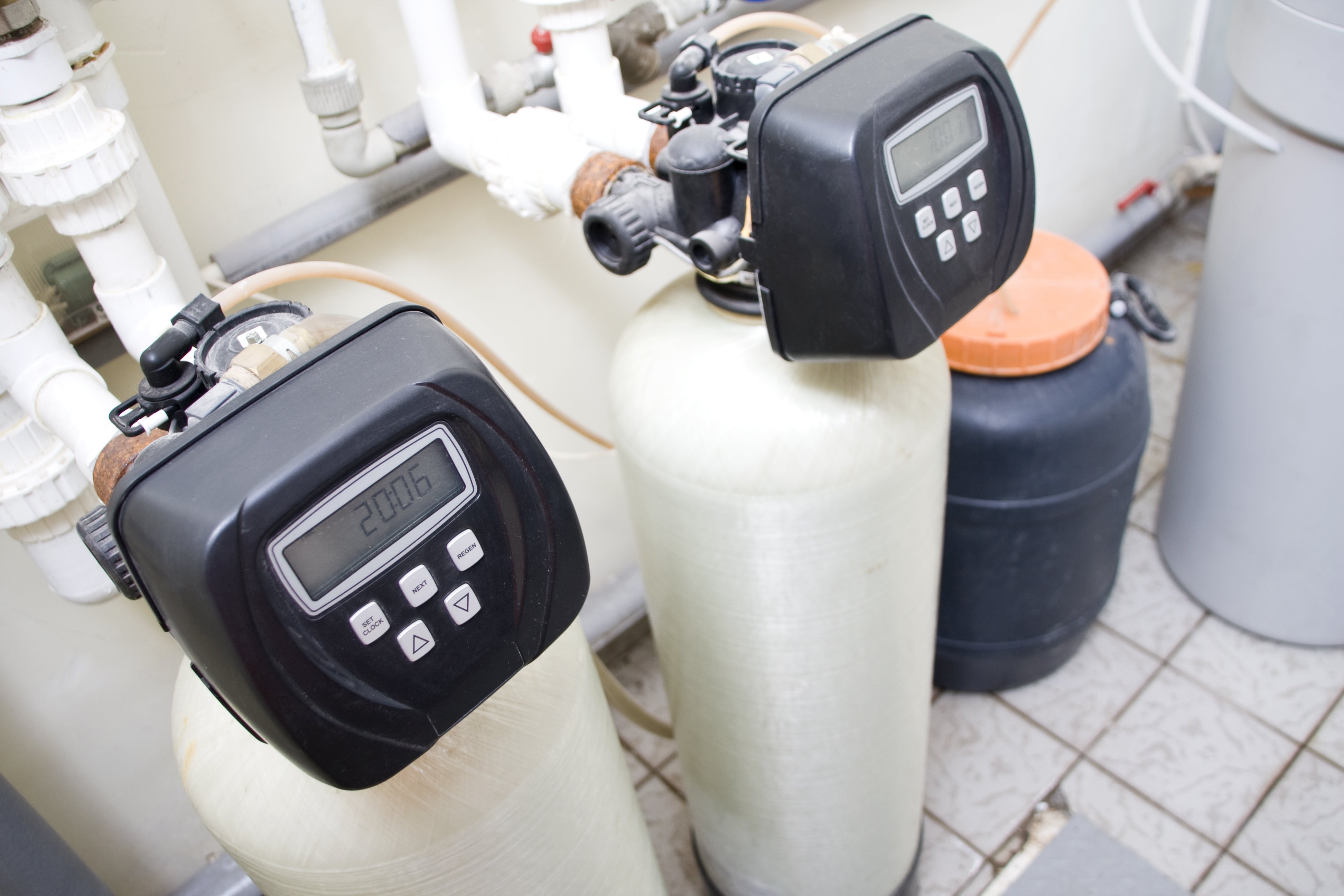
Many cities now use chloramine—a mix of chlorine and ammonia—to disinfect drinking water. While it lasts longer than chlorine, it’s harder to remove and can irritate skin, eyes, and lungs. Chloramine may also cause lead to leach from older pipes. For homeowners, it can damage reverse osmosis membranes, shorten carbon filter life, and degrade water softener resin. To protect your health and systems, install a catalytic carbon pre-filter and replace filters regularly. Though chloramine keeps water safe from bacteria, it’s harsh on people and plumbing—making proper filtration essential for long-term clean, healthy water.

The Upgrade Buyers Don’t See (But Absolutely Feel)
Some upgrades show in photos; water upgrades show up in daily life. Better-tasting drinking water, cleaner ice, softer showers, and less scale make a home feel cared for—even if buyers can’t name why. This post explains the “invisible ROI”: fewer appliance repairs, better coffee and cooking, and a calmer routine for kids and guests. Start with an under-sink kitchen system for maximum daily impact, then plan whole-home treatment if hardness is chewing up heaters and fixtures. Take the Water Health Check, then book a Water Health Consult to build a smart upgrade plan that fits your timeline and budget.
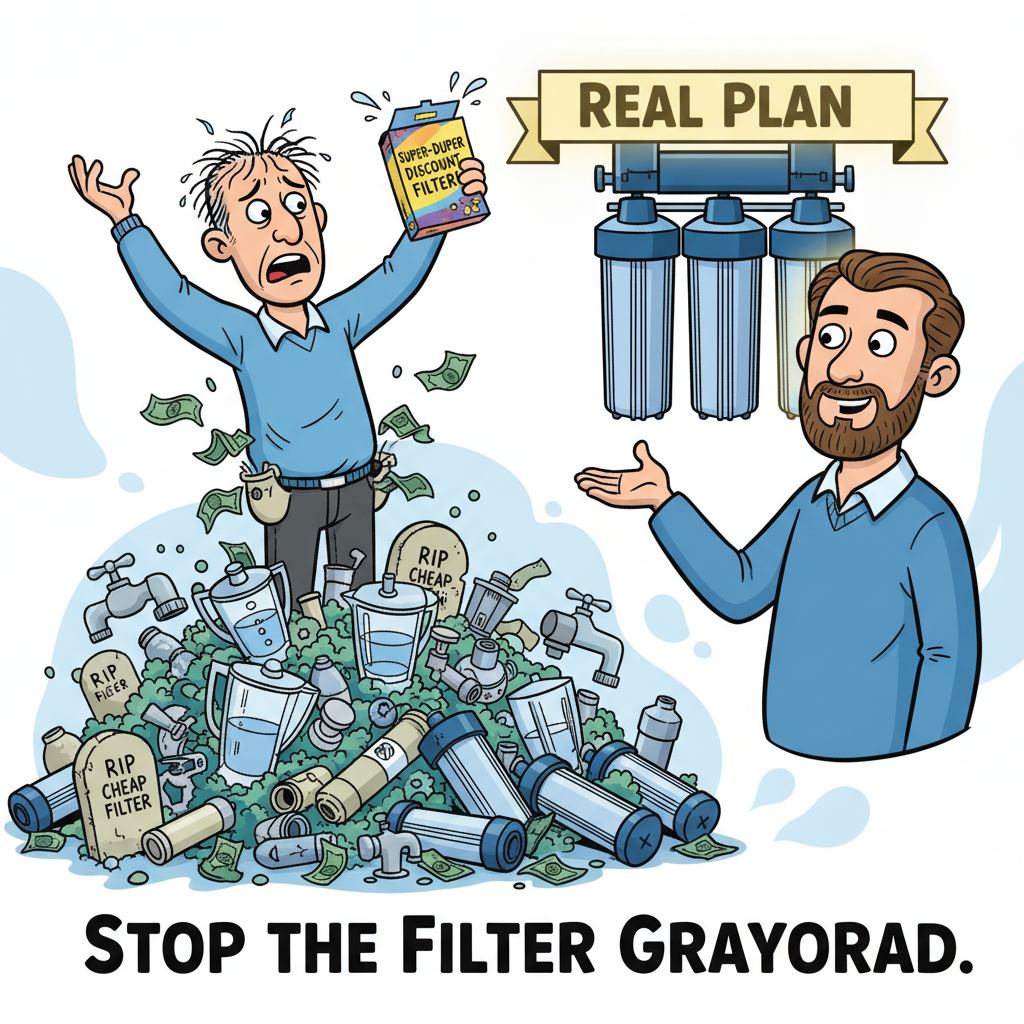
Cheap Filter vs Real Plan: Why “Random” Gets Expensive
Random filters feel cheap until you own a “filter graveyard” under the sink: three devices, two unused cartridges, and zero confidence. This post explains why mismatch costs more—buying taste filters for hardness problems, forgetting replacements, and chasing symptoms instead of a plan. You’ll get the ROI workflow: do a basic test, pick one reliable system (pitcher/countertop/under-sink), set a reminder, and track results for seven days with filtered ice. Spend once, not repeatedly. Take the Water Health Check, then book a Water Health Consult to match the right solution to your home and budget from day one.

How to Start Your Own 30-Day Water Health Experiment
Want a simple way to stop guessing about your water? Start a 30-day Water Health Experiment. Week 1: run a home test, clean your faucet aerator, and make filtered ice. Week 2: choose one upgrade you’ll keep—pitcher or countertop filter—and track taste, spots, and kettle scale. Week 3: add a shower comfort test (filter + ventilation) and notice skin and hair feel. Week 4: decide your long-term level—under-sink or whole-home—and set reminders for maintenance. This post includes a checklist and family-friendly scorecard. Take the Water Health Check, then book a Water Health Consult to personalize the experiment.