
The Hidden Challenge in Your Water: How Chloramine Impacts Health and Home Filtration Systems
The Hidden Challenge in Your Water: How Chloramine Impacts Health and Home Filtration Systems
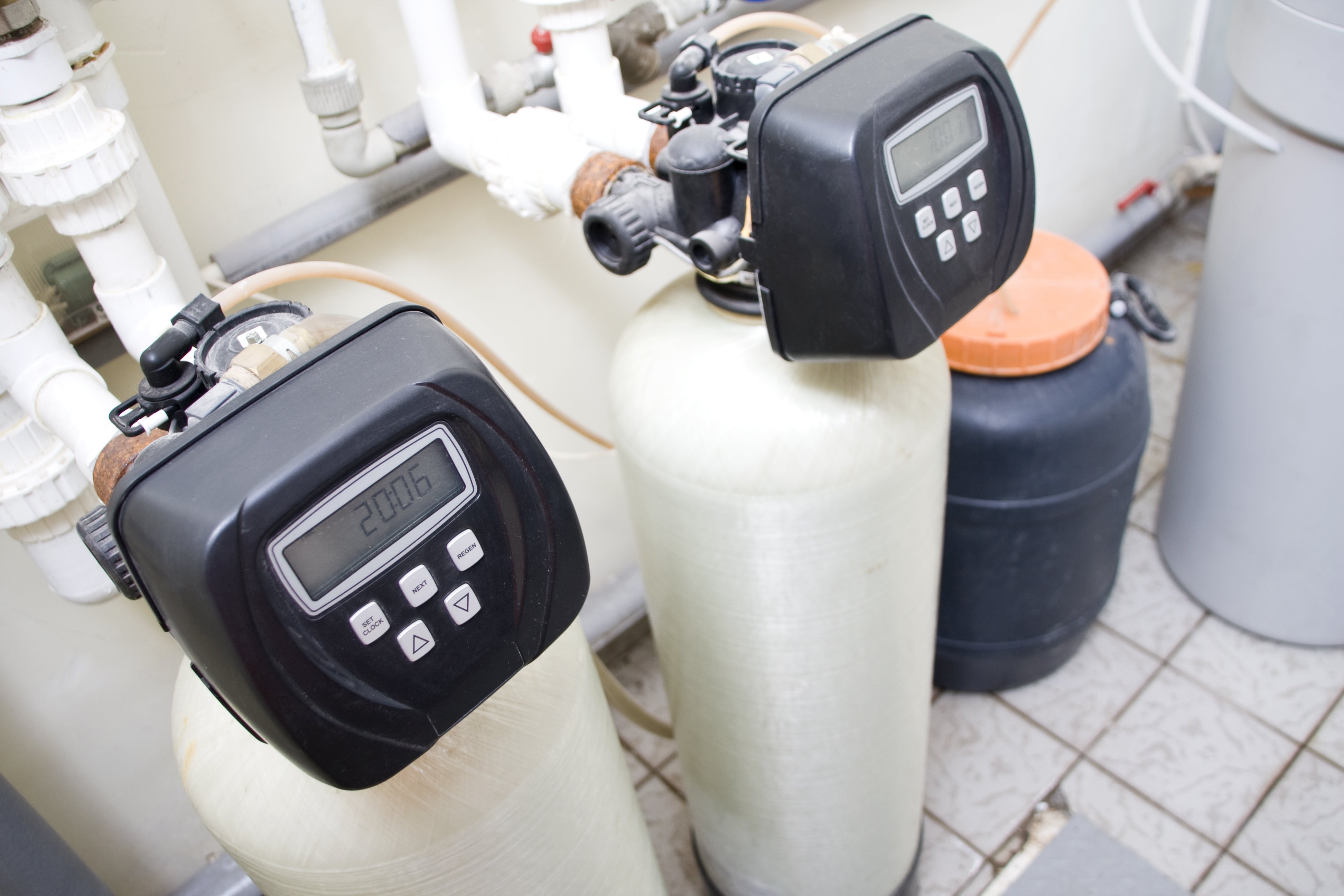
Many cities now use chloramine—a mix of chlorine and ammonia—to disinfect drinking water. While it lasts longer than chlorine, it’s harder to remove and can irritate skin, eyes, and lungs. Chloramine may also cause lead to leach from older pipes. For homeowners, it can damage reverse osmosis membranes, shorten carbon filter life, and degrade water softener resin. To protect your health and systems, install a catalytic carbon pre-filter and replace filters regularly. Though chloramine keeps water safe from bacteria, it’s harsh on people and plumbing—making proper filtration essential for long-term clean, healthy water.
Sleep, Snoring, and the 3 AM Water Run
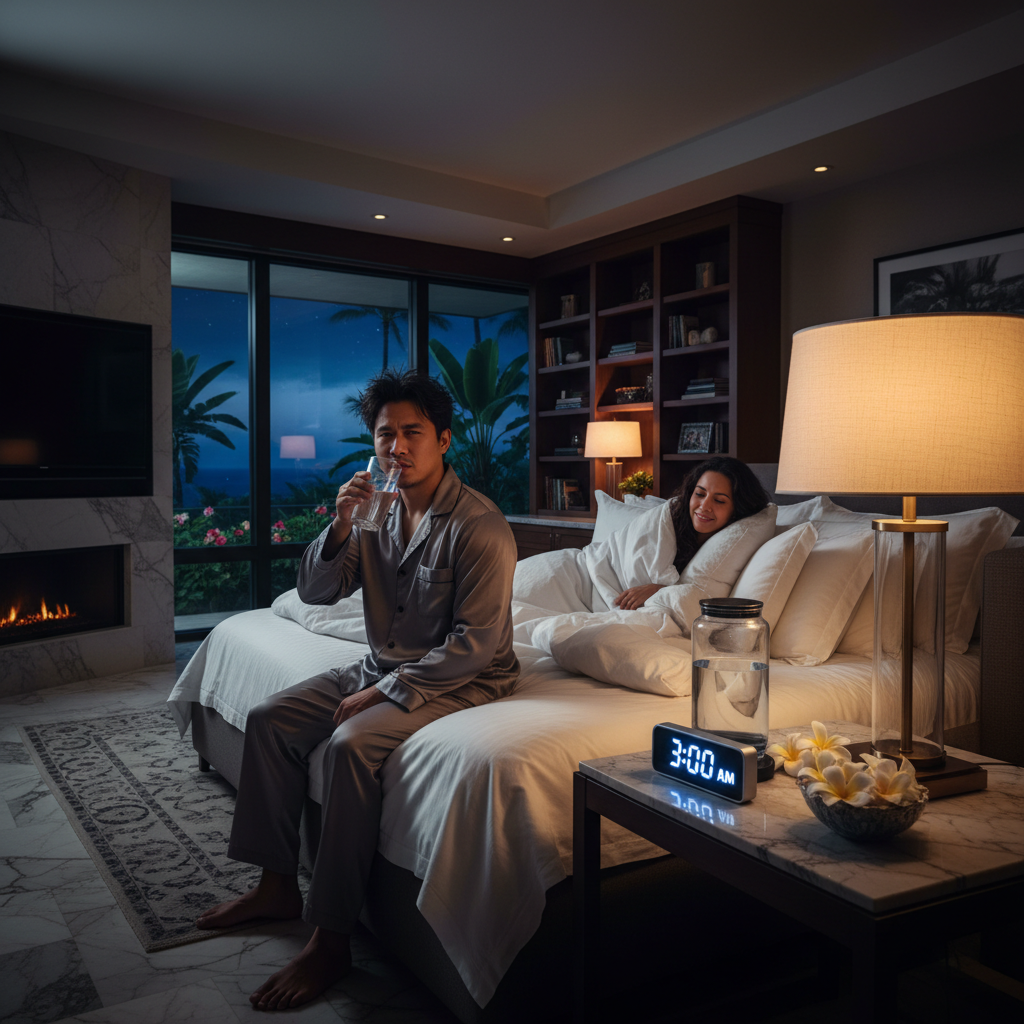
Doing the 3 a.m. water run? Dry air and warm rooms can leave you waking thirsty. This comfort-first post shares wins: keep a bedside carafe, use a straw bottle for quiet sips, and run a humidifier if your room is dry (use filtered water to reduce mineral dust). Start with better-tasting water (pitcher/countertop) so hydration is effortless. Add a humidity monitor for comfort, and an electric kettle for caffeine-free tea before bed. Set a reminder to refill daily. Persistent snoring or sleep issues deserve a clinician check-in. Take the Water Health Check, then book a Water Health Consult.