
The Hidden Challenge in Your Water: How Chloramine Impacts Health and Home Filtration Systems
The Hidden Challenge in Your Water: How Chloramine Impacts Health and Home Filtration Systems
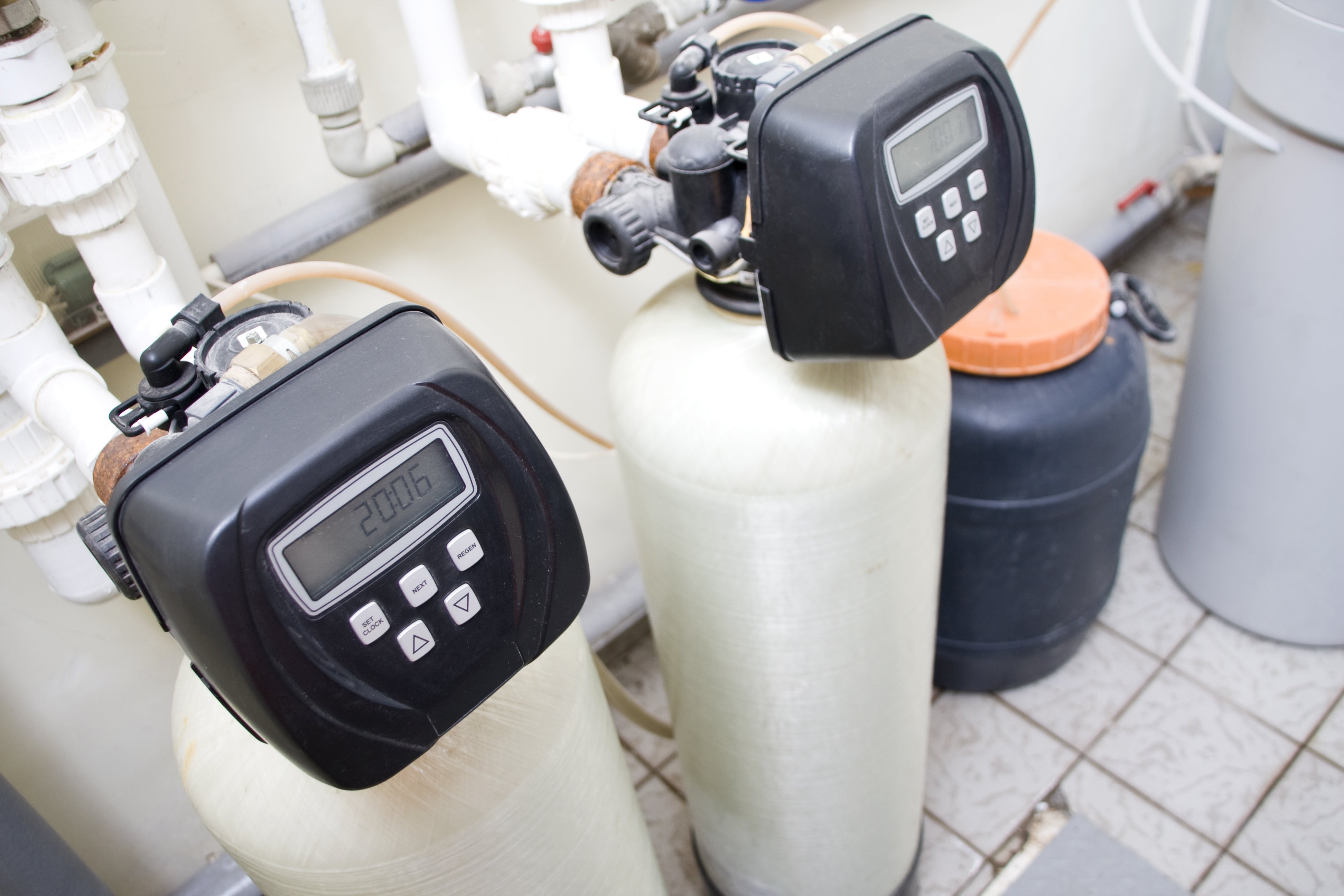
Many cities now use chloramine—a mix of chlorine and ammonia—to disinfect drinking water. While it lasts longer than chlorine, it’s harder to remove and can irritate skin, eyes, and lungs. Chloramine may also cause lead to leach from older pipes. For homeowners, it can damage reverse osmosis membranes, shorten carbon filter life, and degrade water softener resin. To protect your health and systems, install a catalytic carbon pre-filter and replace filters regularly. Though chloramine keeps water safe from bacteria, it’s harsh on people and plumbing—making proper filtration essential for long-term clean, healthy water.
Things My 20-Year-Old Self Didn’t Know About Water
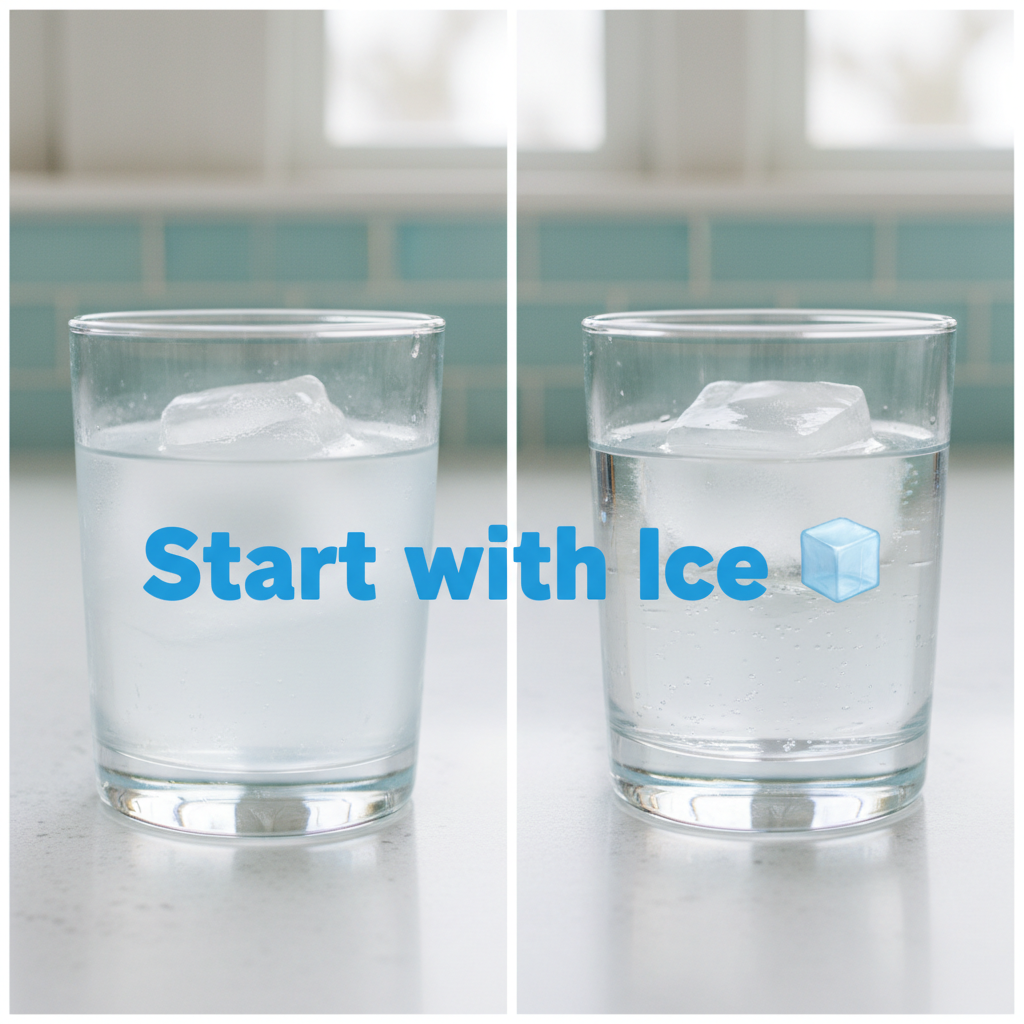
My 20-year-old self thought water was just water—until I met hard-water scale, cloudy glasses, and “pool smell” showers. This post shares the things I wish I knew earlier: ice is frozen tap flavor, hot water makes odors louder, and small upgrades beat big intentions. You’ll get a starter ladder—pitcher, countertop, under-sink, then whole-home—plus the 7-day taste test that converts skeptics. We’ll also cover simple maintenance: aerator cleaning, filter-change reminders, and bottle hygiene. If you want a plan that fits your home, take the Water Health Check and book a Water Health Consult without overbuying or guessing today.
If Tap Water Had a Yelp Page
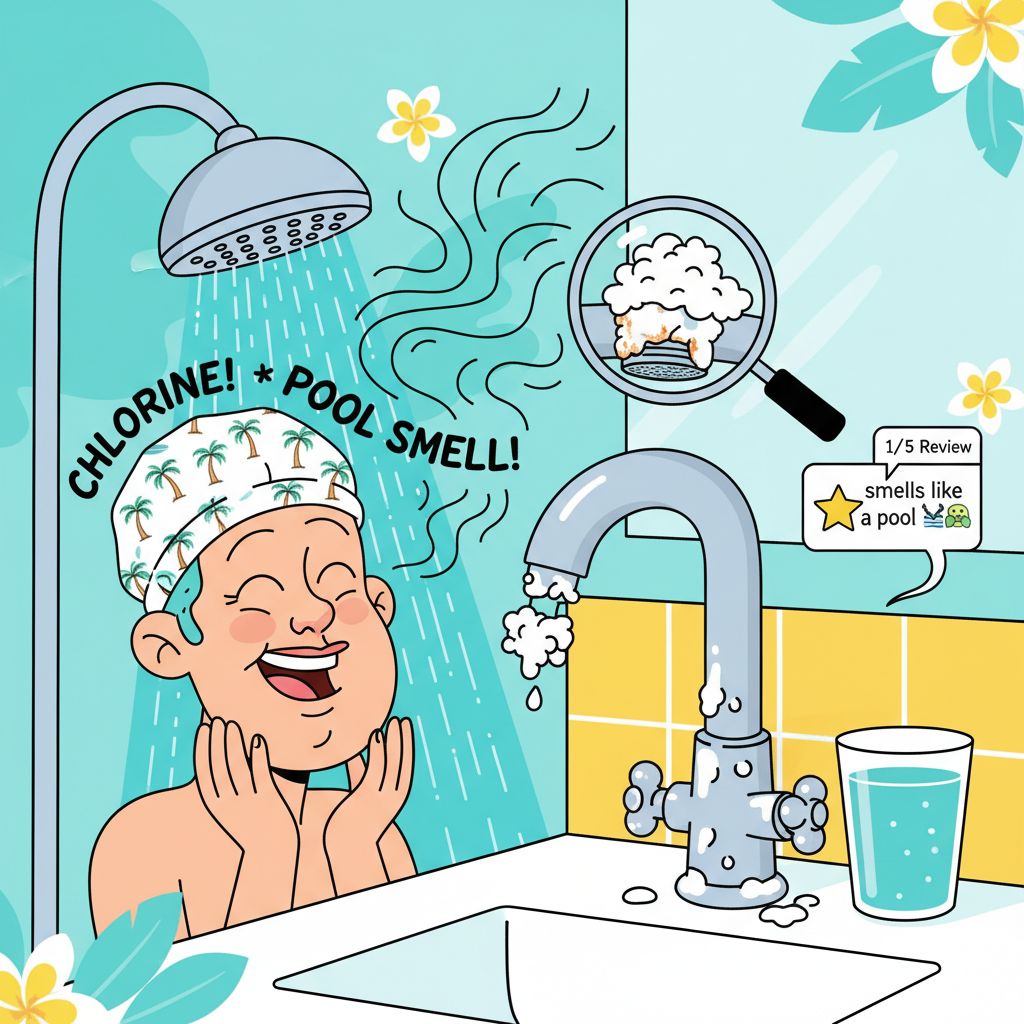
If tap water had a Yelp page, the reviews would be wild: “Great pressure, weird aftertaste,” “Smells like a pool in the shower,” and “My dishwasher needs therapy.” This post turns those ‘reviews’ into a plan. We’ll show what causes complaints—chlorine/chloramine odor, hard-water scale, and first-draw funk—and the fixes: clean the aerator, make filtered ice for a week, and start with a pitcher or countertop filter. Homeowners can level up to under-sink or whole-home when ready. Take the Water Health Check, then book a Water Health Consult for a plan that fits your home and budget today.
The “Quick Rinse” That Lasted 30 Minutes
The “quick rinse” that lasted 30 minutes is real—time moves differently behind shower glass. But long, hot showers can turn into long-term complaints: steam makes chlorine/chloramine smell louder, and heat can leave skin tight and hair frizzy. This post offers a kinder plan: use a shower timer and cut hottest minutes first, keep water warm—not volcanic—and add a shower filter for comfort. If you want spa vibes, use a bath pillow so you relax without roasting. Take the Water Health Check, then book a Water Health Consult for the best next step for your home today.