
The Hidden Challenge in Your Water: How Chloramine Impacts Health and Home Filtration Systems
The Hidden Challenge in Your Water: How Chloramine Impacts Health and Home Filtration Systems
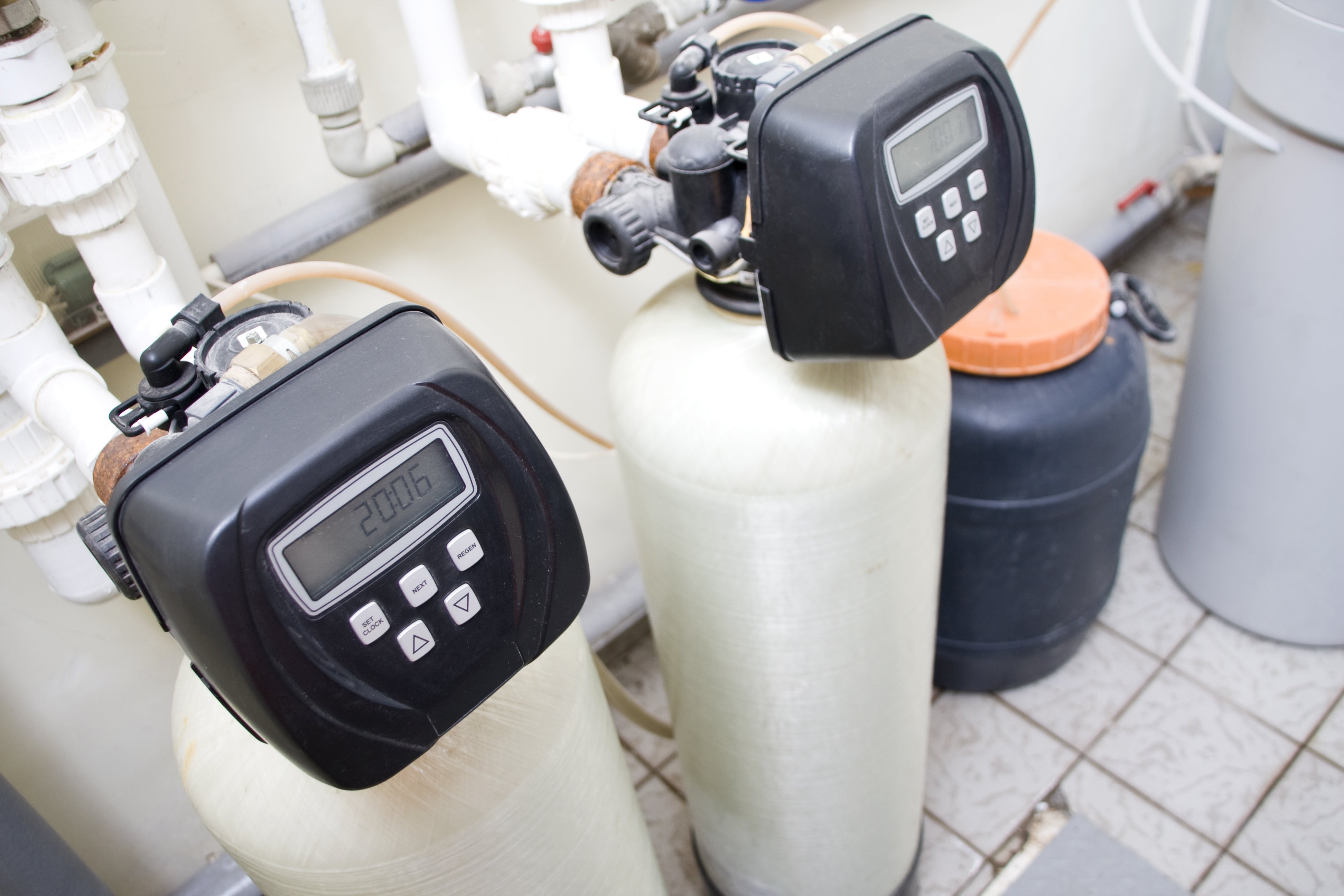
Many cities now use chloramine—a mix of chlorine and ammonia—to disinfect drinking water. While it lasts longer than chlorine, it’s harder to remove and can irritate skin, eyes, and lungs. Chloramine may also cause lead to leach from older pipes. For homeowners, it can damage reverse osmosis membranes, shorten carbon filter life, and degrade water softener resin. To protect your health and systems, install a catalytic carbon pre-filter and replace filters regularly. Though chloramine keeps water safe from bacteria, it’s harsh on people and plumbing—making proper filtration essential for long-term clean, healthy water.
Cheap Filter vs Real Plan: Why “Random” Gets Expensive
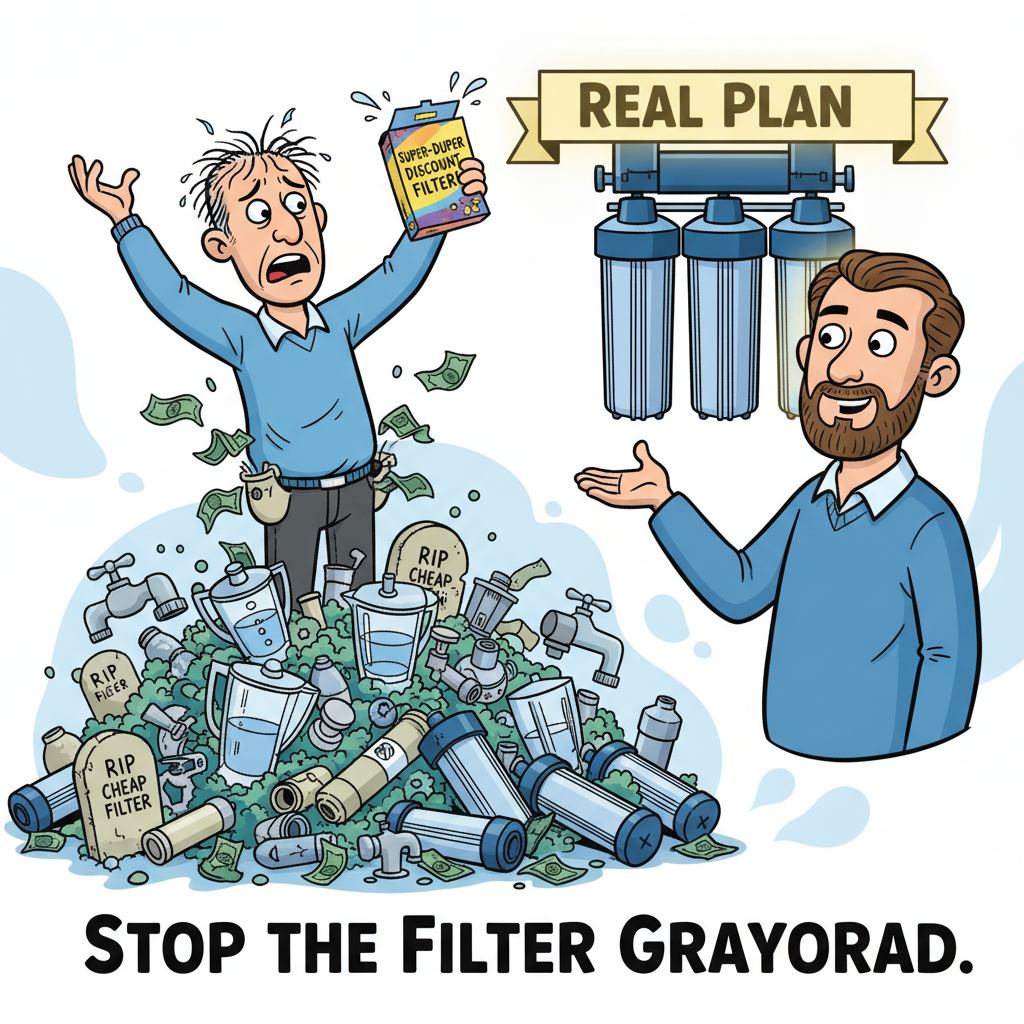
Random filters feel cheap until you own a “filter graveyard” under the sink: three devices, two unused cartridges, and zero confidence. This post explains why mismatch costs more—buying taste filters for hardness problems, forgetting replacements, and chasing symptoms instead of a plan. You’ll get the ROI workflow: do a basic test, pick one reliable system (pitcher/countertop/under-sink), set a reminder, and track results for seven days with filtered ice. Spend once, not repeatedly. Take the Water Health Check, then book a Water Health Consult to match the right solution to your home and budget from day one.
From Skeptic to Super Fan: How One Customer Switched
One customer came in a skeptic: “My water is fine—filters are a scam.” Then we did two things: we tested, and we ran a taste experiment with filtered ice. That was the turning point. This post walks through the objections we hear (cost, maintenance, fear of upsells) and the path that converts skeptics into super fans: start with a pitcher or countertop filter, upgrade to under-sink for drinking water, and add shower comfort if needed. You’ll get USA-made accessory picks and a reminder system for cartridges. Take the Water Health Check, then book a Water Health Consult.
The “I’m Embarrassed to Ask This” Questions (We’ve All Asked)
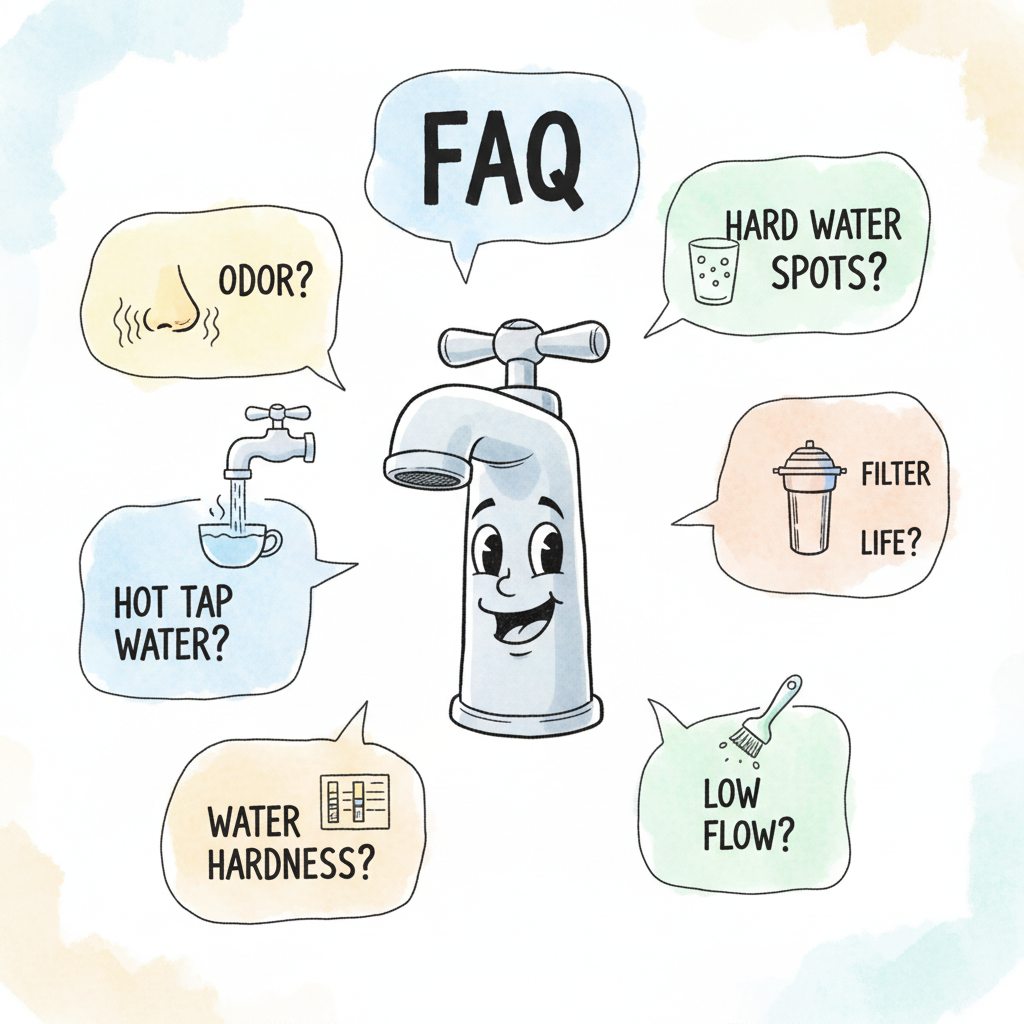
The “I’m embarrassed to ask this” water questions are the ones we hear most: “Is it normal for my shower to smell like a pool?” “Why are my dishes spotty?” “Can I drink hot tap water?” This post answers them in plain English, with next steps: clean the aerator, test hardness, start with a pitcher or countertop filter, and consider under-sink for drinking water. We’ll add comfort wins like filtered ice and a shower filter experiment, plus a reminder system so you don’t forget cartridges. Take the Water Health Check, then book a Water Health Consult for your home.
The Filter I Wish I’d Bought 10 Years Ago
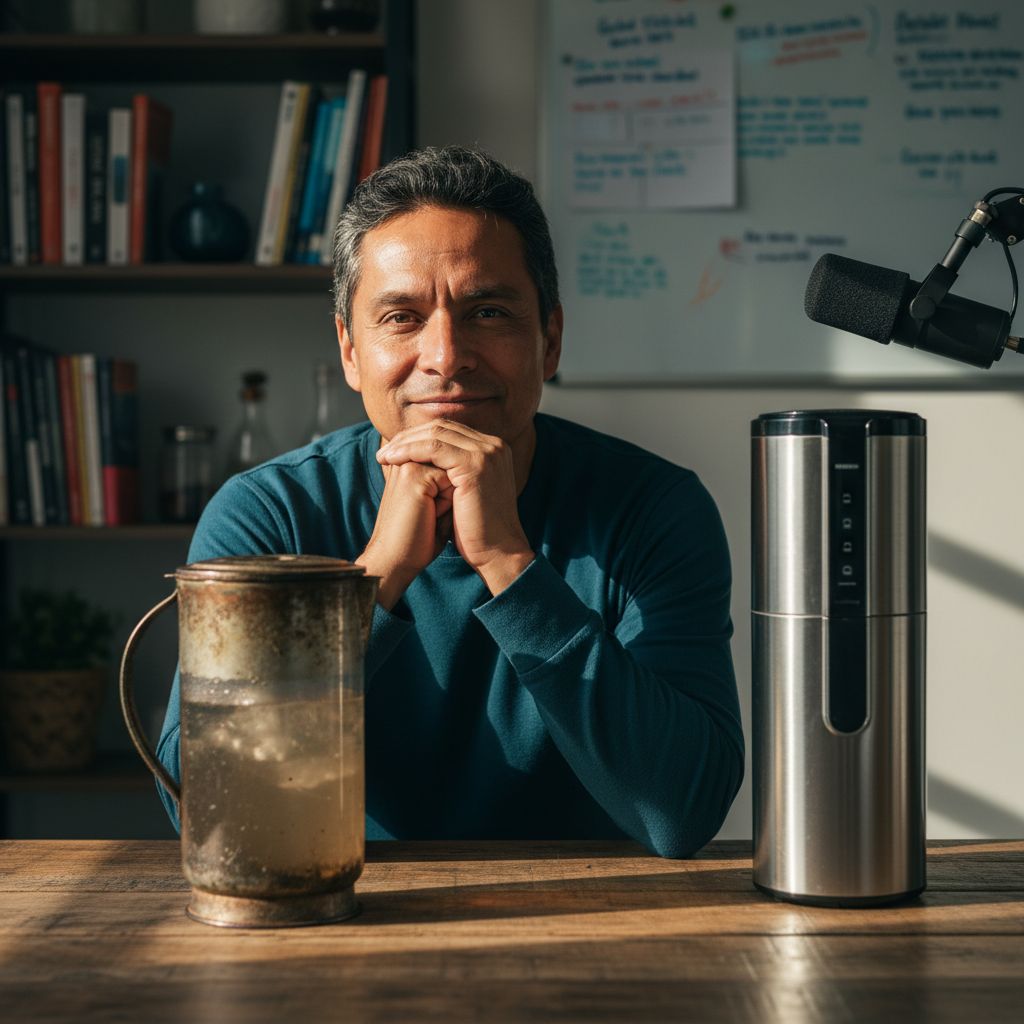
If I could go back 10 years, I’d buy one simple kitchen water upgrade first: an under-sink drinking water filter. It’s the driver—coffee, tea, pasta, ice, baby cups—so taste improves fast and habits stick. This post shares the ROI logic, the mistakes to skip, and how renters can start with a pitcher or countertop filter while homeowners go under-sink or RO. You’ll also learn when a shower filter makes sense for comfort. Take the Water Health Check, then book a Water Health Consult for a plan that fits your home and budget—no overbuying, no guessing.
Gym Water Fountain or Sink at Home?
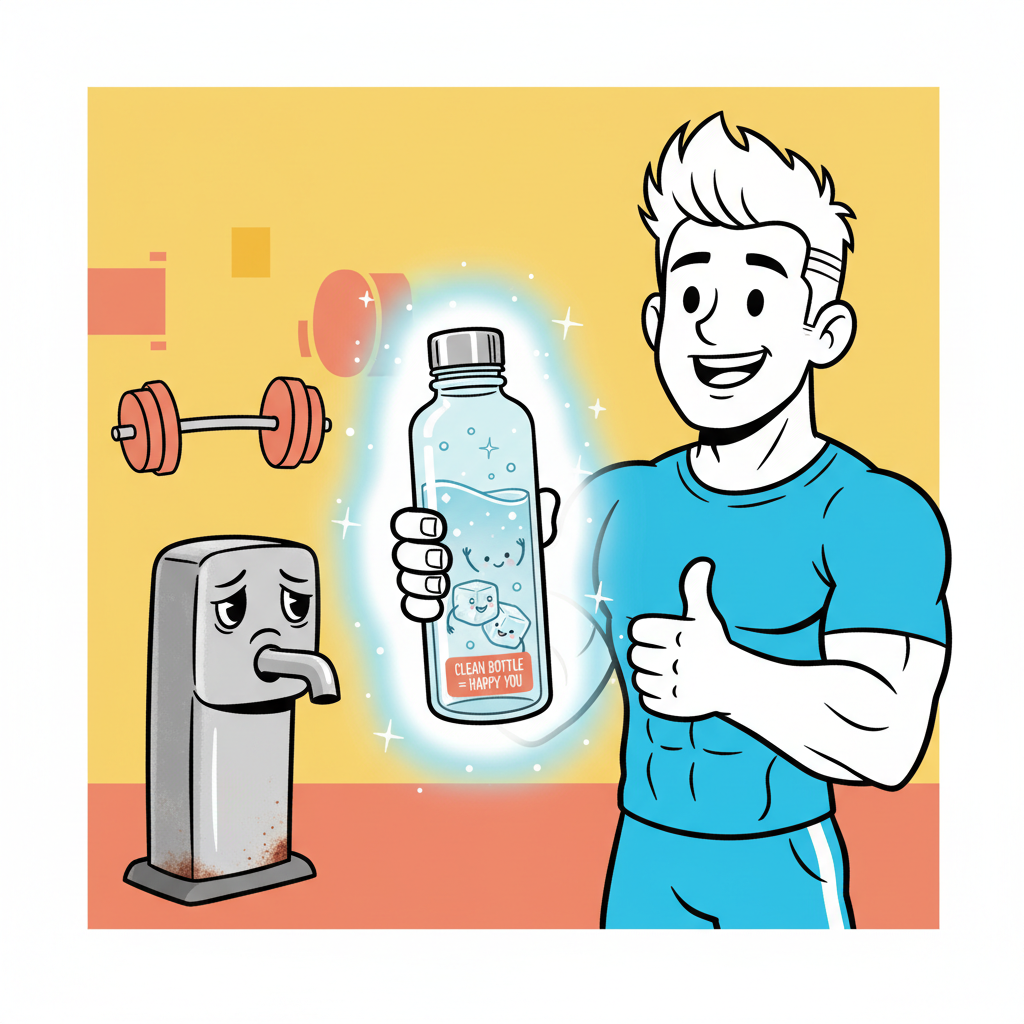
Gym water fountain or sink at home—why do both feel like a gamble? Chlorine taste, warm pipes, and funky bottle lids can ruin “healthy hydration” fast. This post offers a simple system: fill a bottle at home with filtered water, add filtered ice, and bring a filter bottle for travel days. Use a bottle brush set plus cleaning tablets so your reusable bottle never smells like regret. If you want consistent taste at home, start with a pitcher or countertop filter, then consider under-sink for drinking water. Take the Water Health Check, then book a Water Health Consult.