
The Hidden Challenge in Your Water: How Chloramine Impacts Health and Home Filtration Systems
The Hidden Challenge in Your Water: How Chloramine Impacts Health and Home Filtration Systems
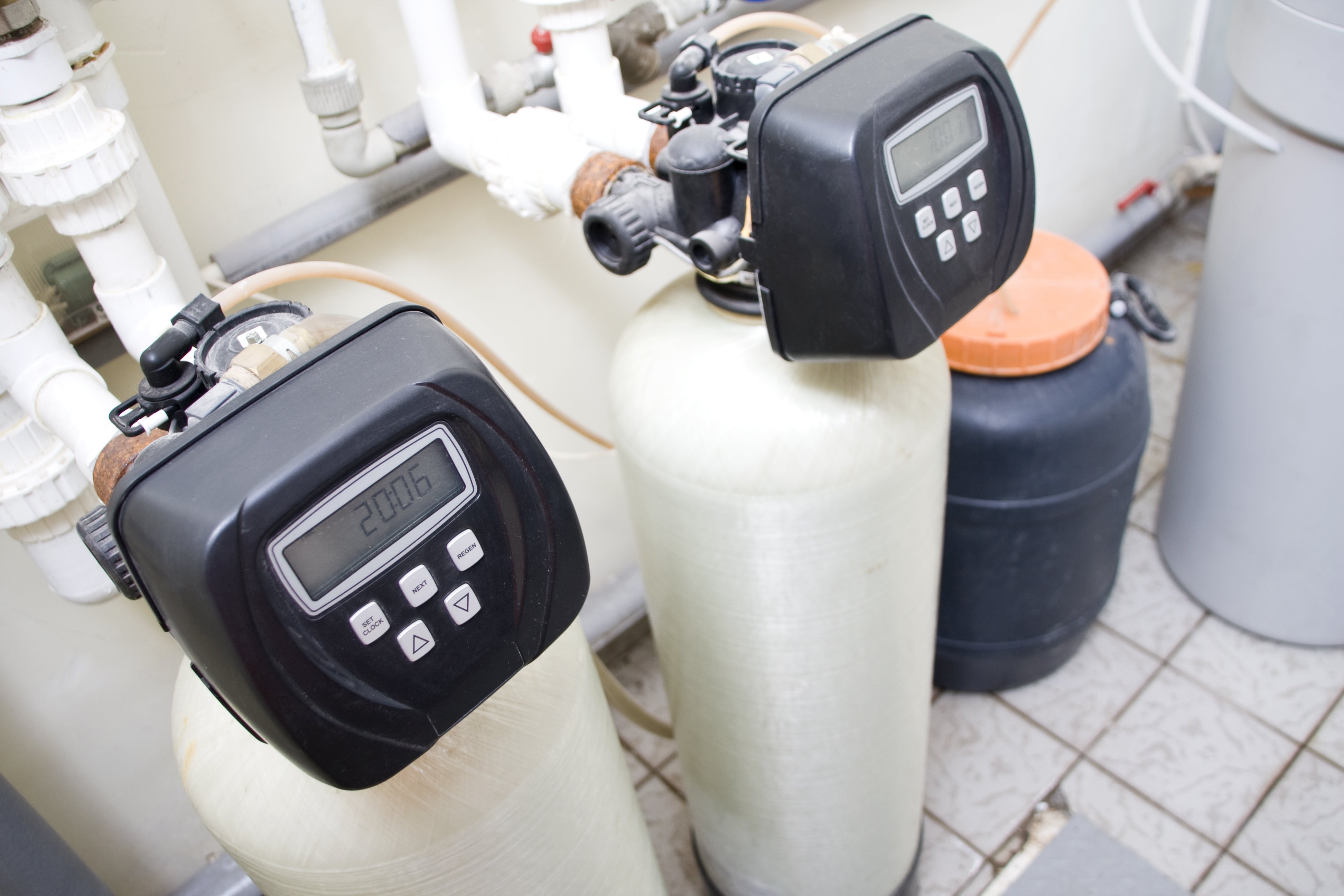
Many cities now use chloramine—a mix of chlorine and ammonia—to disinfect drinking water. While it lasts longer than chlorine, it’s harder to remove and can irritate skin, eyes, and lungs. Chloramine may also cause lead to leach from older pipes. For homeowners, it can damage reverse osmosis membranes, shorten carbon filter life, and degrade water softener resin. To protect your health and systems, install a catalytic carbon pre-filter and replace filters regularly. Though chloramine keeps water safe from bacteria, it’s harsh on people and plumbing—making proper filtration essential for long-term clean, healthy water.
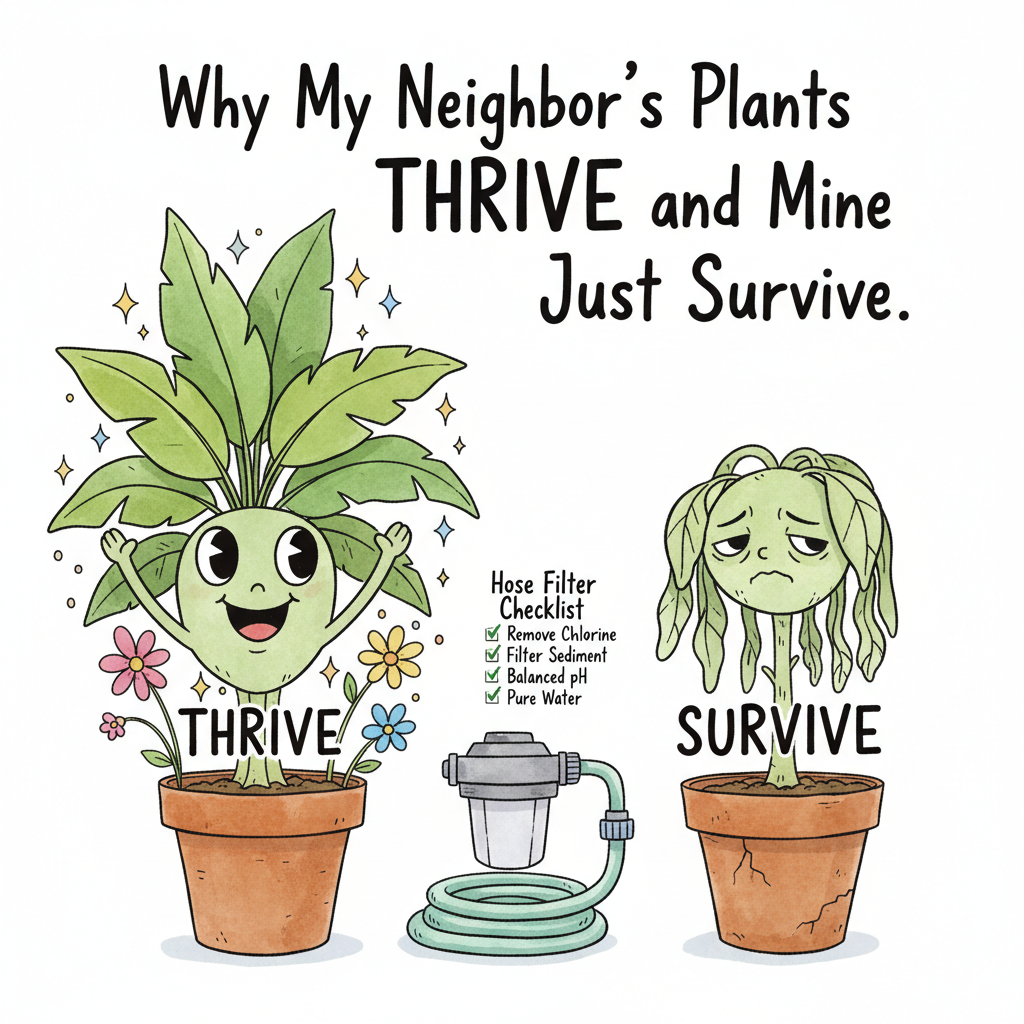
Why My Neighbor’s Plants Thrive and Mine Just Survive
Your neighbor’s plants thrive while yours just survive? In desert climates, water quality and minerals can matter as much as sunlight. This post explains how hard water scale can crust soil and pots, and how disinfectant smell can make watering feel “off.” Try a hose filter for garden watering, use a watering can, and test your water so you know what you’re working with. For indoor plants, let water reach room temp and avoid over-soaping pots. Small changes add up. Want a home plan that helps people and plants? Take the Water Health Check, then book a Water Health Consult.