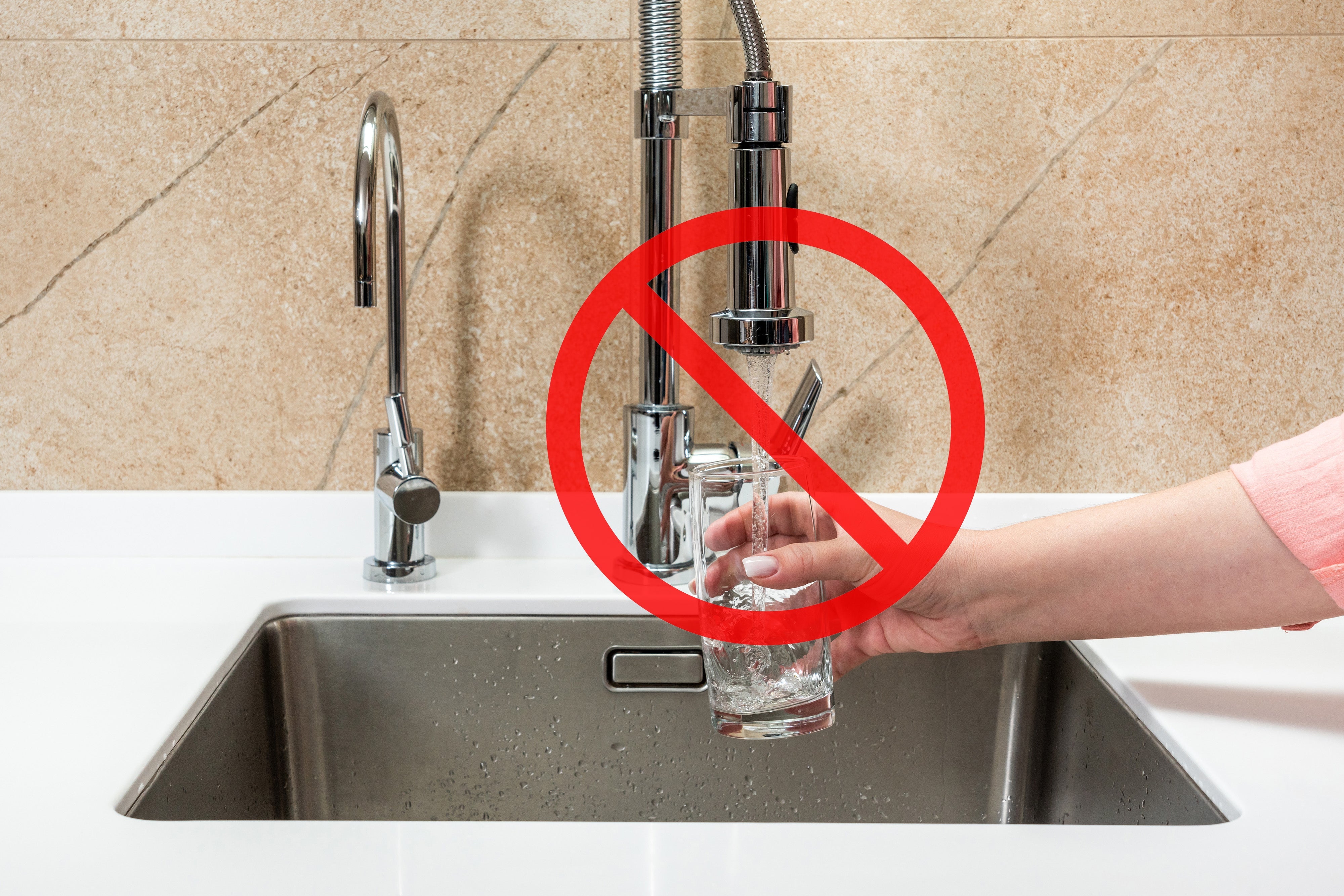
The Hidden Challenge in Your Water: How Chloramine Impacts Health and Home Filtration Systems
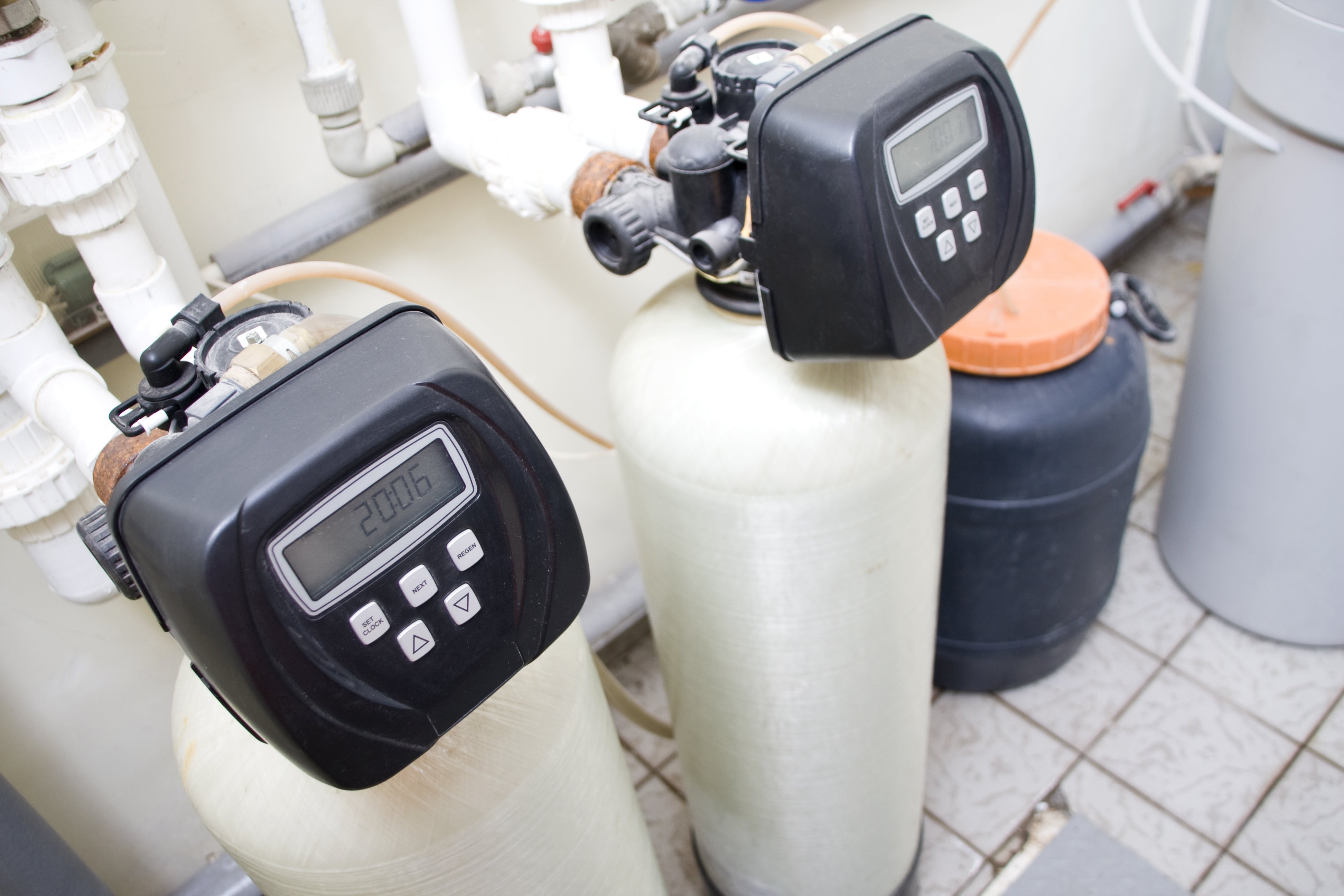
The Hidden Challenge in Your Water: How Chloramine Impacts Health and Home Filtration Systems
Many cities now use chloramine—a mix of chlorine and ammonia—to disinfect drinking water. While it lasts longer than chlorine, it’s harder to remove and can irritate skin, eyes, and lungs. Chloramine may also cause lead to leach from older pipes. For homeowners, it can damage reverse osmosis membranes, shorten carbon filter life, and degrade water softener resin. To protect your health and systems, install a catalytic carbon pre-filter and replace filters regularly. Though chloramine keeps water safe from bacteria, it’s harsh on people and plumbing—making proper filtration essential for long-term clean, healthy water.

How Clean Drinking and Cooking Water Can Make You Happier

Short and Long Term Effects of Good Water
Water is the foundation of life. We drink it, cook with it, and bathe in it daily. But have you ever stopped to think about the quality of the water running through your home?

Transform Your Water, Transform Your Life
Everyone deserves access to clean, safe, and refreshing water. With the right solutions, the concerns about tap water quality can be a thing of the past. Here's the good news: there are cost effective ways to protect your health and ensure the water you drink and use is healthy, and free from harmful contaminants.
Healthier Life Starts with Good Clean Water
Reverse Osmosis vs. Plastic Bottled Water