
The Hidden Challenge in Your Water: How Chloramine Impacts Health and Home Filtration Systems
The Hidden Challenge in Your Water: How Chloramine Impacts Health and Home Filtration Systems
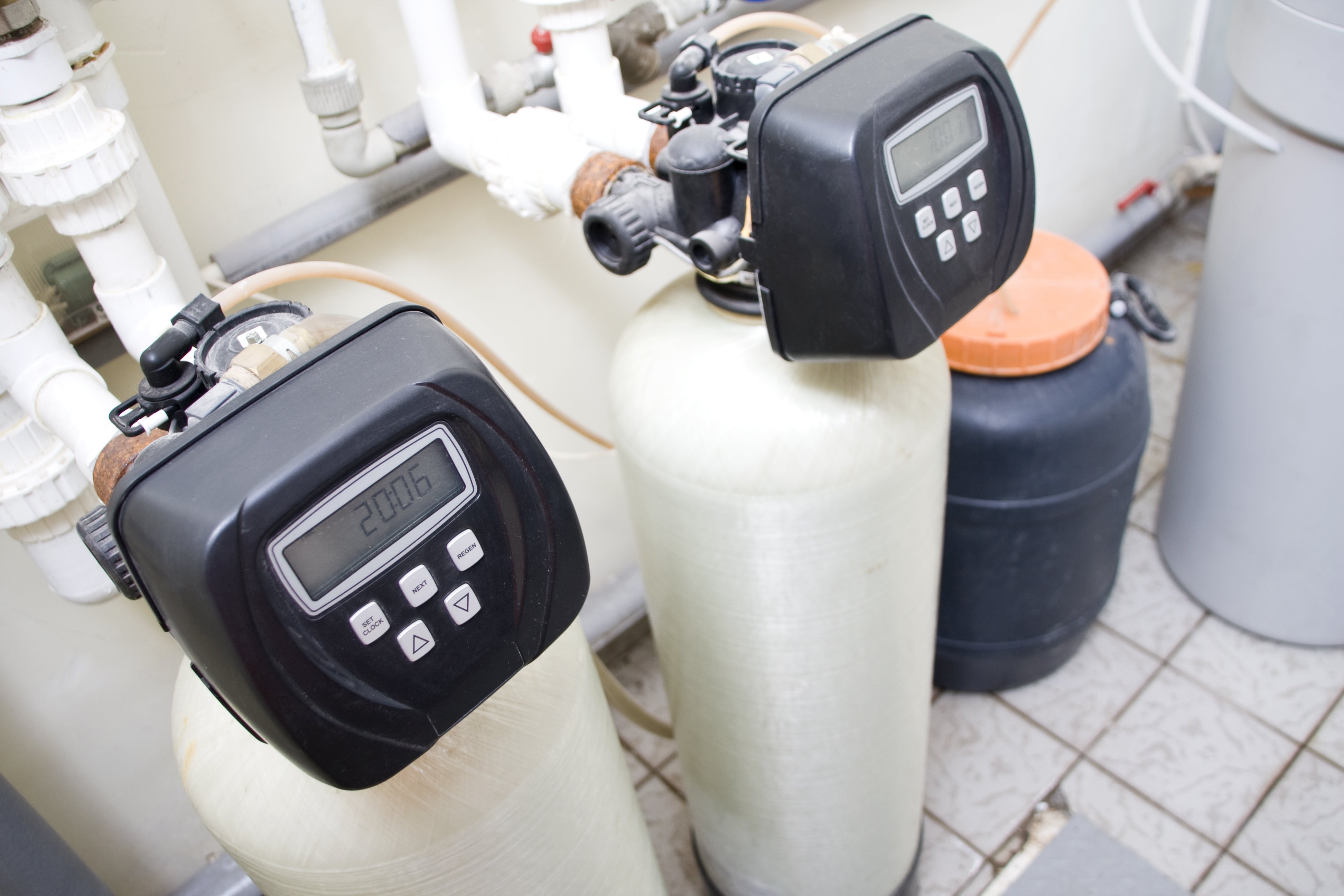
Many cities now use chloramine—a mix of chlorine and ammonia—to disinfect drinking water. While it lasts longer than chlorine, it’s harder to remove and can irritate skin, eyes, and lungs. Chloramine may also cause lead to leach from older pipes. For homeowners, it can damage reverse osmosis membranes, shorten carbon filter life, and degrade water softener resin. To protect your health and systems, install a catalytic carbon pre-filter and replace filters regularly. Though chloramine keeps water safe from bacteria, it’s harsh on people and plumbing—making proper filtration essential for long-term clean, healthy water.
The “I’m Embarrassed to Ask This” Questions (We’ve All Asked)
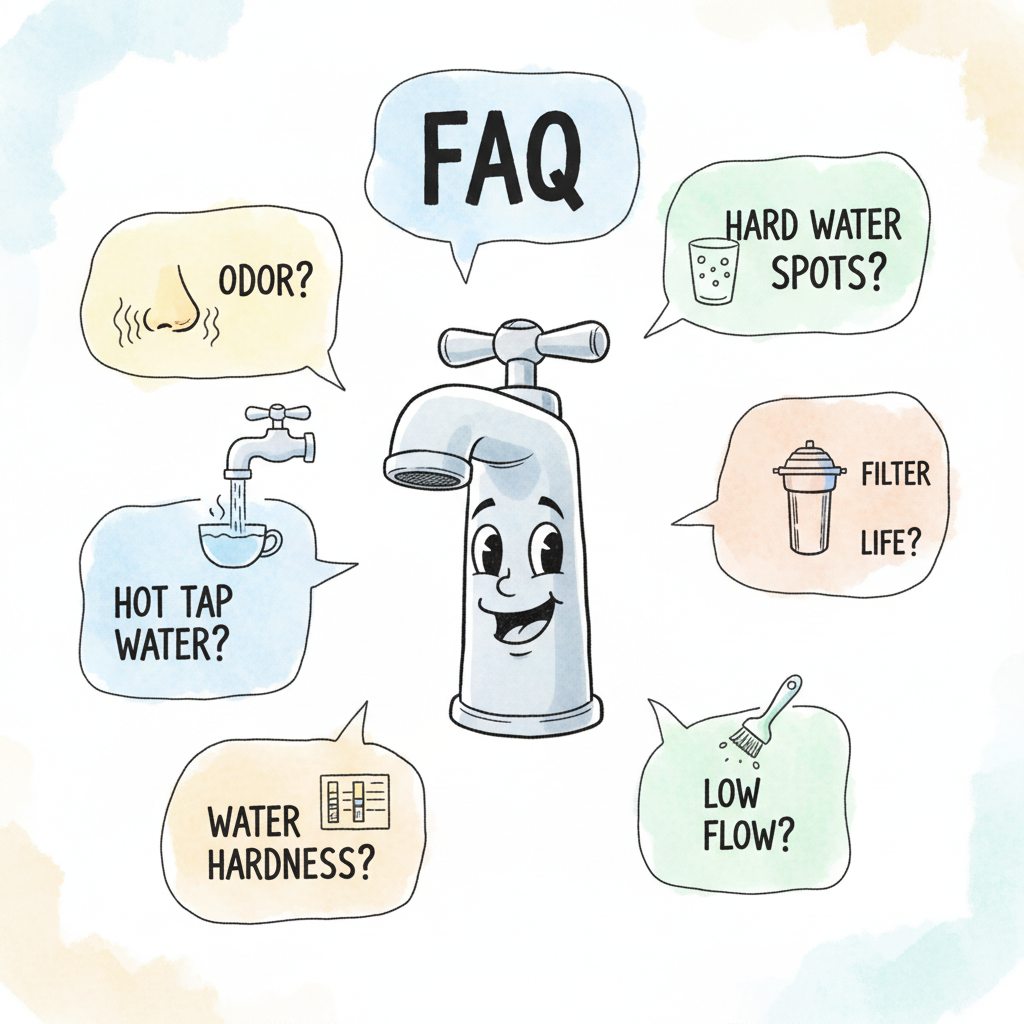
The “I’m embarrassed to ask this” water questions are the ones we hear most: “Is it normal for my shower to smell like a pool?” “Why are my dishes spotty?” “Can I drink hot tap water?” This post answers them in plain English, with next steps: clean the aerator, test hardness, start with a pitcher or countertop filter, and consider under-sink for drinking water. We’ll add comfort wins like filtered ice and a shower filter experiment, plus a reminder system so you don’t forget cartridges. Take the Water Health Check, then book a Water Health Consult for your home.
Lancaster Love, Chlorine Not So Much
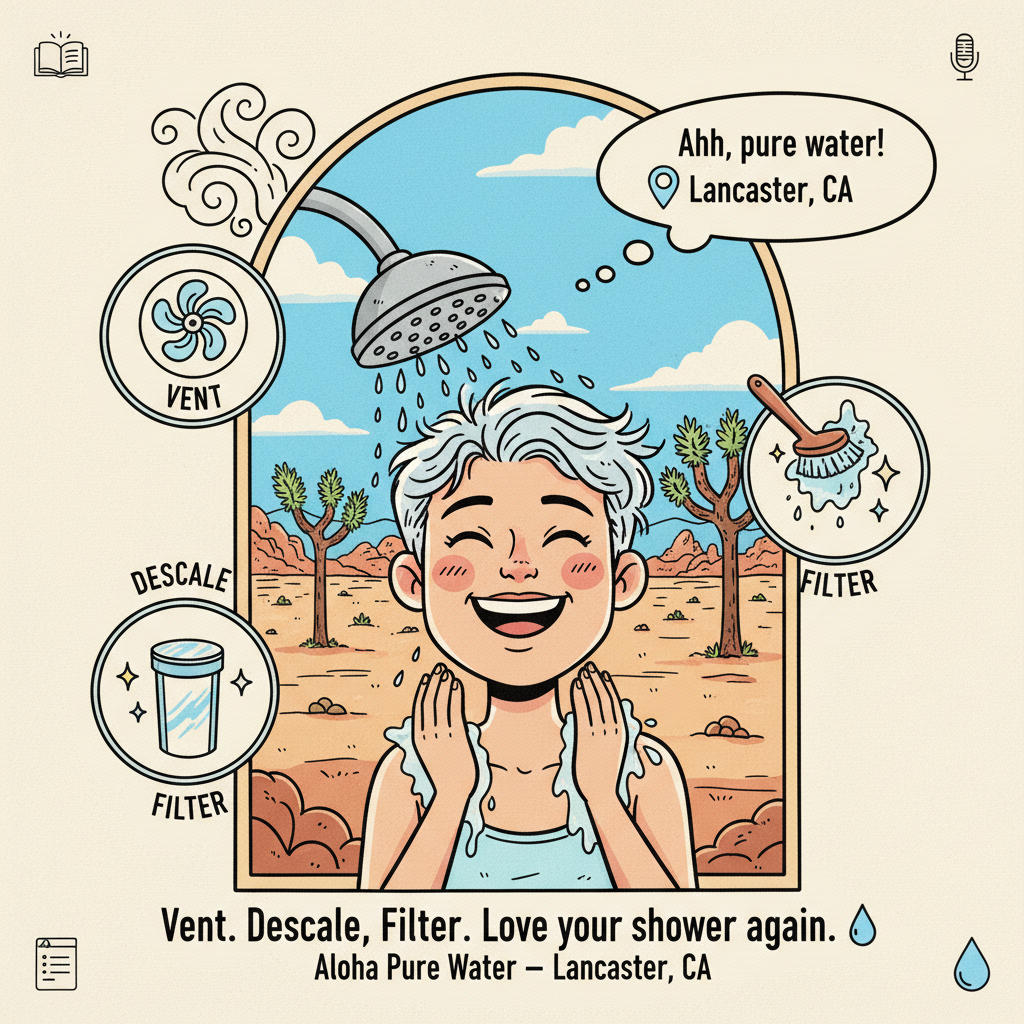
Lancaster love is real. Chlorine smell in the shower? Also real. City water can meet guidelines and still feel harsh in hot steam, especially in desert homes with hard-water minerals. This post keeps it practical: vent the bathroom, descale the shower head, try a shower filter for comfort, and upgrade kitchen drinking water with a pitcher/countertop or under-sink system. If you want clarity, compare your local water report with a simple home test kit. Protect your family’s wellbeing through ingestion, inhalation, and absorption—without panic-Googling at midnight. Take the Water Health Check, then book a Water Health Consult today, locally.

When the Shower Head Attacks (Pressure vs Quality)
When the shower head attacks, it’s usually two problems pretending to be one: pressure and water quality. Low pressure often comes from scale clogging nozzles, and high pressure can turn chlorine/chloramine smell into a full-contact sport. This post shows the fix: descale the head, switch to a handheld shower head, and add a shower filter for comfort. If your hair and skin feel worse after “power rinsing,” finish with a gentler, cooler rinse and moisturize right away. Want the right setup for your home (and your budget)? Take the Water Health Check, then book a Water Health Consult today.