
The Hidden Challenge in Your Water: How Chloramine Impacts Health and Home Filtration Systems
The Hidden Challenge in Your Water: How Chloramine Impacts Health and Home Filtration Systems
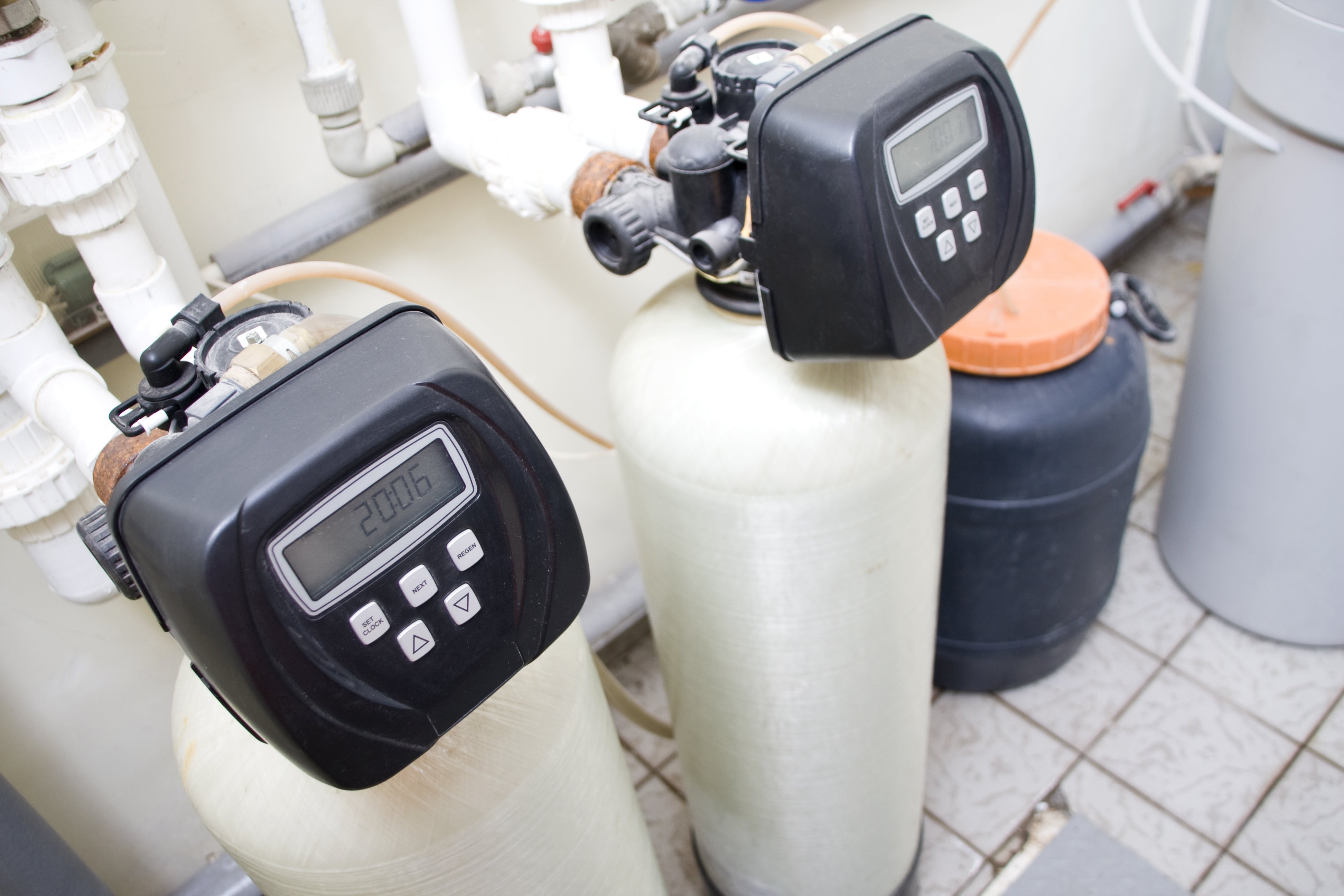
Many cities now use chloramine—a mix of chlorine and ammonia—to disinfect drinking water. While it lasts longer than chlorine, it’s harder to remove and can irritate skin, eyes, and lungs. Chloramine may also cause lead to leach from older pipes. For homeowners, it can damage reverse osmosis membranes, shorten carbon filter life, and degrade water softener resin. To protect your health and systems, install a catalytic carbon pre-filter and replace filters regularly. Though chloramine keeps water safe from bacteria, it’s harsh on people and plumbing—making proper filtration essential for long-term clean, healthy water.
Purely Imperfect: Why Progress Beats Perfection
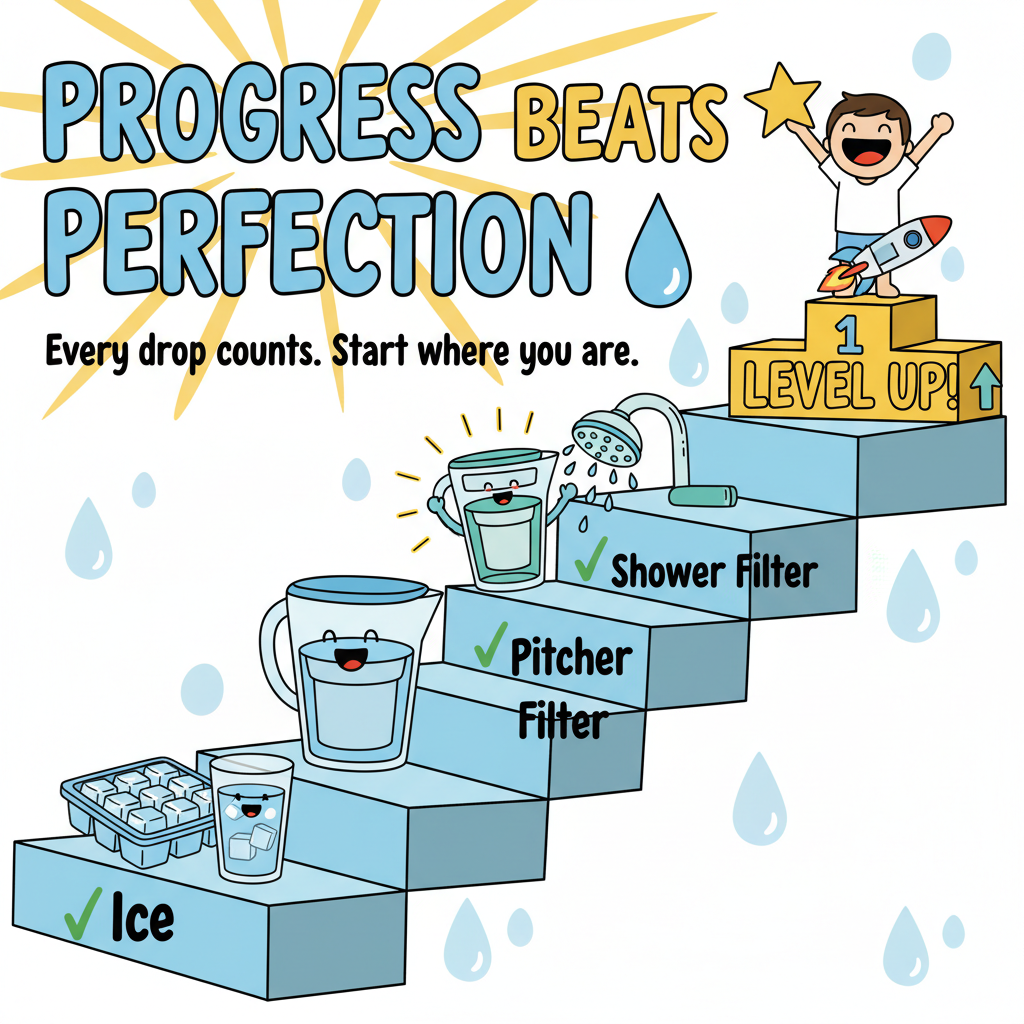
Purely imperfect progress beats perfection every time. If you’re waiting to “do water right,” you’ll do nothing. This post gives a low-pressure plan: pick one habit you can keep—filtered ice, a pitcher filter, or a shower filter—and run it for 30 days. Then stack the next step: countertop, under-sink, or whole-home, based on what you notice. You’ll learn how to measure wins (taste, spots, scale, comfort) without obsessing, and how to set reminders so maintenance stays easy. Start with the Water Health Check, then book a Water Health Consult for a simple, customized roadmap for your family budget.