
The Hidden Challenge in Your Water: How Chloramine Impacts Health and Home Filtration Systems
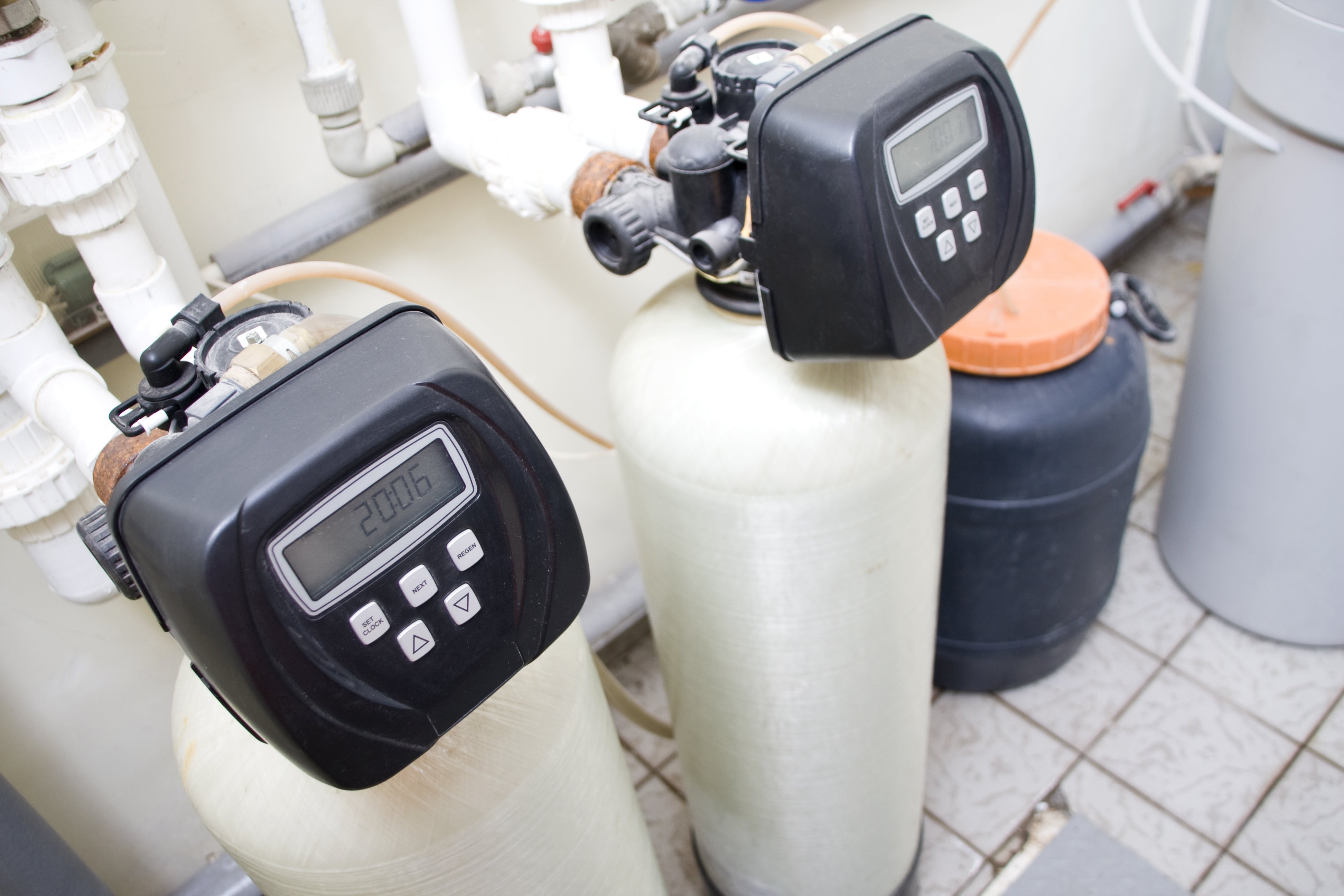
The Hidden Challenge in Your Water: How Chloramine Impacts Health and Home Filtration Systems
Many cities now use chloramine—a mix of chlorine and ammonia—to disinfect drinking water. While it lasts longer than chlorine, it’s harder to remove and can irritate skin, eyes, and lungs. Chloramine may also cause lead to leach from older pipes. For homeowners, it can damage reverse osmosis membranes, shorten carbon filter life, and degrade water softener resin. To protect your health and systems, install a catalytic carbon pre-filter and replace filters regularly. Though chloramine keeps water safe from bacteria, it’s harsh on people and plumbing—making proper filtration essential for long-term clean, healthy water.

The Upgrade Buyers Don’t See (But Absolutely Feel)
Some upgrades show in photos; water upgrades show up in daily life. Better-tasting drinking water, cleaner ice, softer showers, and less scale make a home feel cared for—even if buyers can’t name why. This post explains the “invisible ROI”: fewer appliance repairs, better coffee and cooking, and a calmer routine for kids and guests. Start with an under-sink kitchen system for maximum daily impact, then plan whole-home treatment if hardness is chewing up heaters and fixtures. Take the Water Health Check, then book a Water Health Consult to build a smart upgrade plan that fits your timeline and budget.
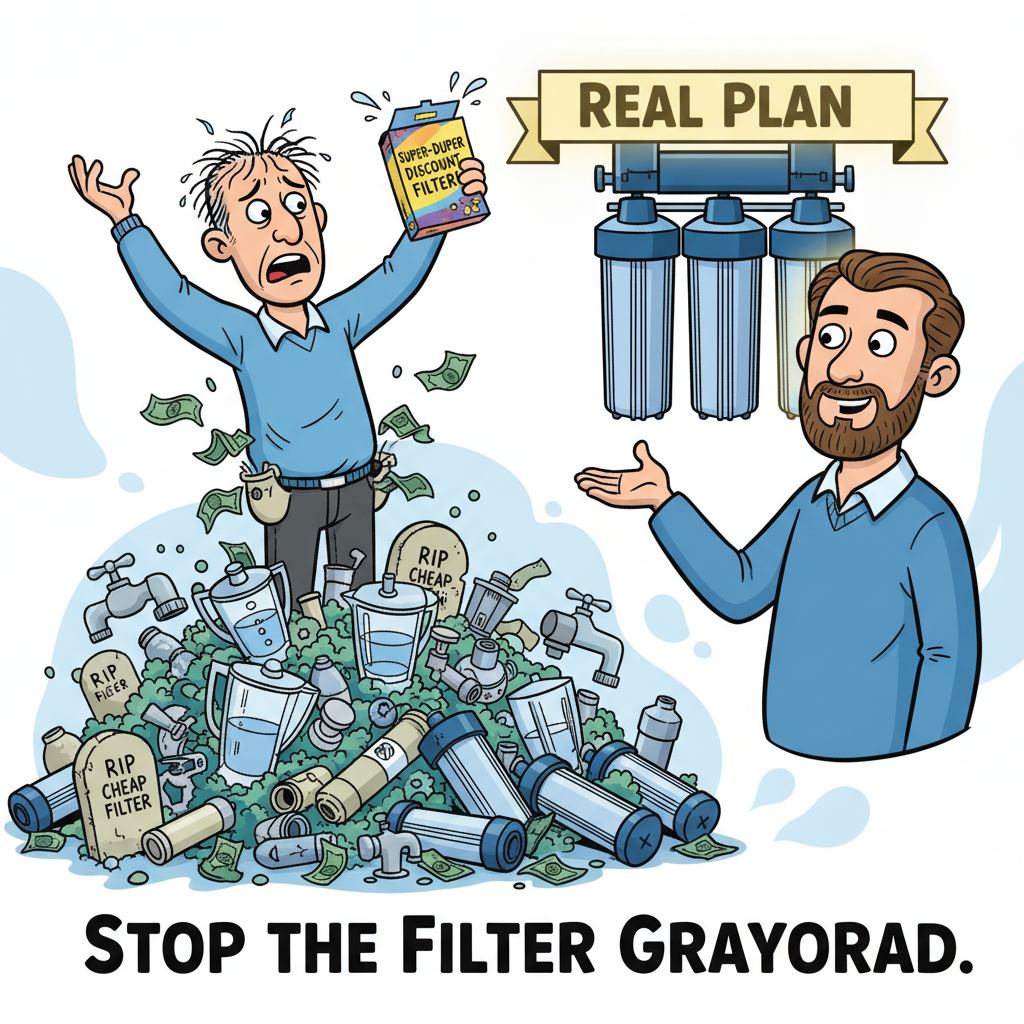
Cheap Filter vs Real Plan: Why “Random” Gets Expensive
Random filters feel cheap until you own a “filter graveyard” under the sink: three devices, two unused cartridges, and zero confidence. This post explains why mismatch costs more—buying taste filters for hardness problems, forgetting replacements, and chasing symptoms instead of a plan. You’ll get the ROI workflow: do a basic test, pick one reliable system (pitcher/countertop/under-sink), set a reminder, and track results for seven days with filtered ice. Spend once, not repeatedly. Take the Water Health Check, then book a Water Health Consult to match the right solution to your home and budget from day one.

The Day a Customer Brought Us Brown Water in a Jar
One day a customer walked in with brown water in a jar. Funny? A little. Helpful? Absolutely—because it made the problem visible. This post explains what brown water can mean (sediment, disturbed lines, plumbing issues), the first safe steps (flush, check aerators, document), and when to test. We’ll show the practical upgrade path: a sediment prefilter, a kitchen drinking-water filter, and—if needed—a whole-home plan that protects appliances. You’ll also get a simple checklist of USA-made accessories to keep maintenance easy. Take the Water Health Check, then book a Water Health Consult for your home today.
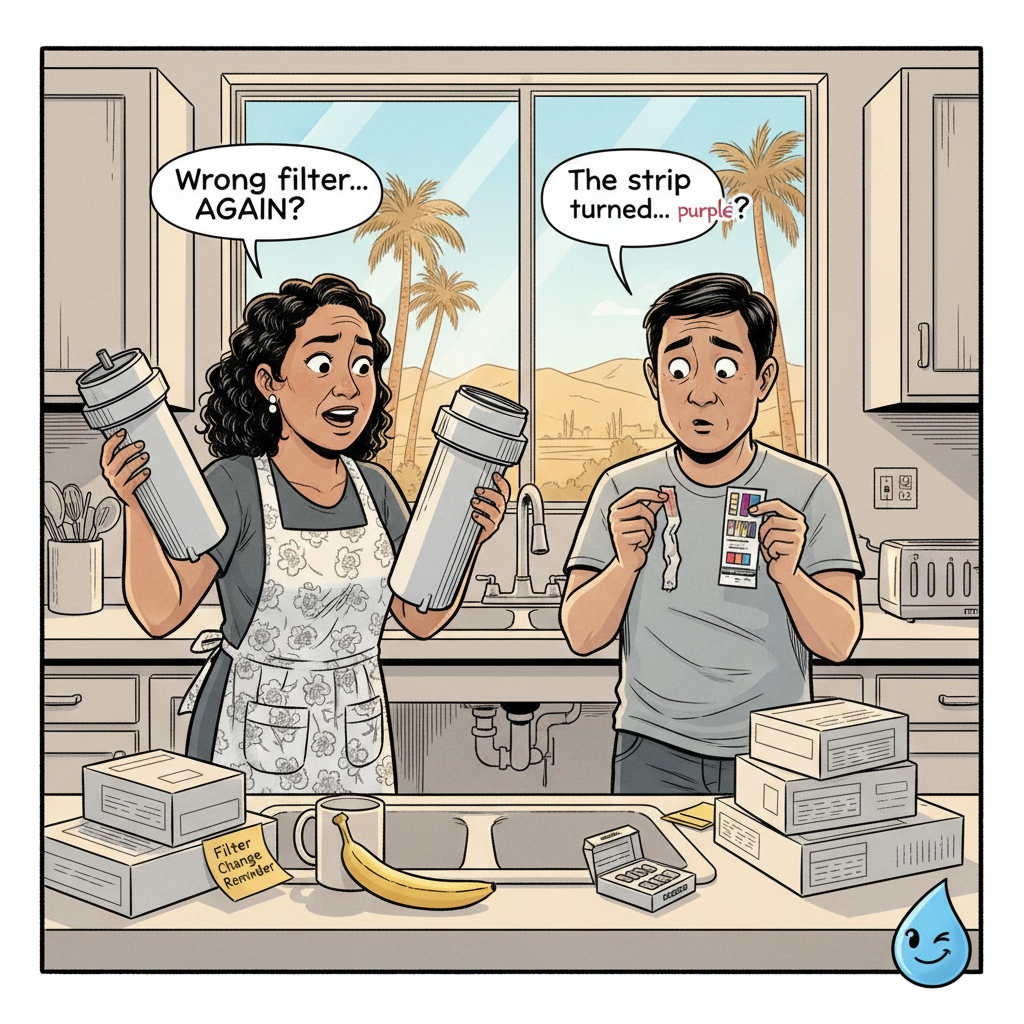
Water Mistakes I See Every Week in the Shop
Every week in the shop, I see the same water mistakes: buying random filters without testing, forgetting cartridge changes, and trying to “fix taste” with bottled water. This post gives the checklist: start with a simple test kit, match the right filter to the problem (taste, odor, hardness, sediment), and set a change reminder. We’ll cover the fastest wins—filtered ice, a shower filter, and a kitchen pitcher or countertop unit—plus when under-sink or whole-home makes more sense. Take the Water Health Check, then book a Water Health Consult so you get it right the first time.
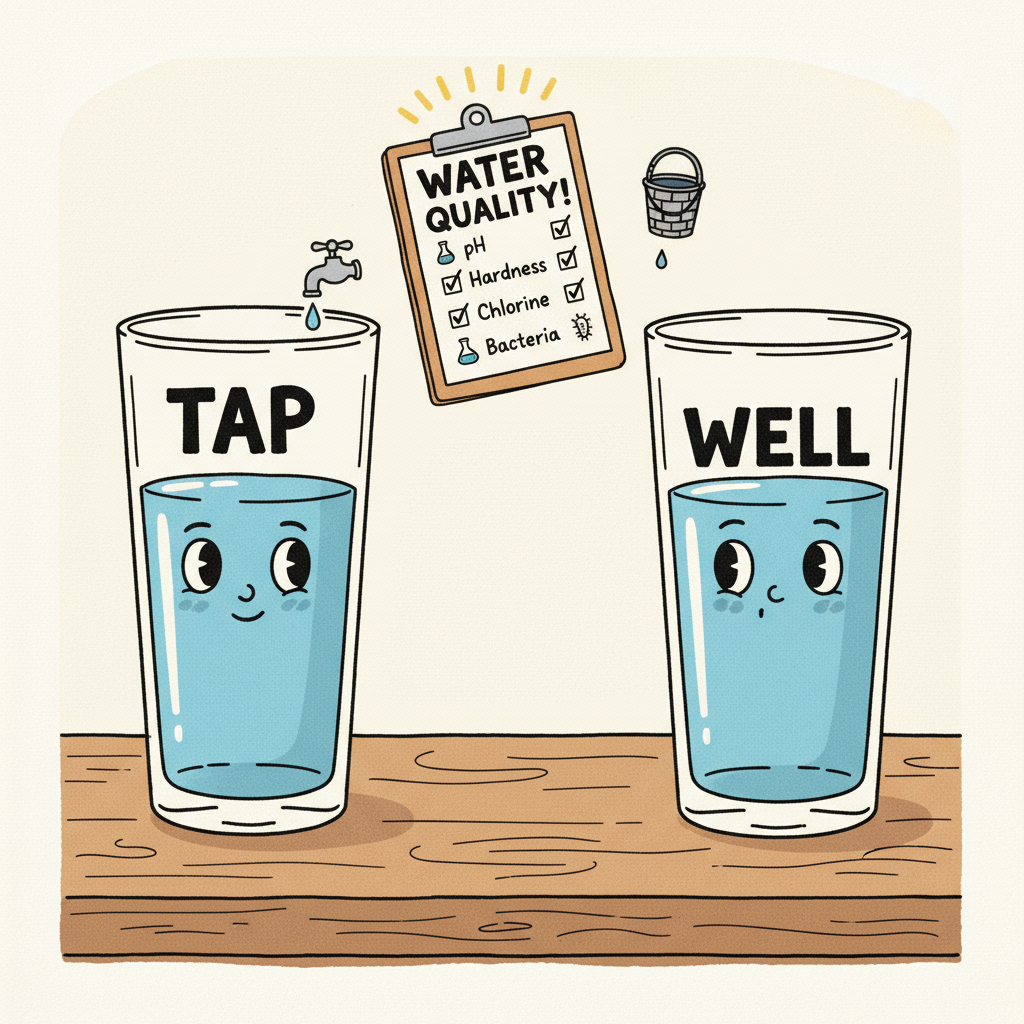
Lancaster Tap Water vs My Auntie’s Well Water
Lancaster tap water and Auntie’s well water can taste worlds apart. City water is treated with disinfectants; well water varies by minerals and plumbing. This post explains the difference, when to test, and easy upgrades: a pitcher or countertop filter for cooking and baby bottles, an under-sink system for drinking water, and shower comfort options. If you’re on a well, a professional test is smart before buying equipment. If you’re on city water, start with your local report plus a simple home test kit. Take the Water Health Check, then book a Water Health Consult for a plan that fits.
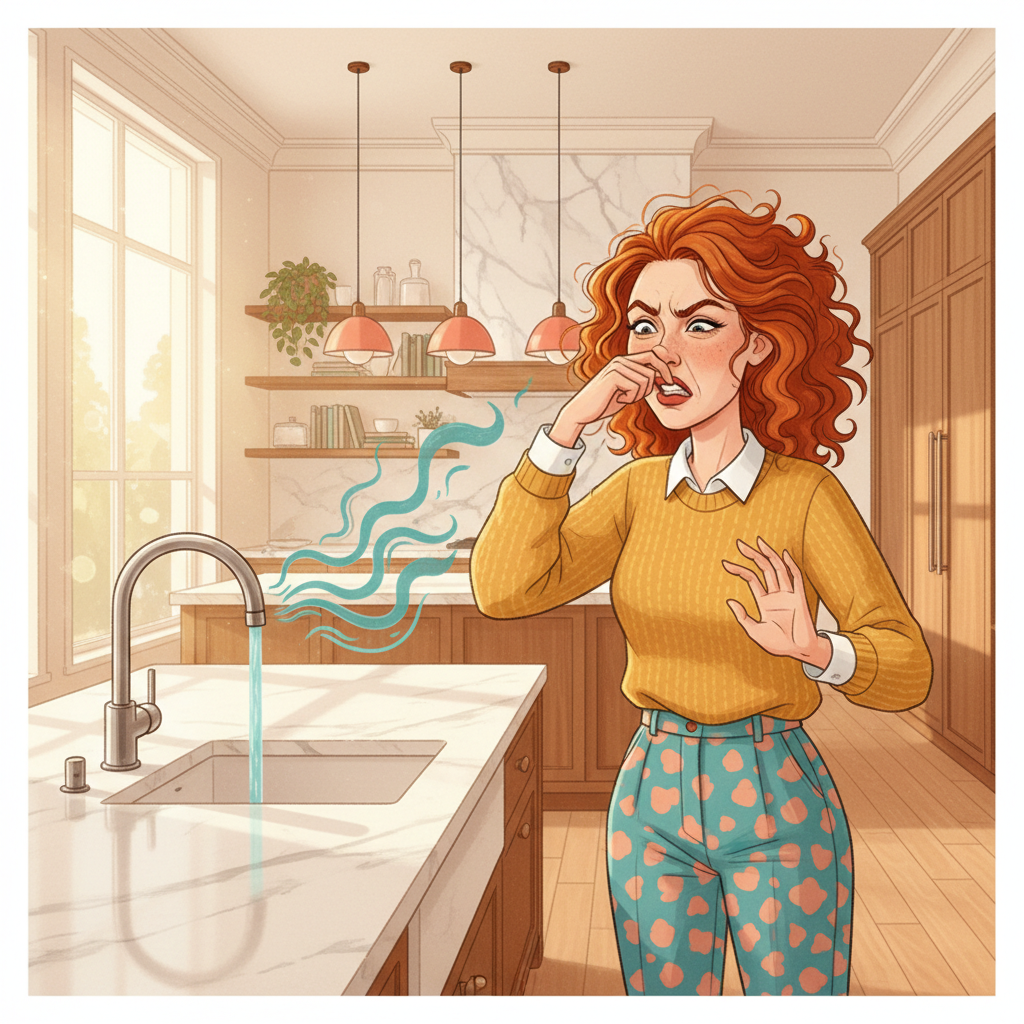
The Smell That Comes Out When You Run the Tap
That smell when you run the tap is a clue. First-draw water can pick up odors from plumbing, aerators, or disinfectants like chlorine/chloramine. This post keeps it practical: run water 30–60 seconds, clean the faucet aerator, and flush the cold line before filling bottles. If the smell is “rotten egg,” metallic, or persistent, use a home water test kit and review your local water report. A countertop or under-sink filter can improve taste fast. Stop guessing every sip for your family today. Take the Water Health Check, then book a Water Health Consult for next steps.