
The Hidden Challenge in Your Water: How Chloramine Impacts Health and Home Filtration Systems
The Hidden Challenge in Your Water: How Chloramine Impacts Health and Home Filtration Systems
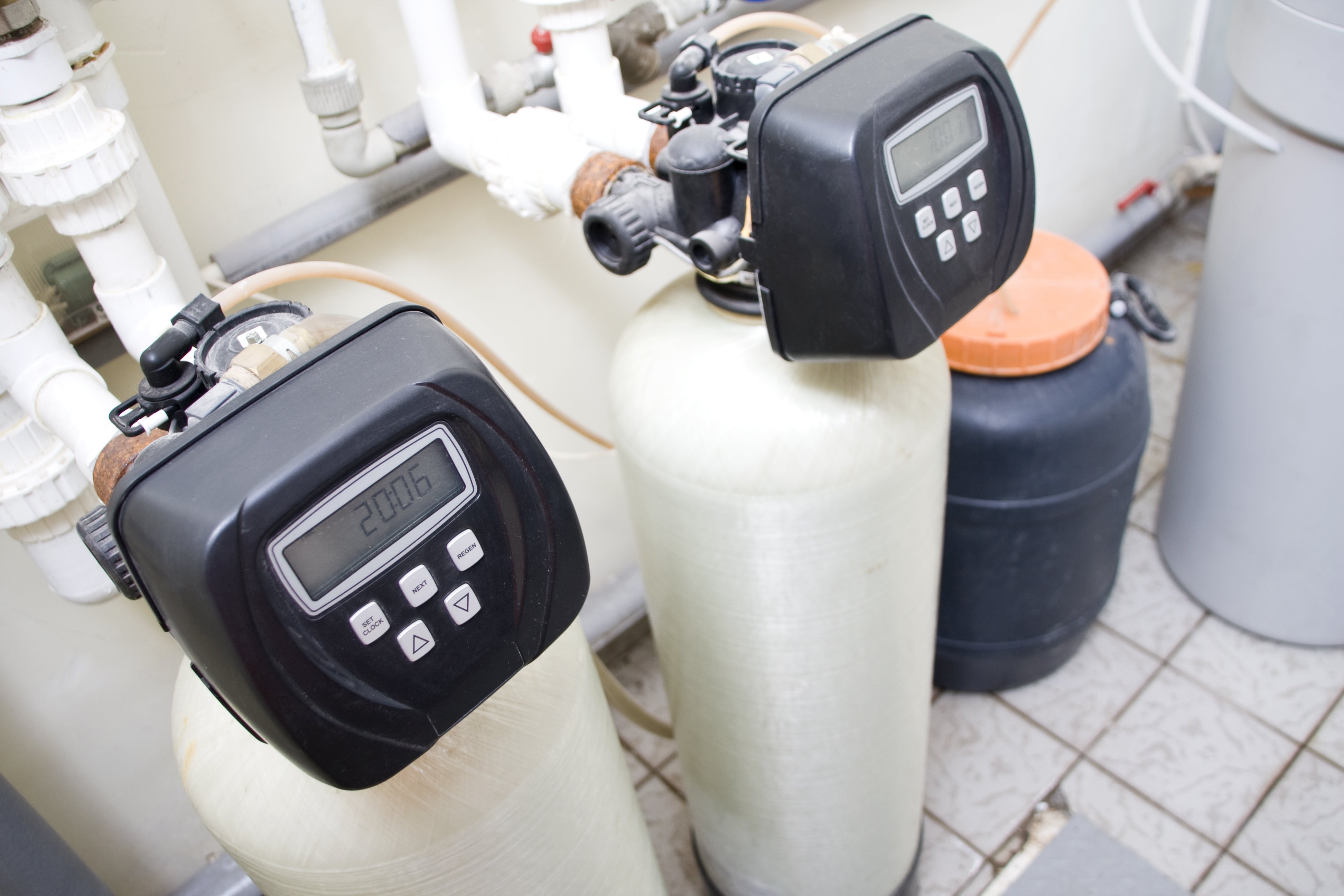
Many cities now use chloramine—a mix of chlorine and ammonia—to disinfect drinking water. While it lasts longer than chlorine, it’s harder to remove and can irritate skin, eyes, and lungs. Chloramine may also cause lead to leach from older pipes. For homeowners, it can damage reverse osmosis membranes, shorten carbon filter life, and degrade water softener resin. To protect your health and systems, install a catalytic carbon pre-filter and replace filters regularly. Though chloramine keeps water safe from bacteria, it’s harsh on people and plumbing—making proper filtration essential for long-term clean, healthy water.

The “Quick Rinse” After the Beach That Turned Into a Shower Conference
The “quick rinse” after the beach turned into a shower conference? Sun + salt + sand can make skin extra reactive, and hot steam can amplify chlorine smell. This post gives a calm reset: rinse lukewarm first, use a gentle cleanser, and moisturize while skin is still slightly damp. Try a shower filter if steam smells pool-ish, and keep a clean microfiber towel for face and hair. Use filtered water for face rinsing and ice so your routine feels smoother, so you feel refreshed, not irritated. Start small, stay consistent. Take the Water Health Check, then book a Water Health Consult now.