
The Hidden Challenge in Your Water: How Chloramine Impacts Health and Home Filtration Systems
The Hidden Challenge in Your Water: How Chloramine Impacts Health and Home Filtration Systems
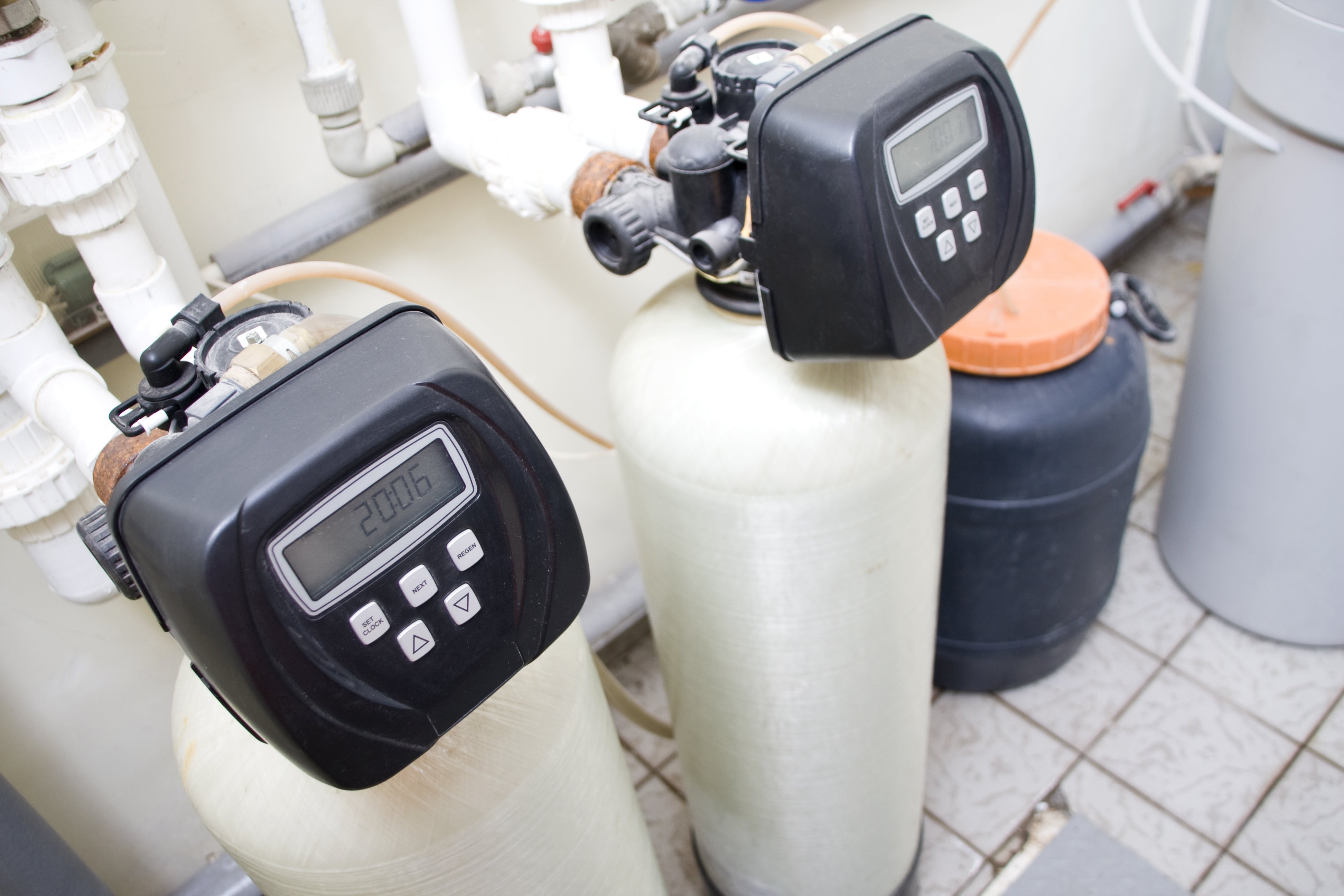
Many cities now use chloramine—a mix of chlorine and ammonia—to disinfect drinking water. While it lasts longer than chlorine, it’s harder to remove and can irritate skin, eyes, and lungs. Chloramine may also cause lead to leach from older pipes. For homeowners, it can damage reverse osmosis membranes, shorten carbon filter life, and degrade water softener resin. To protect your health and systems, install a catalytic carbon pre-filter and replace filters regularly. Though chloramine keeps water safe from bacteria, it’s harsh on people and plumbing—making proper filtration essential for long-term clean, healthy water.
The Mysterious Case of the Fading Black T-Shirt
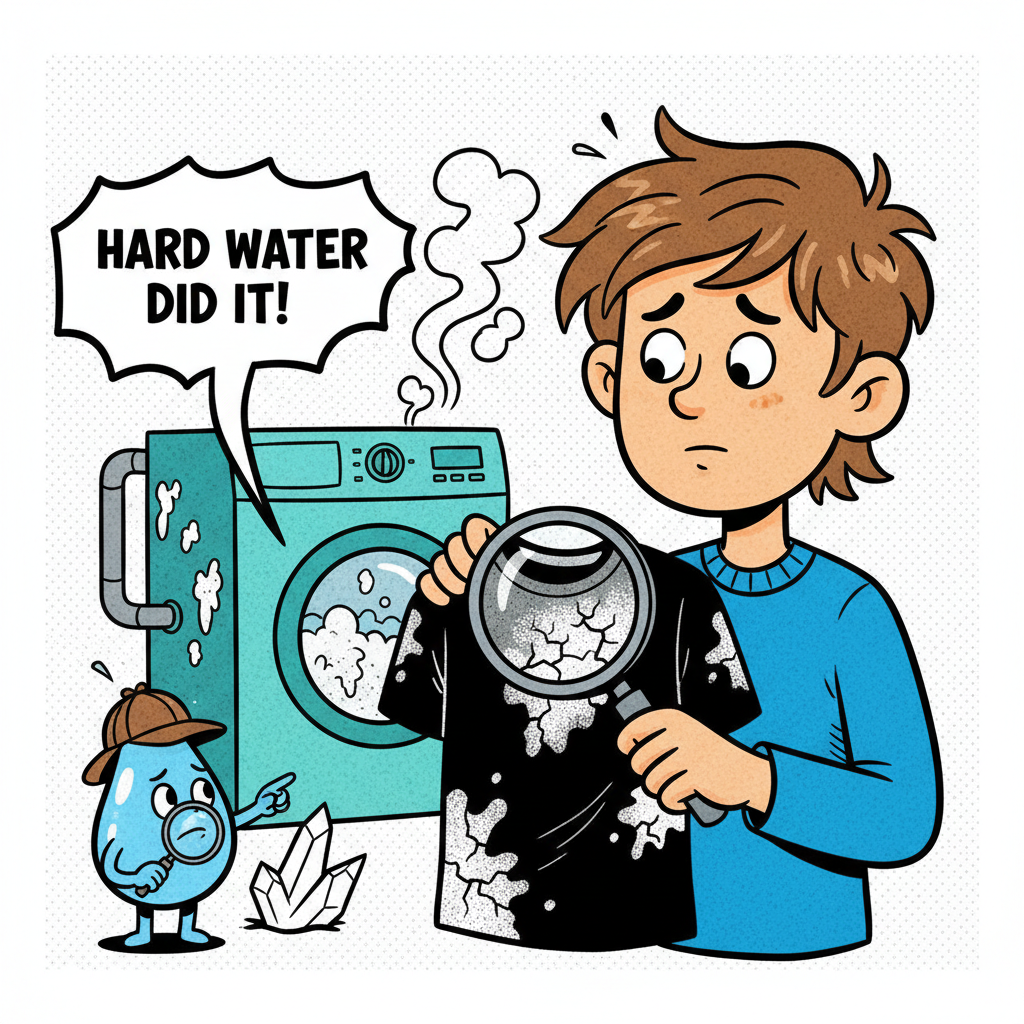
If your black T-shirt fades fast, it’s not just “cheap fabric.” Heat, overdrying, and hard water minerals can rough up fibers and leave residue that makes dark colors look dusty. This post gives easy wins: wash cold, turn darks inside out, use a darks-friendly detergent, and skip dryer sheets for wool dryer balls. Add a laundry booster made for hard water if you see buildup. If your washer has scale, run a cleaner tablet cycle monthly. Want a long-term fix? Treat hardness at the source. Take the Water Health Check, then book a Water Health Consult for your home today.