
The Hidden Challenge in Your Water: How Chloramine Impacts Health and Home Filtration Systems
The Hidden Challenge in Your Water: How Chloramine Impacts Health and Home Filtration Systems
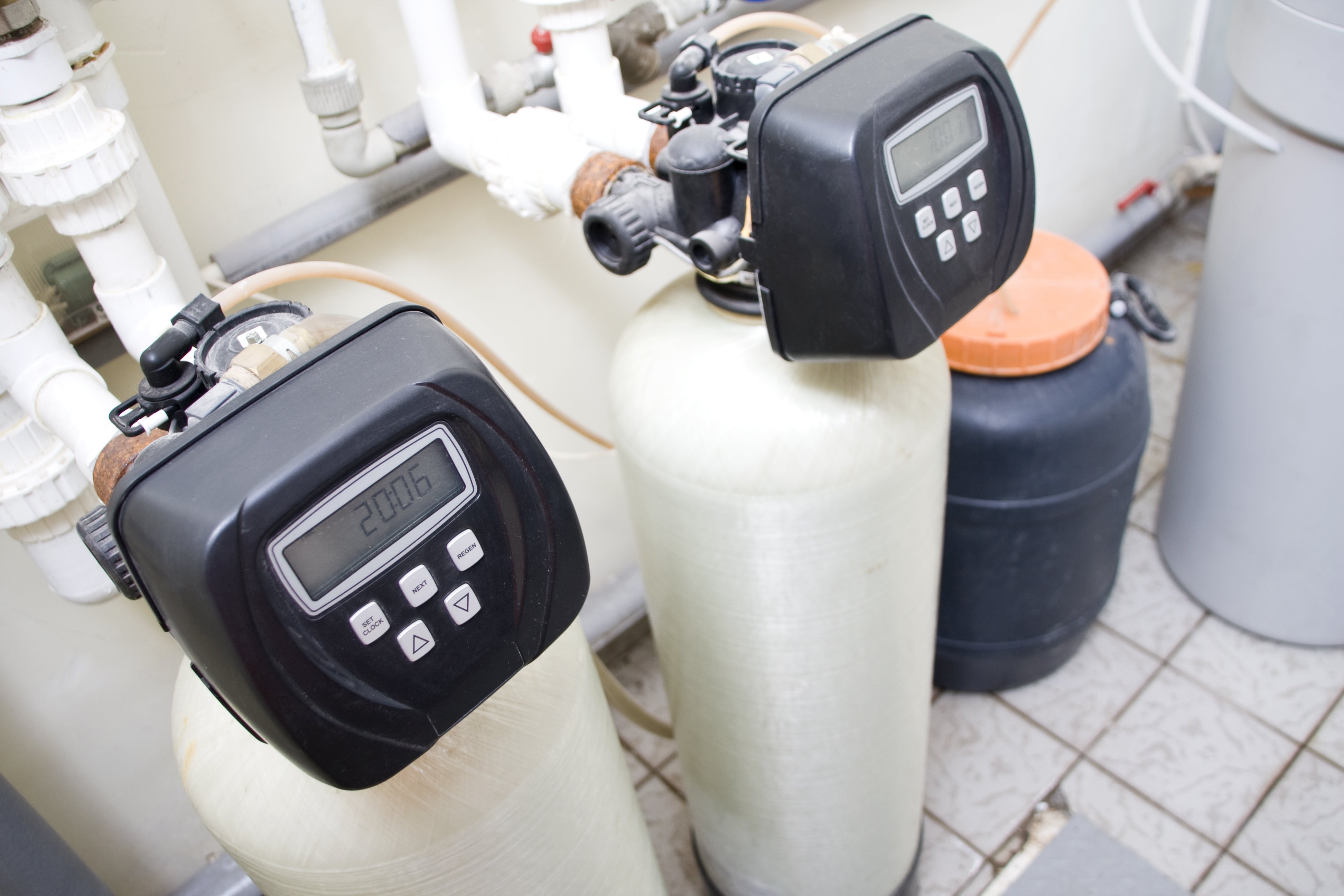
Many cities now use chloramine—a mix of chlorine and ammonia—to disinfect drinking water. While it lasts longer than chlorine, it’s harder to remove and can irritate skin, eyes, and lungs. Chloramine may also cause lead to leach from older pipes. For homeowners, it can damage reverse osmosis membranes, shorten carbon filter life, and degrade water softener resin. To protect your health and systems, install a catalytic carbon pre-filter and replace filters regularly. Though chloramine keeps water safe from bacteria, it’s harsh on people and plumbing—making proper filtration essential for long-term clean, healthy water.
Auto-Ship Saves Marriages (and Weekends)
Most water systems don’t fail because they’re bad—they fail because life is busy and cartridges don’t get changed. Then taste drifts, scale returns, and the household blames the system (or each other). This post shows the adult solution: auto-ship refills or reminders that hit before performance drops. Pair it with a calendar magnet, an alert, and a five-minute swap routine. Consistency is the real ROI: fewer rewashes, fewer repairs, better tasting water every day. Take the Water Health Check, then book a Water Health Consult to set your filter schedule and pick the right level for your home.