
The Hidden Challenge in Your Water: How Chloramine Impacts Health and Home Filtration Systems
The Hidden Challenge in Your Water: How Chloramine Impacts Health and Home Filtration Systems
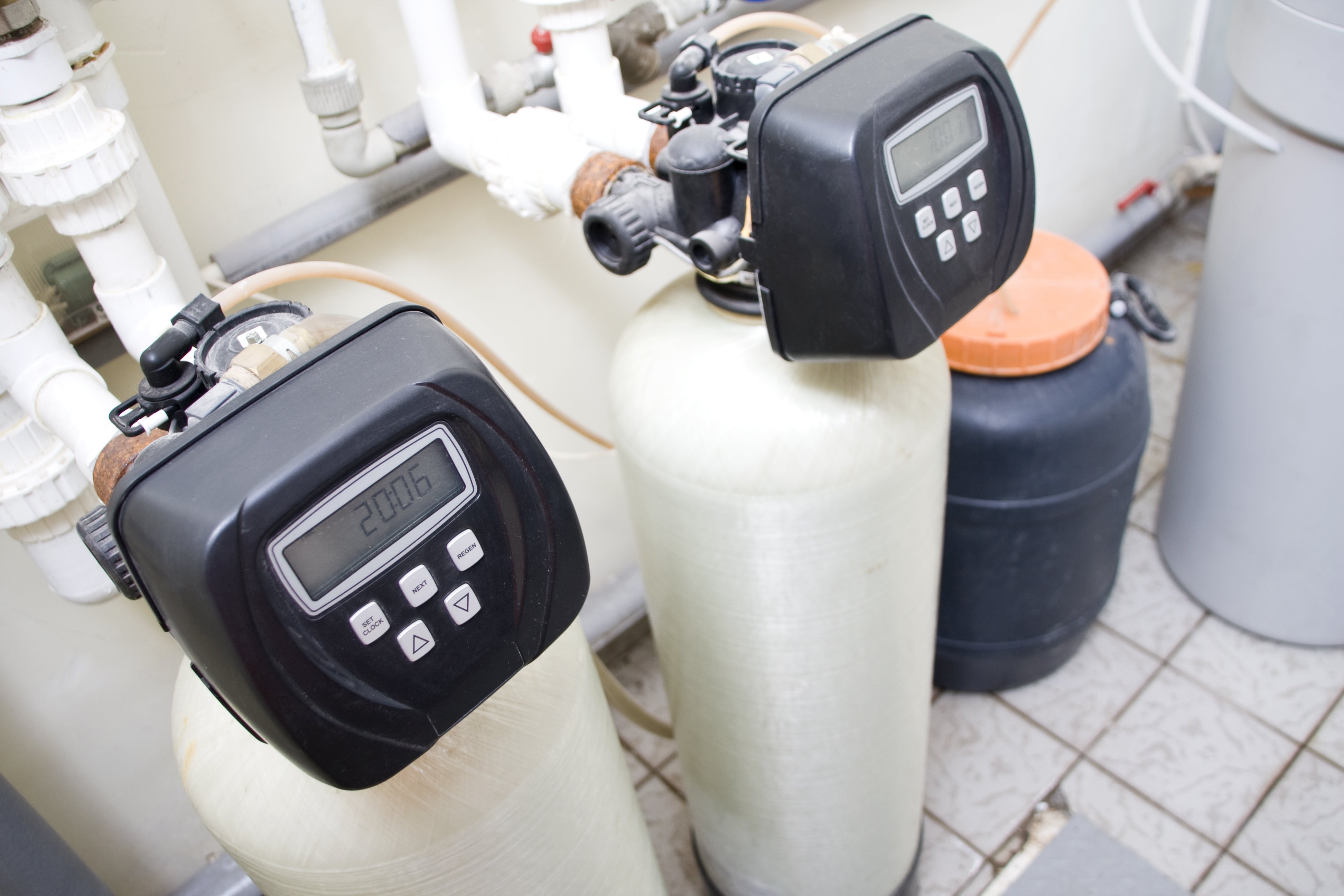
Many cities now use chloramine—a mix of chlorine and ammonia—to disinfect drinking water. While it lasts longer than chlorine, it’s harder to remove and can irritate skin, eyes, and lungs. Chloramine may also cause lead to leach from older pipes. For homeowners, it can damage reverse osmosis membranes, shorten carbon filter life, and degrade water softener resin. To protect your health and systems, install a catalytic carbon pre-filter and replace filters regularly. Though chloramine keeps water safe from bacteria, it’s harsh on people and plumbing—making proper filtration essential for long-term clean, healthy water.
The Smell That Comes Out When You Run the Tap
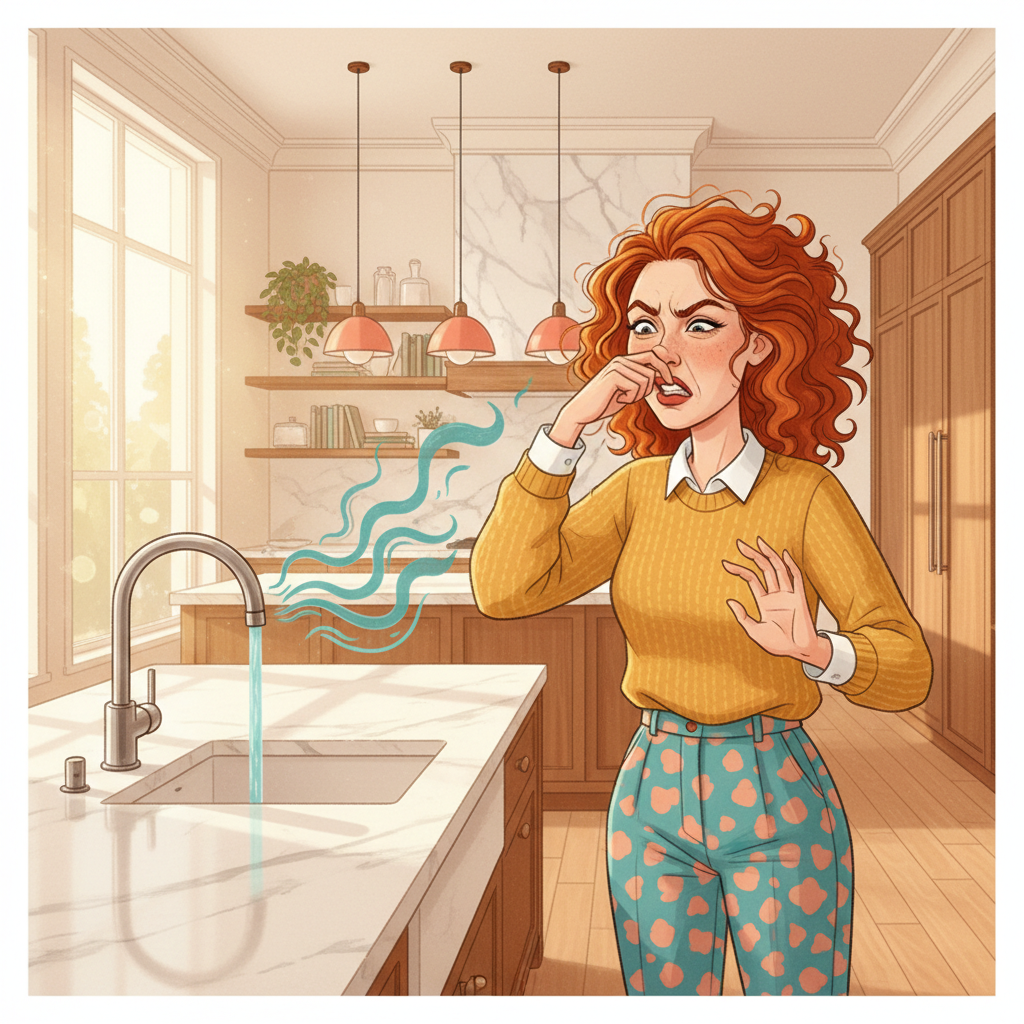
That smell when you run the tap is a clue. First-draw water can pick up odors from plumbing, aerators, or disinfectants like chlorine/chloramine. This post keeps it practical: run water 30–60 seconds, clean the faucet aerator, and flush the cold line before filling bottles. If the smell is “rotten egg,” metallic, or persistent, use a home water test kit and review your local water report. A countertop or under-sink filter can improve taste fast. Stop guessing every sip for your family today. Take the Water Health Check, then book a Water Health Consult for next steps.