
The Hidden Challenge in Your Water: How Chloramine Impacts Health and Home Filtration Systems
The Hidden Challenge in Your Water: How Chloramine Impacts Health and Home Filtration Systems
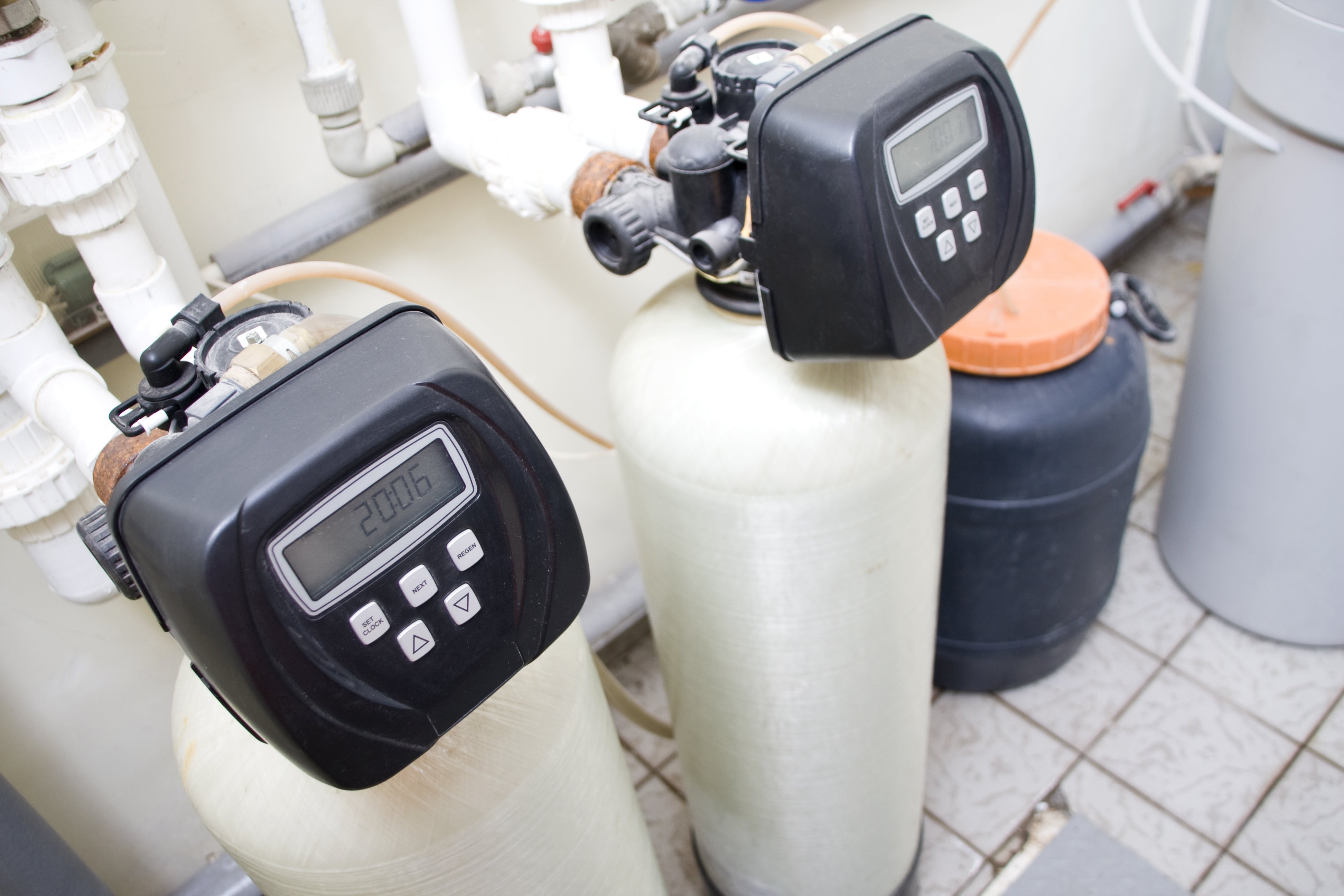
Many cities now use chloramine—a mix of chlorine and ammonia—to disinfect drinking water. While it lasts longer than chlorine, it’s harder to remove and can irritate skin, eyes, and lungs. Chloramine may also cause lead to leach from older pipes. For homeowners, it can damage reverse osmosis membranes, shorten carbon filter life, and degrade water softener resin. To protect your health and systems, install a catalytic carbon pre-filter and replace filters regularly. Though chloramine keeps water safe from bacteria, it’s harsh on people and plumbing—making proper filtration essential for long-term clean, healthy water.
The “I’m Embarrassed to Ask This” Questions (We’ve All Asked)
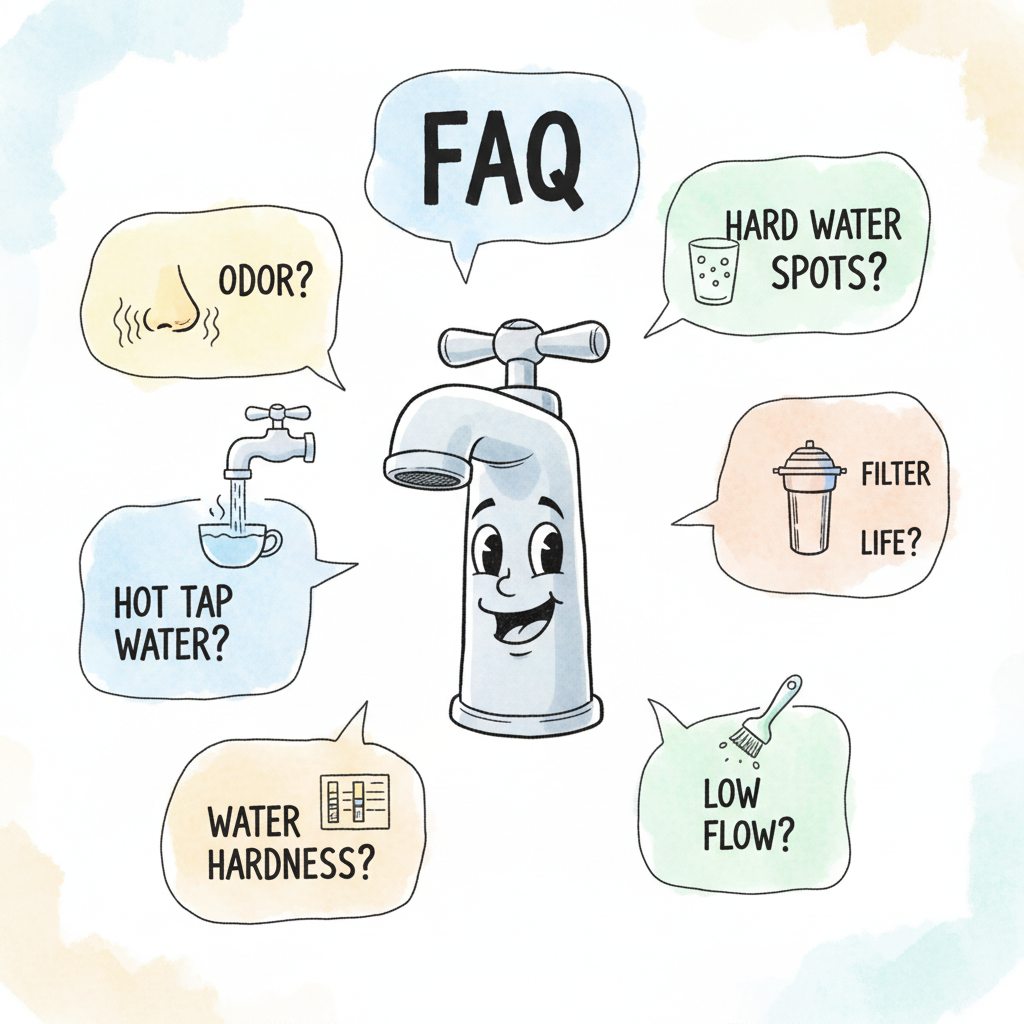
The “I’m embarrassed to ask this” water questions are the ones we hear most: “Is it normal for my shower to smell like a pool?” “Why are my dishes spotty?” “Can I drink hot tap water?” This post answers them in plain English, with next steps: clean the aerator, test hardness, start with a pitcher or countertop filter, and consider under-sink for drinking water. We’ll add comfort wins like filtered ice and a shower filter experiment, plus a reminder system so you don’t forget cartridges. Take the Water Health Check, then book a Water Health Consult for your home.

Desert Living and the Myth of “Just Drink More Water”
Desert living in the Antelope Valley makes “just drink more water” sound simple—until your tap tastes off. Heat, dry air, and hard-water minerals can make hydration harder, not easier. This post gives a practical daily desert routine: keep cold filtered water ready, make ice with filtered water, use an insulated straw bottle you’ll actually carry, and consider a pitcher/countertop or under-sink filter for consistent taste. Add a humidifier with filtered water for comfort in dry bedrooms, especially at night. Start small, stay consistent. Take the Water Health Check, then book a Water Health Consult for your best next step.