
The Hidden Challenge in Your Water: How Chloramine Impacts Health and Home Filtration Systems
The Hidden Challenge in Your Water: How Chloramine Impacts Health and Home Filtration Systems
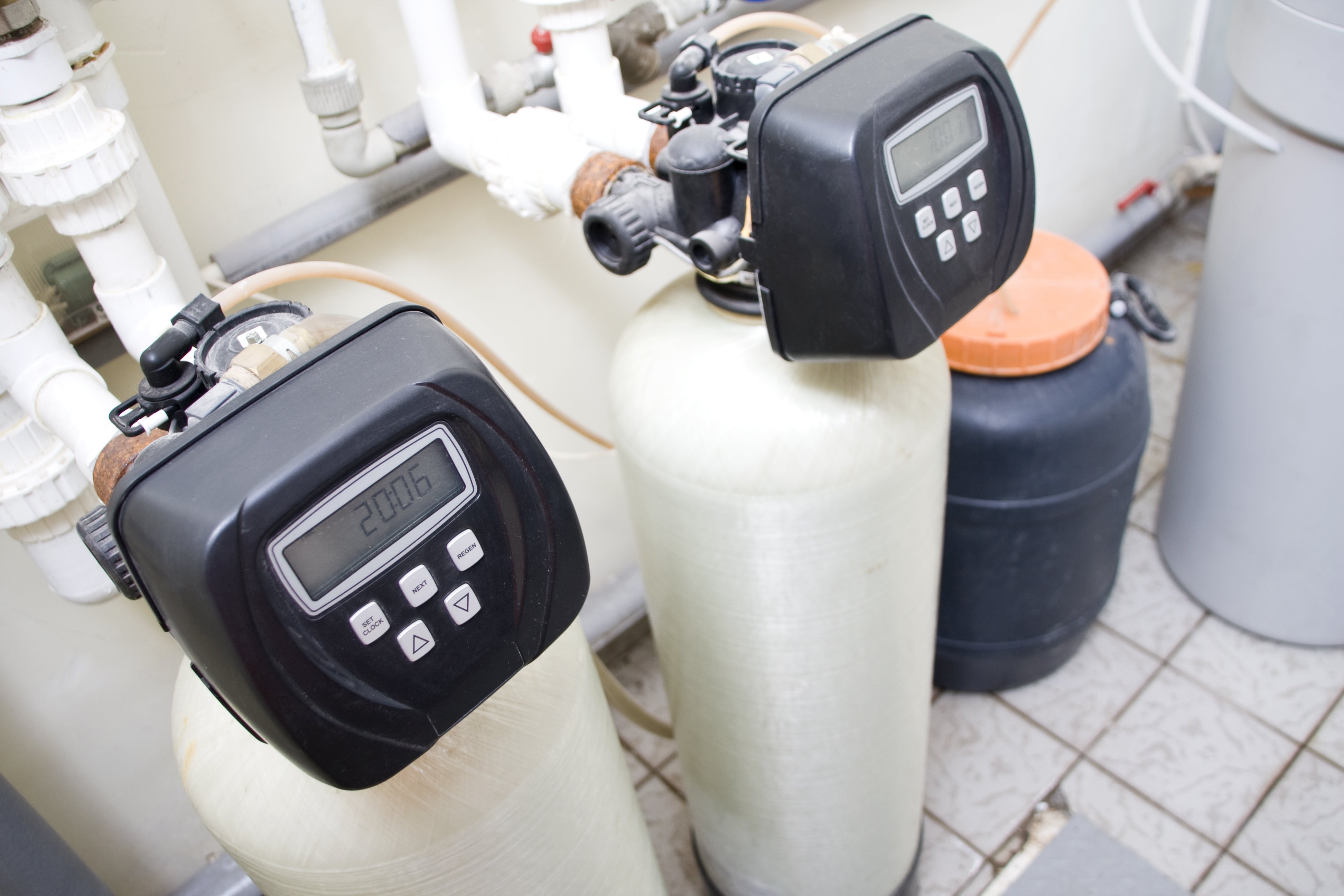
Many cities now use chloramine—a mix of chlorine and ammonia—to disinfect drinking water. While it lasts longer than chlorine, it’s harder to remove and can irritate skin, eyes, and lungs. Chloramine may also cause lead to leach from older pipes. For homeowners, it can damage reverse osmosis membranes, shorten carbon filter life, and degrade water softener resin. To protect your health and systems, install a catalytic carbon pre-filter and replace filters regularly. Though chloramine keeps water safe from bacteria, it’s harsh on people and plumbing—making proper filtration essential for long-term clean, healthy water.

The Hidden Cost of “I’ll Deal With It Later” Water
“I’ll deal with it later” water costs you twice: money and time. Spotty dishes get rewashed, towels stay scratchy, kettles scale up, and appliances work harder while you keep buying cleaners and bottled water. This post maps the hidden ROI leaks—rewashes, repairs, energy loss—and the quick fixes that stop them: hardness test strips, dishwasher and washer cleaner tablets, descaler maintenance, and a filter plan for drinking water. Start with the level you’ll keep, then upgrade. Take the Water Health Check, then book a Water Health Consult to choose the right path for your home without wasting weekends anymore.

Appliance Protection: The $2,000 Scale Problem
Scale is the $2,000 problem hiding in plain sight. Hard-water minerals build up in water heaters, dishwashers, washing machines, and faucets—raising energy use, shortening appliance life, and turning “clean” into spots and film. This post shows how to confirm hardness fast with test strips, then reduce damage with descaler maintenance, dishwasher and washer cleaner tablets, and better rinse habits. If scale is everywhere, it’s time to treat hardness at the source instead of buying cleaners forever. Take the Water Health Check, then book a Water Health Consult to choose the best ROI path for your home right now.
Summer Hair vs Summer Water: A Breakup Story
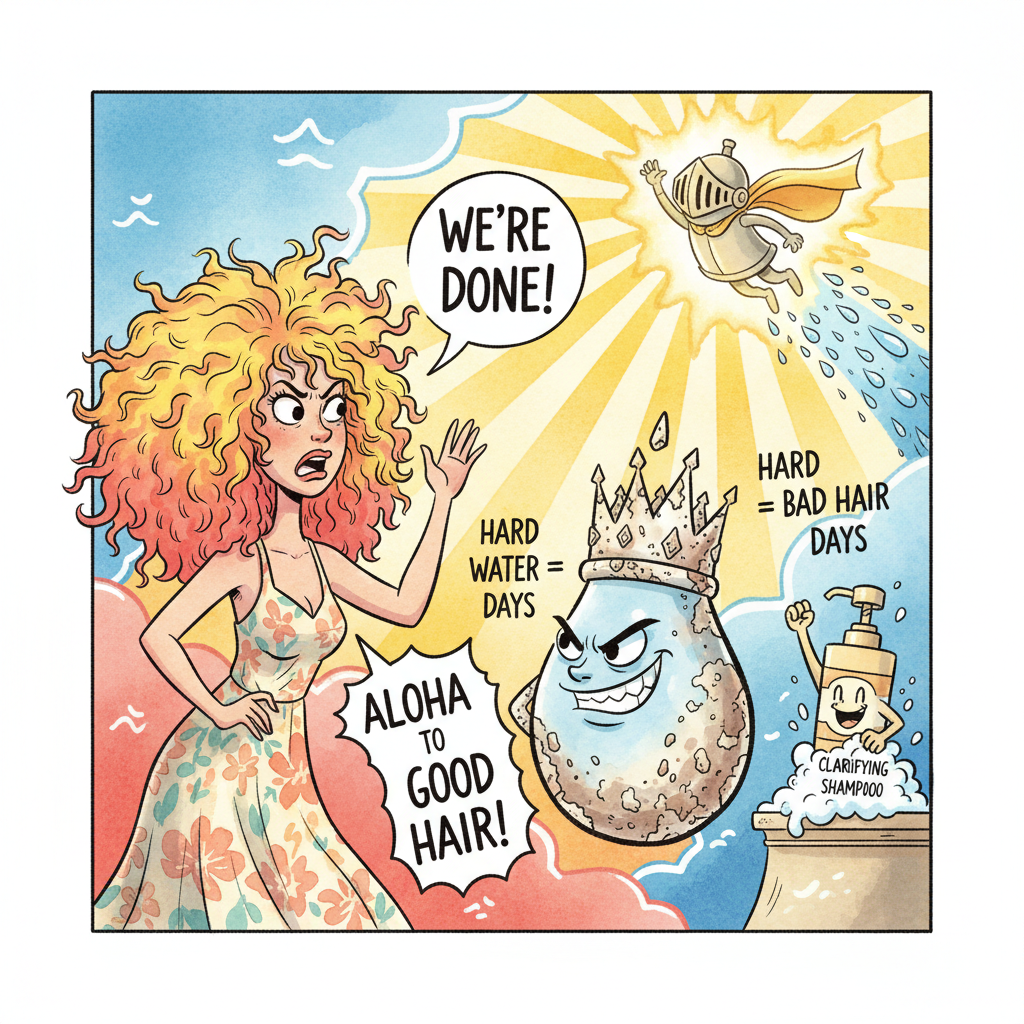
Summer hair filed a complaint? Hard water minerals and chlorine/chloramine can leave hair feeling dry, dull, or “sticky,” especially after pools and hot showers. This post shares a breakup-to-makeup plan: add a shower filter for comfort, descale the shower head for better rinsing, and use a clarifying shampoo occasionally to remove buildup. Follow with a lightweight conditioner and pat dry with a microfiber towel instead of rough rubbing, and your hair feels softer. If scale shows up everywhere, test hardness and consider a kitchen or whole-home plan. Take the Water Health Check, then book a Water Health Consult today.

How to Start Your Own 30-Day Water Health Experiment
Want a simple way to stop guessing about your water? Start a 30-day Water Health Experiment. Week 1: run a home test, clean your faucet aerator, and make filtered ice. Week 2: choose one upgrade you’ll keep—pitcher or countertop filter—and track taste, spots, and kettle scale. Week 3: add a shower comfort test (filter + ventilation) and notice skin and hair feel. Week 4: decide your long-term level—under-sink or whole-home—and set reminders for maintenance. This post includes a checklist and family-friendly scorecard. Take the Water Health Check, then book a Water Health Consult to personalize the experiment.
Purely Imperfect: Why Progress Beats Perfection
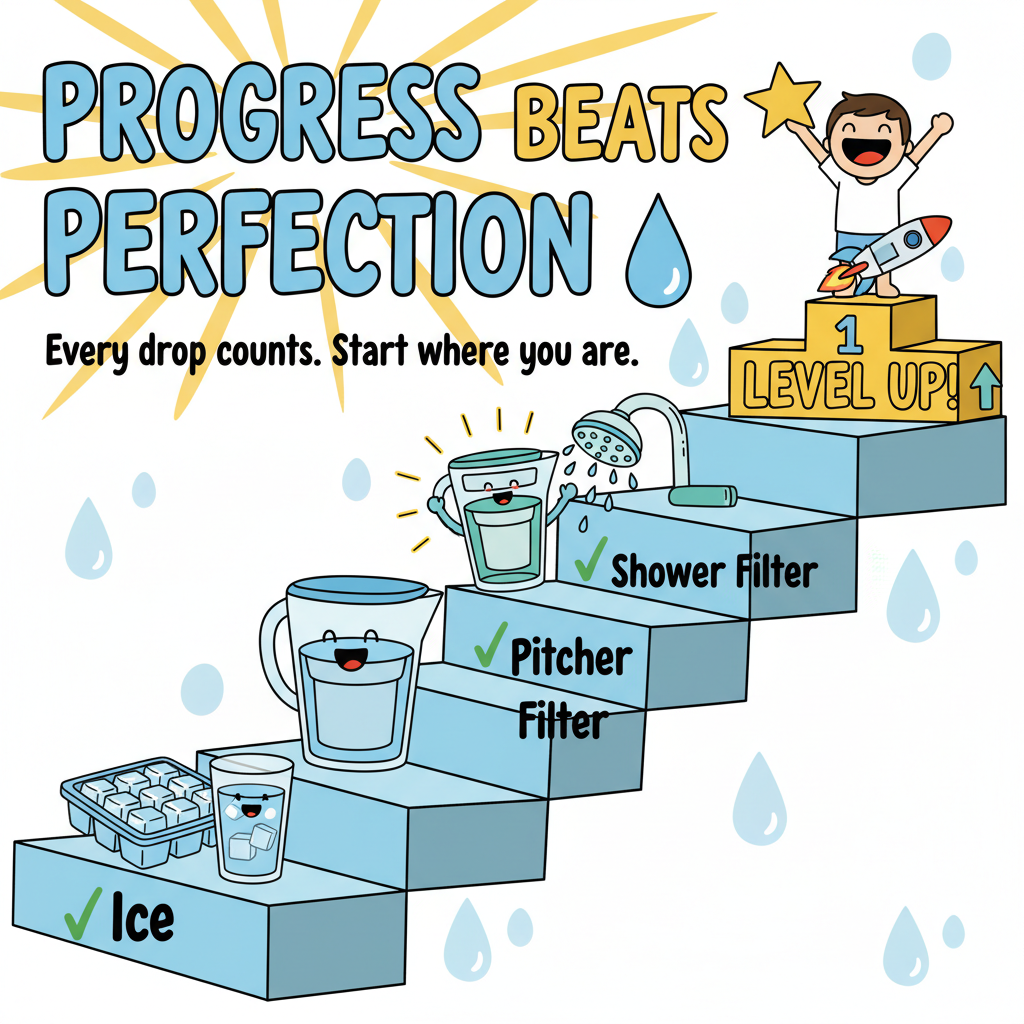
Purely imperfect progress beats perfection every time. If you’re waiting to “do water right,” you’ll do nothing. This post gives a low-pressure plan: pick one habit you can keep—filtered ice, a pitcher filter, or a shower filter—and run it for 30 days. Then stack the next step: countertop, under-sink, or whole-home, based on what you notice. You’ll learn how to measure wins (taste, spots, scale, comfort) without obsessing, and how to set reminders so maintenance stays easy. Start with the Water Health Check, then book a Water Health Consult for a simple, customized roadmap for your family budget.
Things My 20-Year-Old Self Didn’t Know About Water
My 20-year-old self thought water was just water—until I met hard-water scale, cloudy glasses, and “pool smell” showers. This post shares the things I wish I knew earlier: ice is frozen tap flavor, hot water makes odors louder, and small upgrades beat big intentions. You’ll get a starter ladder—pitcher, countertop, under-sink, then whole-home—plus the 7-day taste test that converts skeptics. We’ll also cover simple maintenance: aerator cleaning, filter-change reminders, and bottle hygiene. If you want a plan that fits your home, take the Water Health Check and book a Water Health Consult without overbuying or guessing today.
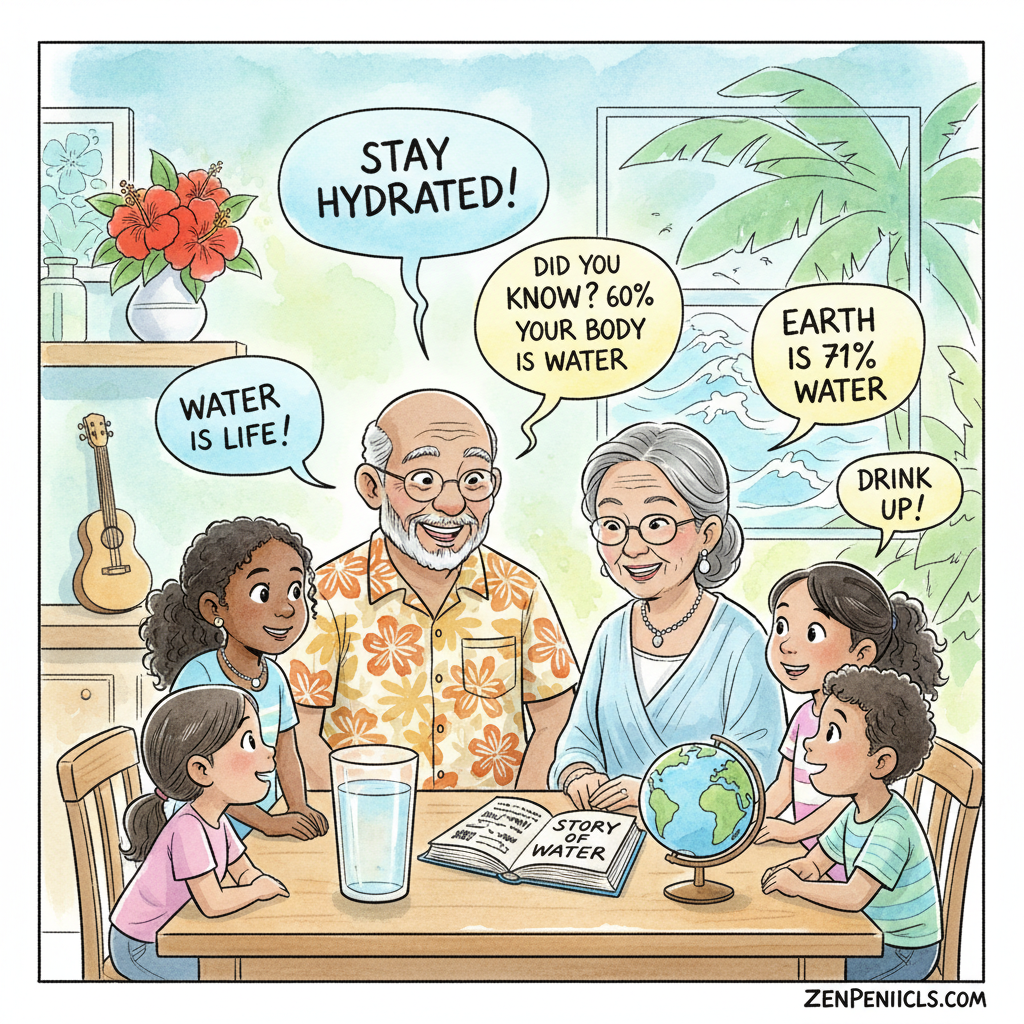
What I Want My Grandkids to Know About Water
What I want my grandkids to know about water is simple: it’s not just what you drink. It’s what you cook with, what freezes into your ice, and what turns into shower steam. “Safe enough” can still taste off or scale up appliances. This post shares a hopeful path: start with one upgrade you’ll keep—a pitcher or countertop filter—then level up to under-sink or whole-home when you’re ready. You’ll get a checklist and an easy way to involve the family. Take the Water Health Check, then book a Water Health Consult to choose your next step confidently today.
From Skeptic to Super Fan: How One Customer Switched
One customer came in a skeptic: “My water is fine—filters are a scam.” Then we did two things: we tested, and we ran a taste experiment with filtered ice. That was the turning point. This post walks through the objections we hear (cost, maintenance, fear of upsells) and the path that converts skeptics into super fans: start with a pitcher or countertop filter, upgrade to under-sink for drinking water, and add shower comfort if needed. You’ll get USA-made accessory picks and a reminder system for cartridges. Take the Water Health Check, then book a Water Health Consult.
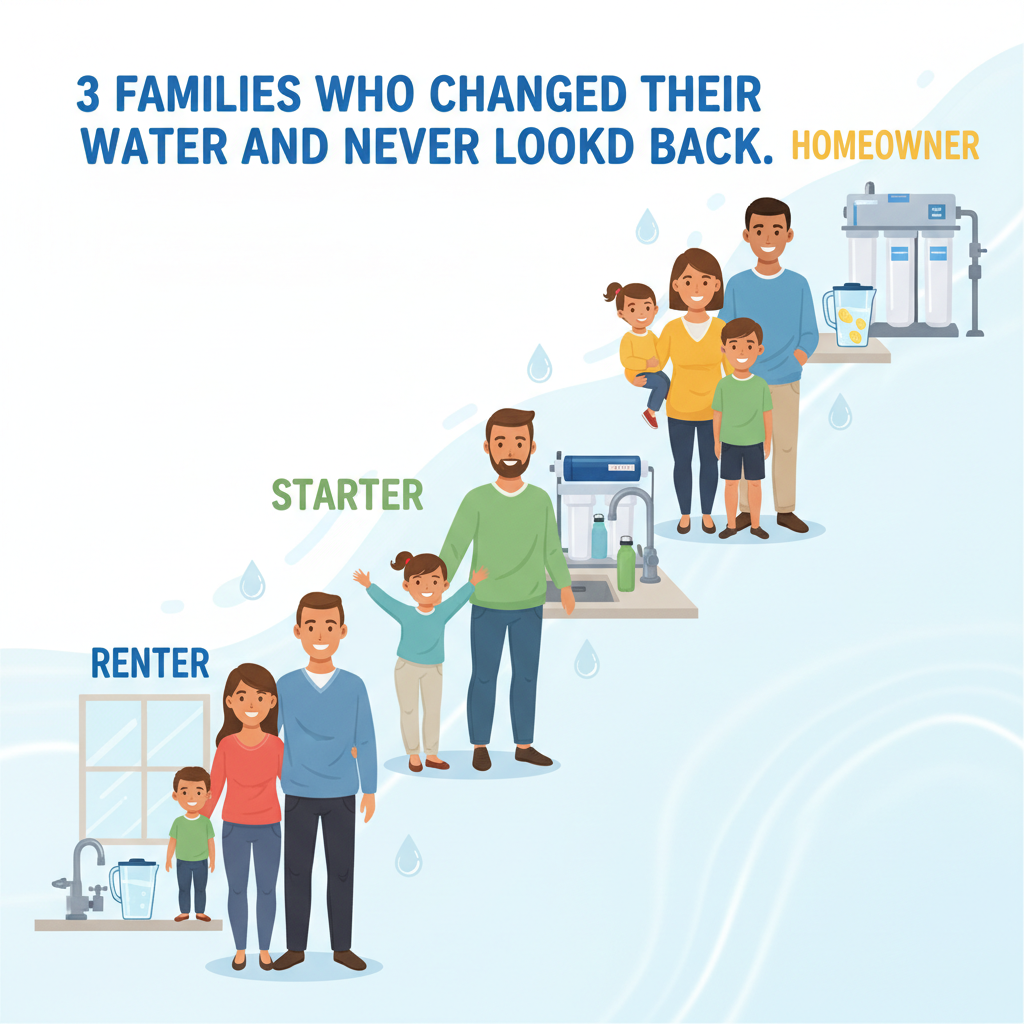
3 Families Who Changed Their Water and Never Looked Back
Three families changed their water and never looked back: a renter who started with a shower filter and pitcher, a household that upgraded to an under-sink system, and a homeowner who addressed hardness to protect appliances. This post shares what they noticed first—better taste, easier showers, less scale—and what made it stick: simple routines and the right system level. You’ll get a decision guide (renters vs homeowners), USA-made picks, and a proof test: filtered ice for one week. Take the Water Health Check, then book a Water Health Consult for a plan that fits your family.
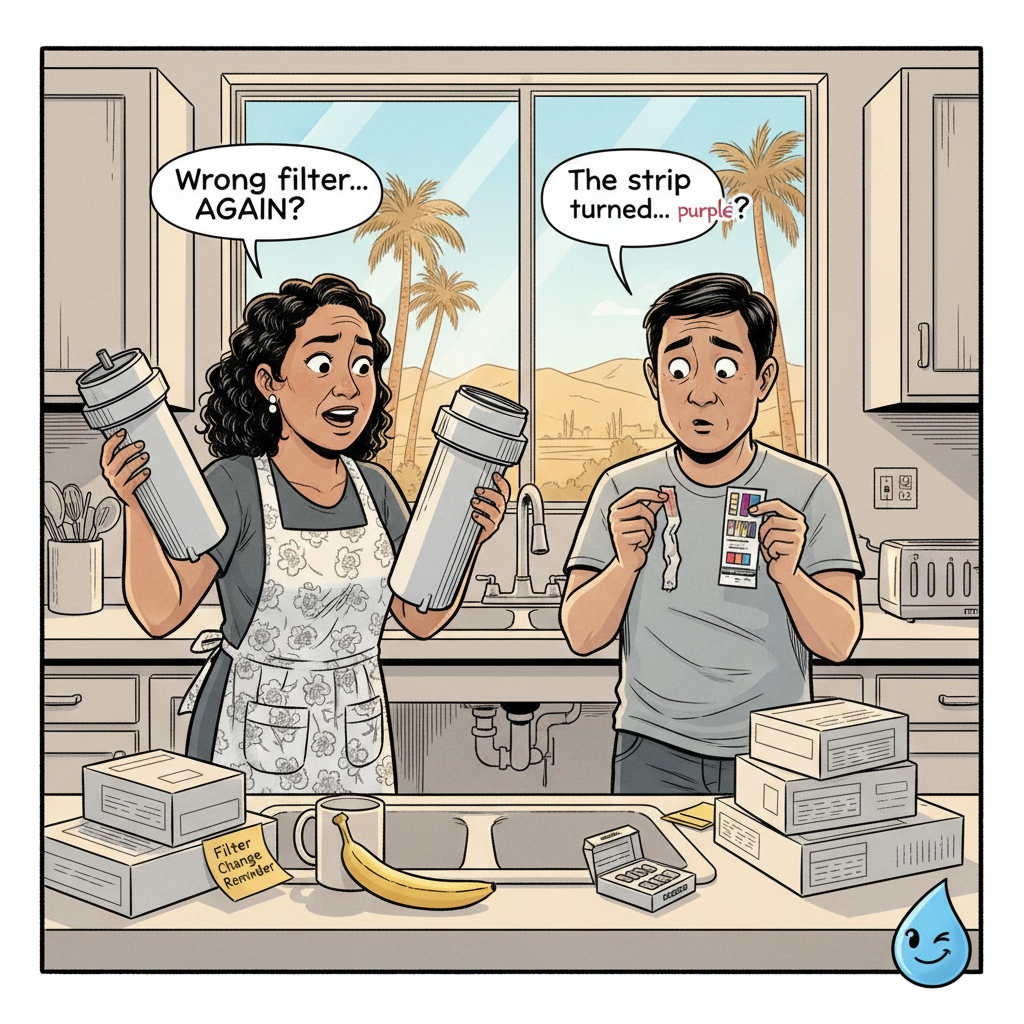
Water Mistakes I See Every Week in the Shop
Every week in the shop, I see the same water mistakes: buying random filters without testing, forgetting cartridge changes, and trying to “fix taste” with bottled water. This post gives the checklist: start with a simple test kit, match the right filter to the problem (taste, odor, hardness, sediment), and set a change reminder. We’ll cover the fastest wins—filtered ice, a shower filter, and a kitchen pitcher or countertop unit—plus when under-sink or whole-home makes more sense. Take the Water Health Check, then book a Water Health Consult so you get it right the first time.
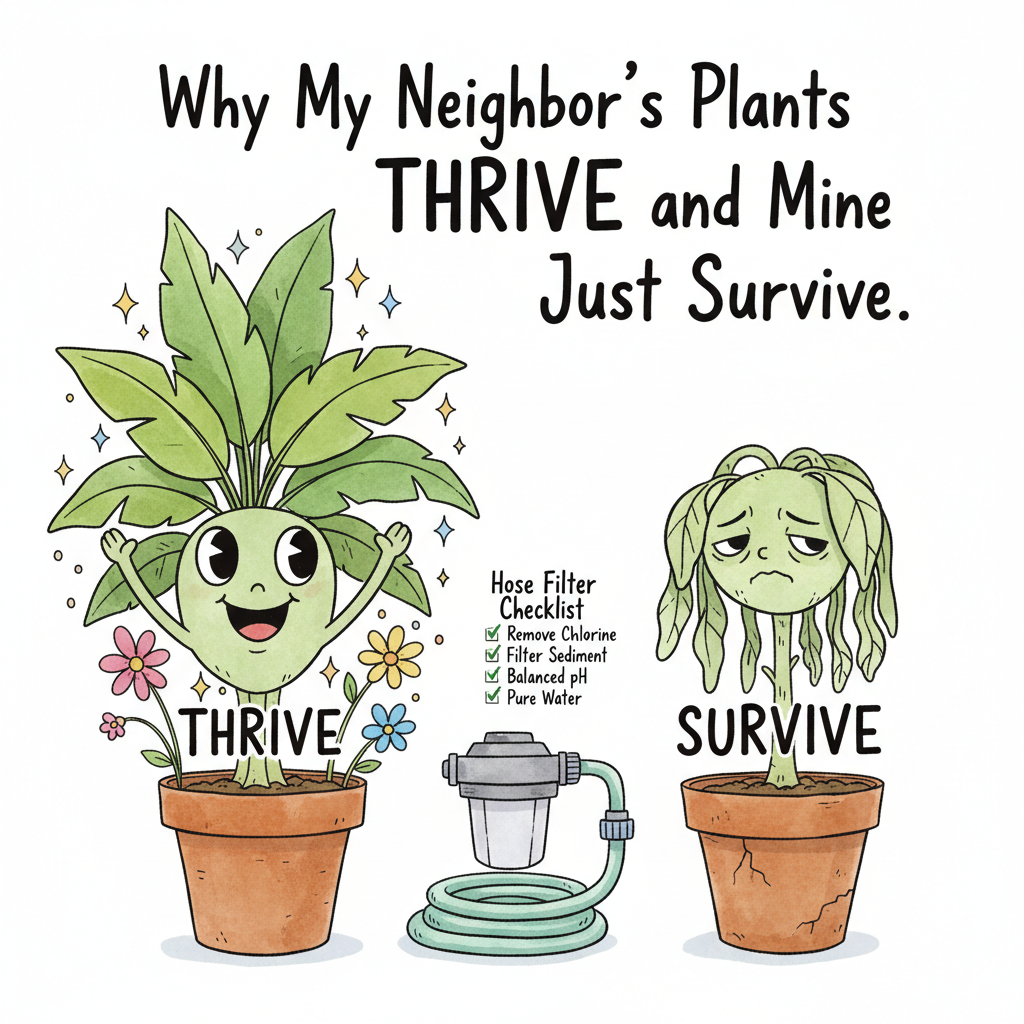
Why My Neighbor’s Plants Thrive and Mine Just Survive
Your neighbor’s plants thrive while yours just survive? In desert climates, water quality and minerals can matter as much as sunlight. This post explains how hard water scale can crust soil and pots, and how disinfectant smell can make watering feel “off.” Try a hose filter for garden watering, use a watering can, and test your water so you know what you’re working with. For indoor plants, let water reach room temp and avoid over-soaping pots. Small changes add up. Want a home plan that helps people and plants? Take the Water Health Check, then book a Water Health Consult.