
The Hidden Challenge in Your Water: How Chloramine Impacts Health and Home Filtration Systems
The Hidden Challenge in Your Water: How Chloramine Impacts Health and Home Filtration Systems
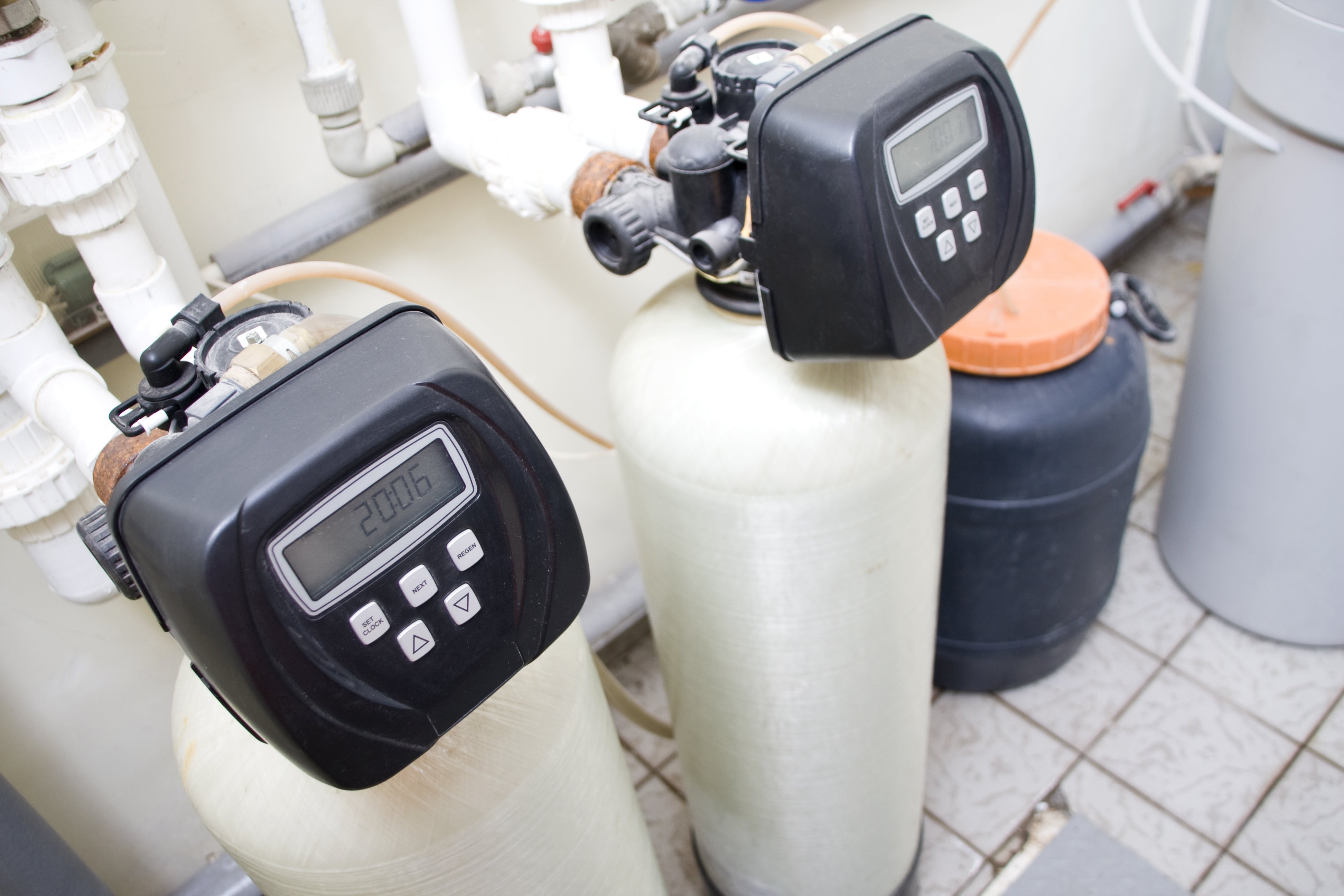
Many cities now use chloramine—a mix of chlorine and ammonia—to disinfect drinking water. While it lasts longer than chlorine, it’s harder to remove and can irritate skin, eyes, and lungs. Chloramine may also cause lead to leach from older pipes. For homeowners, it can damage reverse osmosis membranes, shorten carbon filter life, and degrade water softener resin. To protect your health and systems, install a catalytic carbon pre-filter and replace filters regularly. Though chloramine keeps water safe from bacteria, it’s harsh on people and plumbing—making proper filtration essential for long-term clean, healthy water.

The Hidden Cost of “I’ll Deal With It Later” Water
“I’ll deal with it later” water costs you twice: money and time. Spotty dishes get rewashed, towels stay scratchy, kettles scale up, and appliances work harder while you keep buying cleaners and bottled water. This post maps the hidden ROI leaks—rewashes, repairs, energy loss—and the quick fixes that stop them: hardness test strips, dishwasher and washer cleaner tablets, descaler maintenance, and a filter plan for drinking water. Start with the level you’ll keep, then upgrade. Take the Water Health Check, then book a Water Health Consult to choose the right path for your home without wasting weekends anymore.

The Upgrade Buyers Don’t See (But Absolutely Feel)
Some upgrades show in photos; water upgrades show up in daily life. Better-tasting drinking water, cleaner ice, softer showers, and less scale make a home feel cared for—even if buyers can’t name why. This post explains the “invisible ROI”: fewer appliance repairs, better coffee and cooking, and a calmer routine for kids and guests. Start with an under-sink kitchen system for maximum daily impact, then plan whole-home treatment if hardness is chewing up heaters and fixtures. Take the Water Health Check, then book a Water Health Consult to build a smart upgrade plan that fits your timeline and budget.
Auto-Ship Saves Marriages (and Weekends)
Most water systems don’t fail because they’re bad—they fail because life is busy and cartridges don’t get changed. Then taste drifts, scale returns, and the household blames the system (or each other). This post shows the adult solution: auto-ship refills or reminders that hit before performance drops. Pair it with a calendar magnet, an alert, and a five-minute swap routine. Consistency is the real ROI: fewer rewashes, fewer repairs, better tasting water every day. Take the Water Health Check, then book a Water Health Consult to set your filter schedule and pick the right level for your home.
Renters vs Homeowners: Best ROI Setup at Each Level
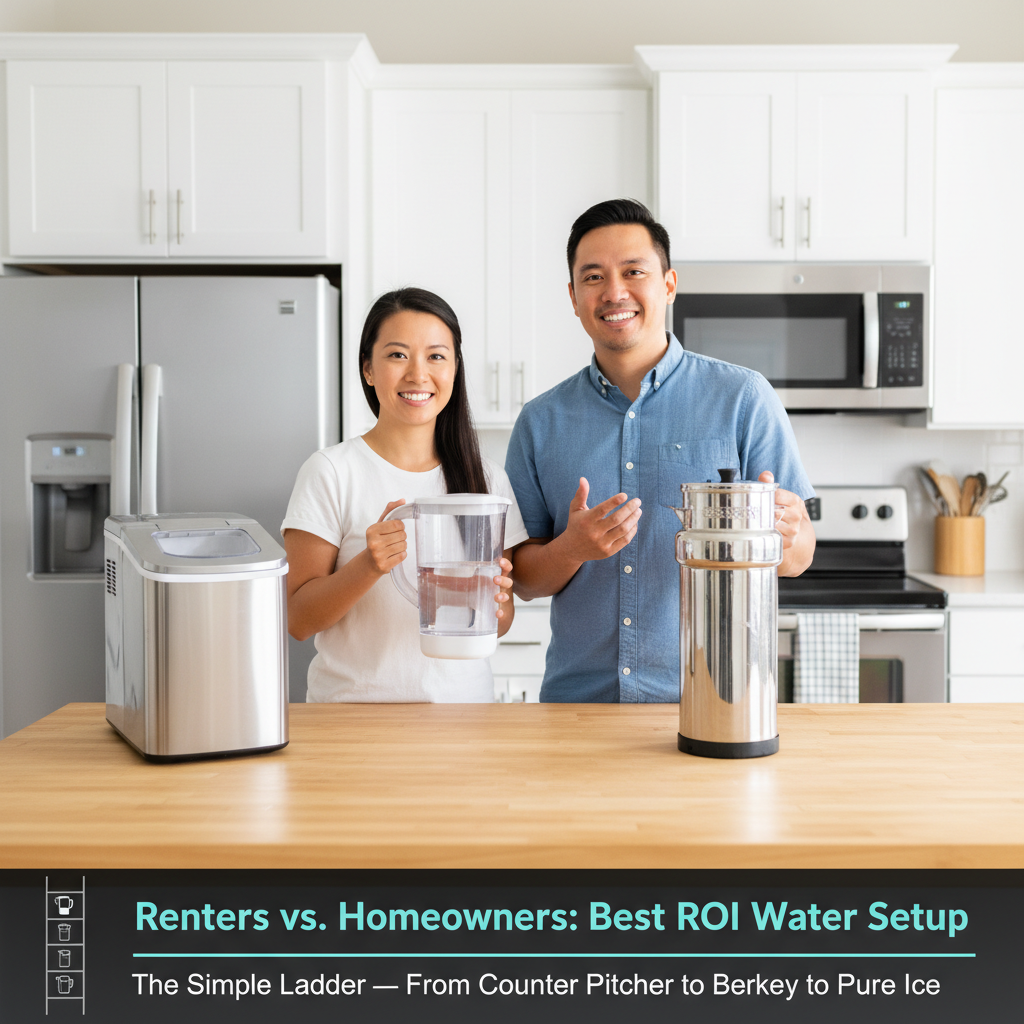
Renters and homeowners can both win on water—just with different ROI moves. Renters get the biggest payoff from zero-plumbing upgrades: a countertop or pitcher filter for drinking and cooking, plus a shower filter for comfort. Homeowners often get better long-term ROI with an under-sink kitchen system first, then whole-home planning if scale is damaging appliances. This post gives a simple ladder, the budget logic, and a “taste proof” test: make filtered ice for one week. Take the Water Health Check to find your level, then book a Water Health Consult so you buy once and feel the difference fast.
Cheap Filter vs Real Plan: Why “Random” Gets Expensive
Random filters feel cheap until you own a “filter graveyard” under the sink: three devices, two unused cartridges, and zero confidence. This post explains why mismatch costs more—buying taste filters for hardness problems, forgetting replacements, and chasing symptoms instead of a plan. You’ll get the ROI workflow: do a basic test, pick one reliable system (pitcher/countertop/under-sink), set a reminder, and track results for seven days with filtered ice. Spend once, not repeatedly. Take the Water Health Check, then book a Water Health Consult to match the right solution to your home and budget from day one.

Appliance Protection: The $2,000 Scale Problem
Scale is the $2,000 problem hiding in plain sight. Hard-water minerals build up in water heaters, dishwashers, washing machines, and faucets—raising energy use, shortening appliance life, and turning “clean” into spots and film. This post shows how to confirm hardness fast with test strips, then reduce damage with descaler maintenance, dishwasher and washer cleaner tablets, and better rinse habits. If scale is everywhere, it’s time to treat hardness at the source instead of buying cleaners forever. Take the Water Health Check, then book a Water Health Consult to choose the best ROI path for your home right now.
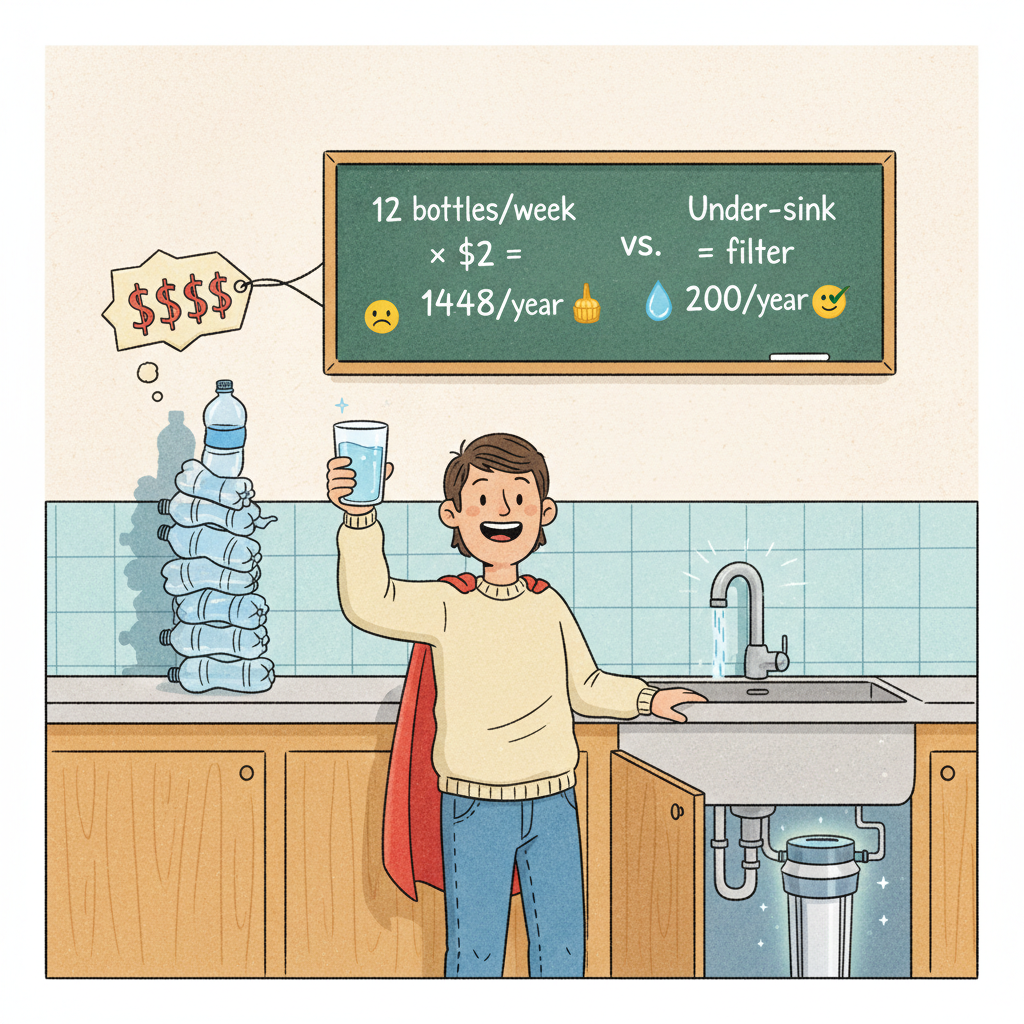
The Bottled Water Budget You’re Accidentally Paying
Bottled water feels small until you total it. A few cases a week becomes a monthly subscription you didn’t sign up for—plus plastic, storage, and errands. This post shows the simple math, then the better ROI: start with a pitcher filter and filtered ice, upgrade to a countertop filter for faster refills, or go under-sink for set-and-forget drinking water. Add a glass carafe so good water stays visible. Spend less, waste less, and drink more. Take the Water Health Check, then book a Water Health Consult to pick the right level for your home and budget today.
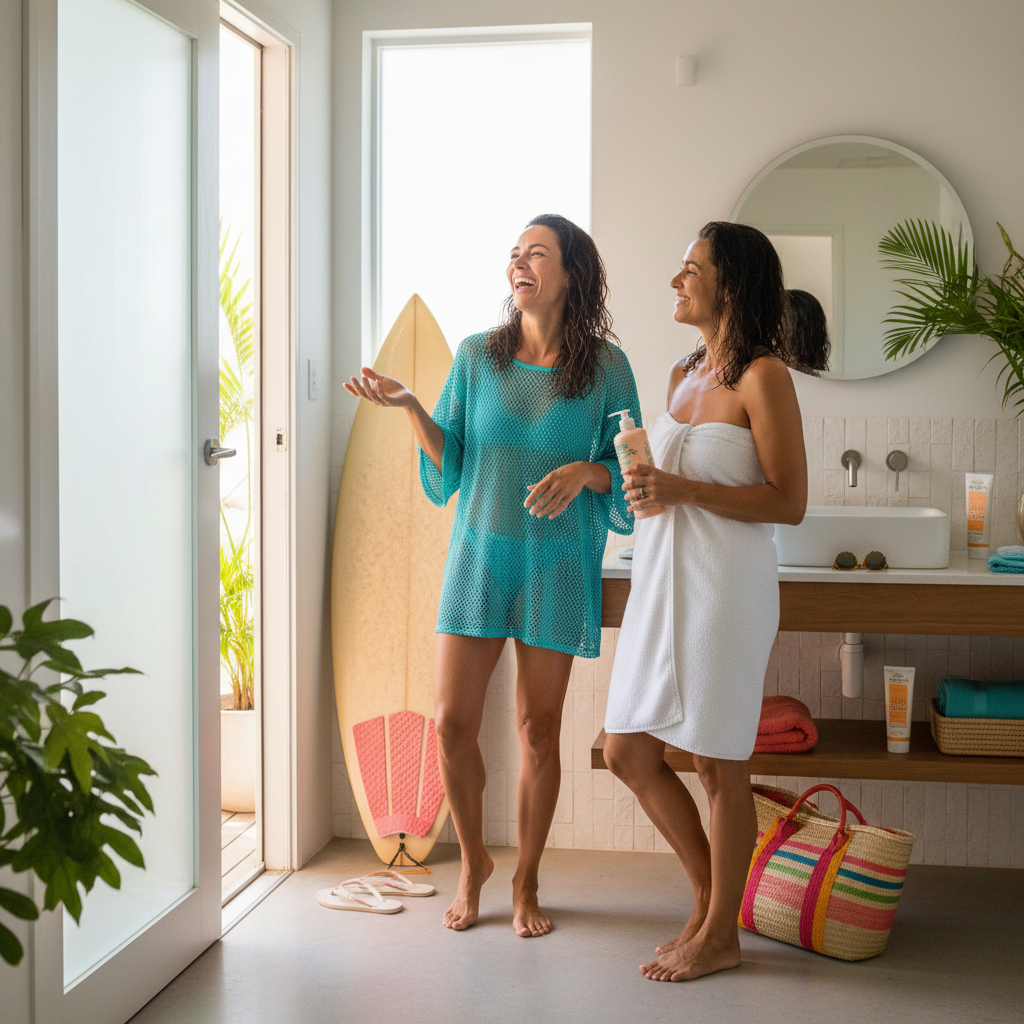
The “Quick Rinse” After the Beach That Turned Into a Shower Conference
The “quick rinse” after the beach turned into a shower conference? Sun + salt + sand can make skin extra reactive, and hot steam can amplify chlorine smell. This post gives a calm reset: rinse lukewarm first, use a gentle cleanser, and moisturize while skin is still slightly damp. Try a shower filter if steam smells pool-ish, and keep a clean microfiber towel for face and hair. Use filtered water for face rinsing and ice so your routine feels smoother, so you feel refreshed, not irritated. Start small, stay consistent. Take the Water Health Check, then book a Water Health Consult now.
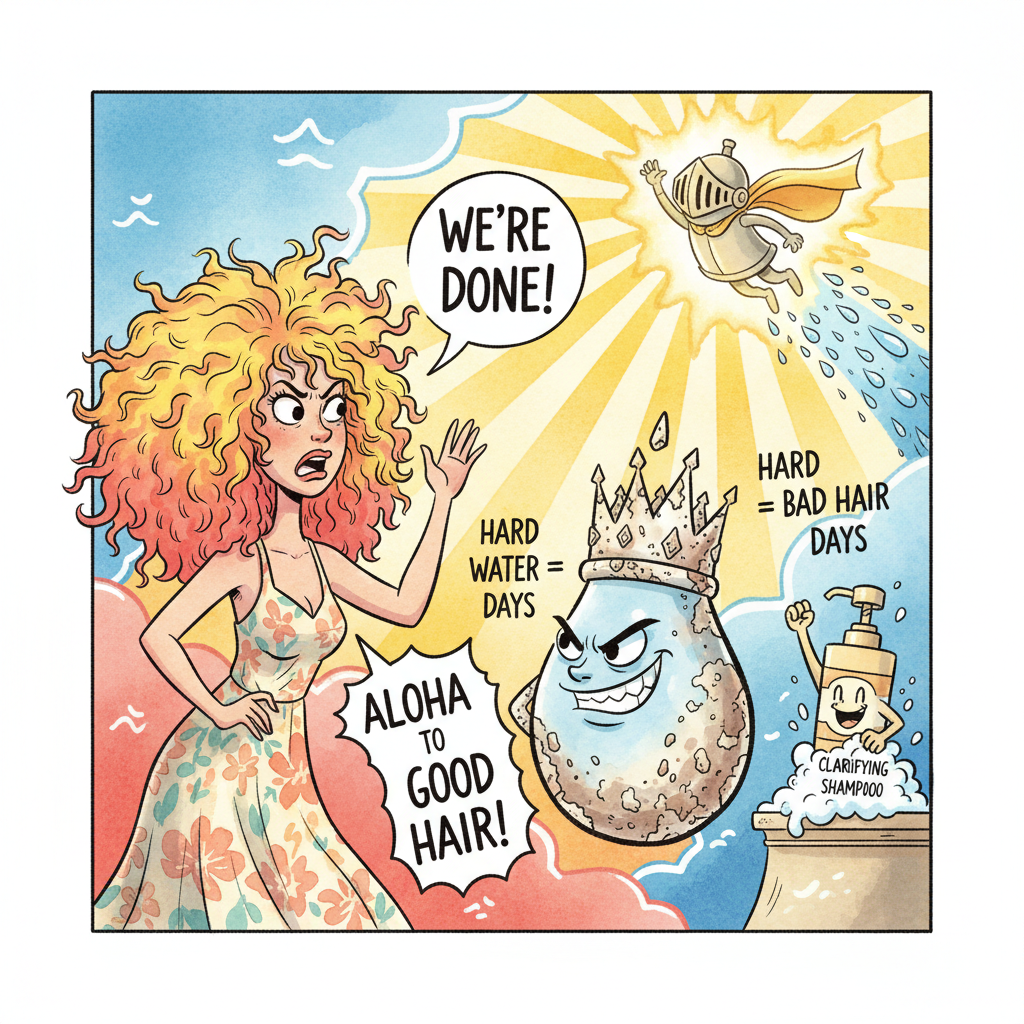
Summer Hair vs Summer Water: A Breakup Story
Summer hair filed a complaint? Hard water minerals and chlorine/chloramine can leave hair feeling dry, dull, or “sticky,” especially after pools and hot showers. This post shares a breakup-to-makeup plan: add a shower filter for comfort, descale the shower head for better rinsing, and use a clarifying shampoo occasionally to remove buildup. Follow with a lightweight conditioner and pat dry with a microfiber towel instead of rough rubbing, and your hair feels softer. If scale shows up everywhere, test hardness and consider a kitchen or whole-home plan. Take the Water Health Check, then book a Water Health Consult today.
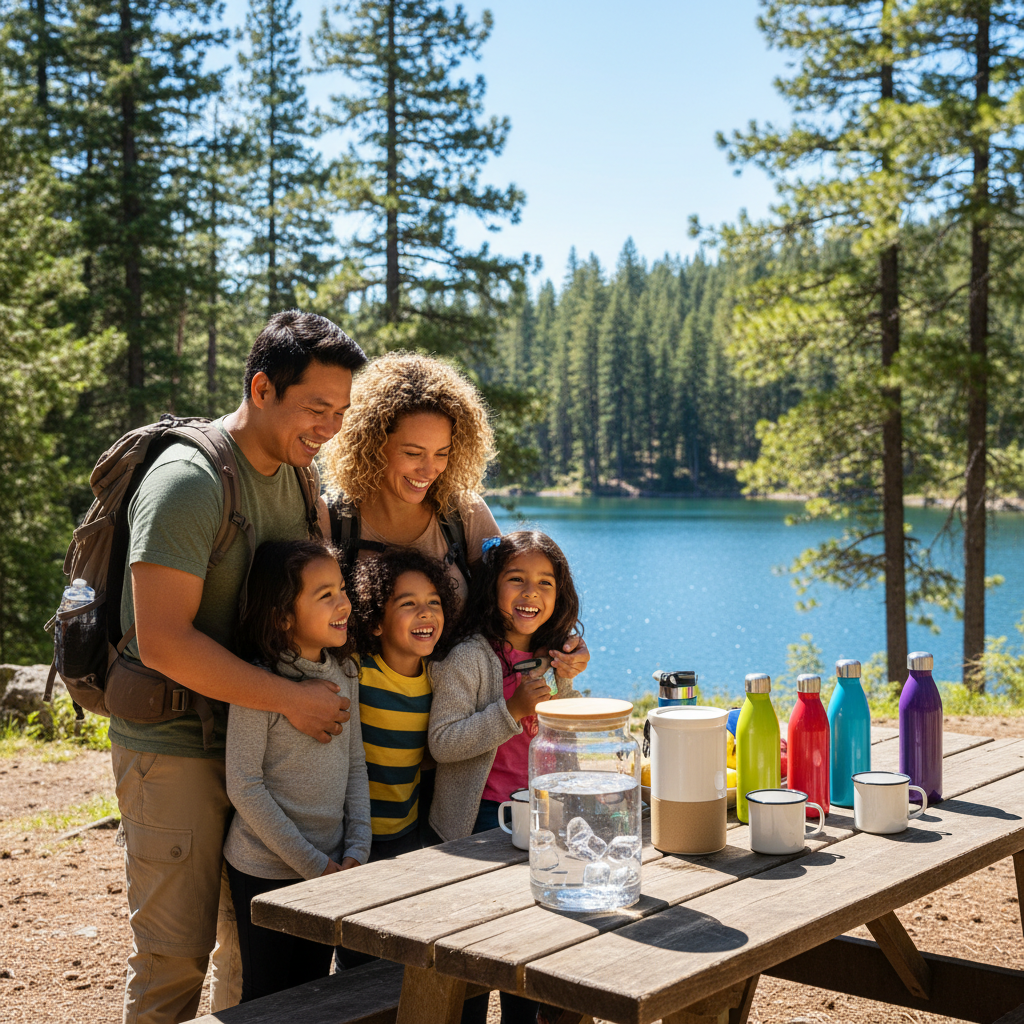
Camping/Beach Day: Travel Water Without the Plastic Pile
Camping or beach day should not end with a mountain of plastic bottles. This post shows a simple travel-water system: bring a filter water bottle for each person, pack a collapsible water jug for refills, and pre-make filtered ice so the cooler doesn’t “season” drinks. Use a car organizer so bottles don’t roll under seats, and a small brush kit so lids don’t get funky mid-trip. Bonus: pack a small cooler thermometer so ice lasts. Start renter-friendly at home with a pitcher or countertop filter, then level up later. Take the Water Health Check, then book a Water Health Consult.
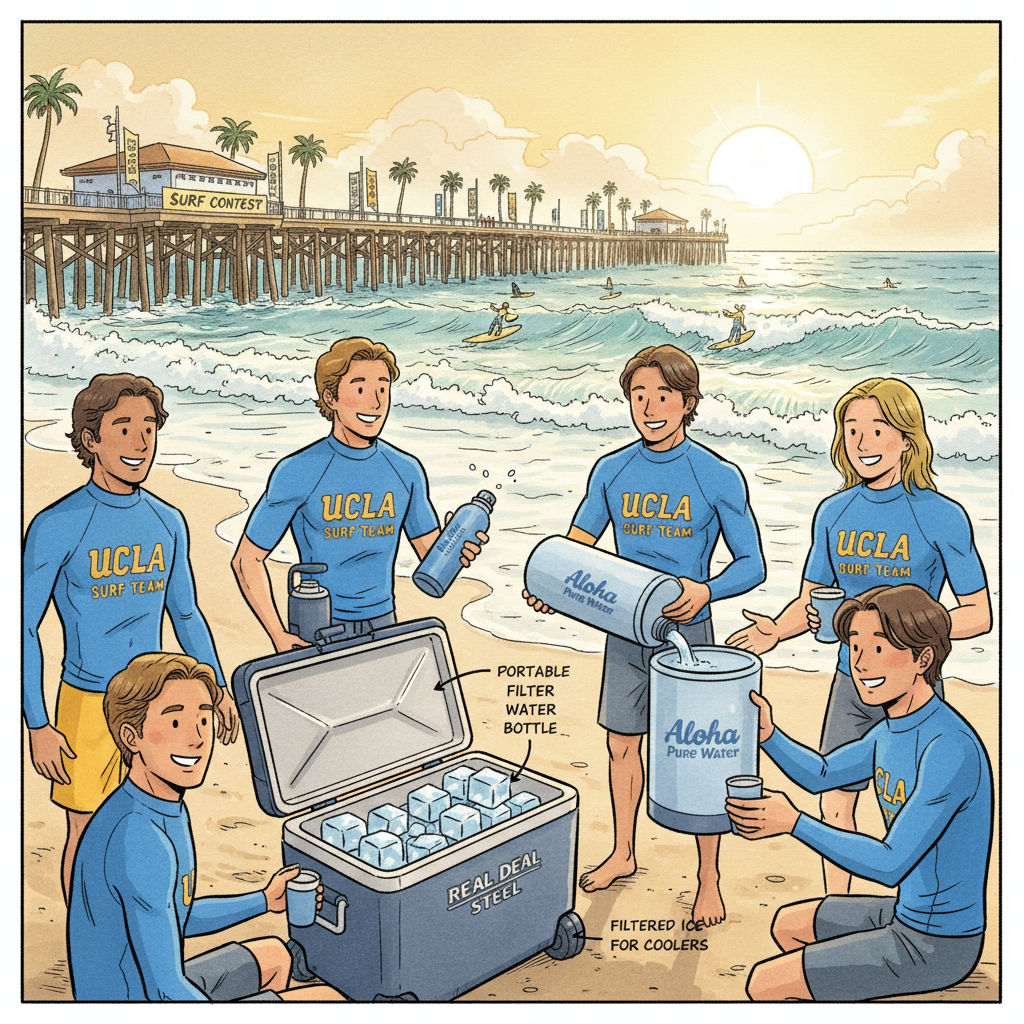
The Cooler Water That “Seasoned” Everything
If your cooler water “seasoned” everything, you’re not crazy. Warm plastic, melting ice, and tap water taste can turn into a penny-ish aftertaste that kids refuse. This post gives a sideline plan: fill a team jug at home with filtered water, use filtered ice, and pack portable filter bottles for backup. Clean the cooler with a rinse-friendly soap, and keep spouts dry so funk doesn’t grow. Less plastic, happier hydration, fewer arguments for everyone. Bonus: freeze half your ice at home and you’ll stop buying bottles every tournament weekend. Take the Water Health Check, then book a Water Health Consult.
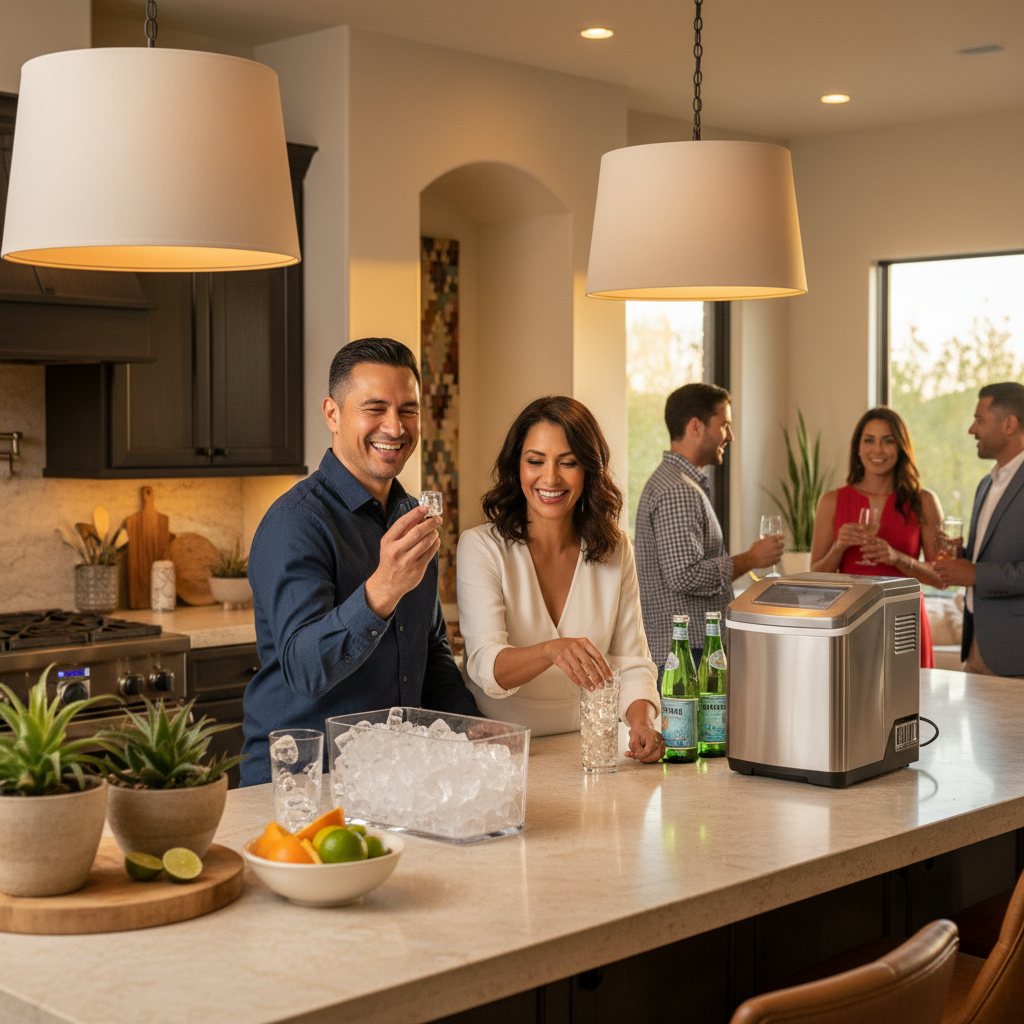
BBQ Night: The Drinks Are Cold, the Ice Is… Loud
BBQ night: the drinks are cold, but the ice is loud. Ice is frozen tap flavor, so if cubes taste “off,” every lemonade, iced tea, and sparkling water will too. This post shows the hosting upgrade: make ice with filtered water for a week, use clear ice molds for cleaner-looking cubes, and replace fridge filters on schedule. Keep a glass carafe filled so refills are effortless, and use a clean ice scoop. Small change, big taste win—guests notice. All summer long, easily. Take the Water Health Check, then book a Water Health Consult to choose the right kitchen level.
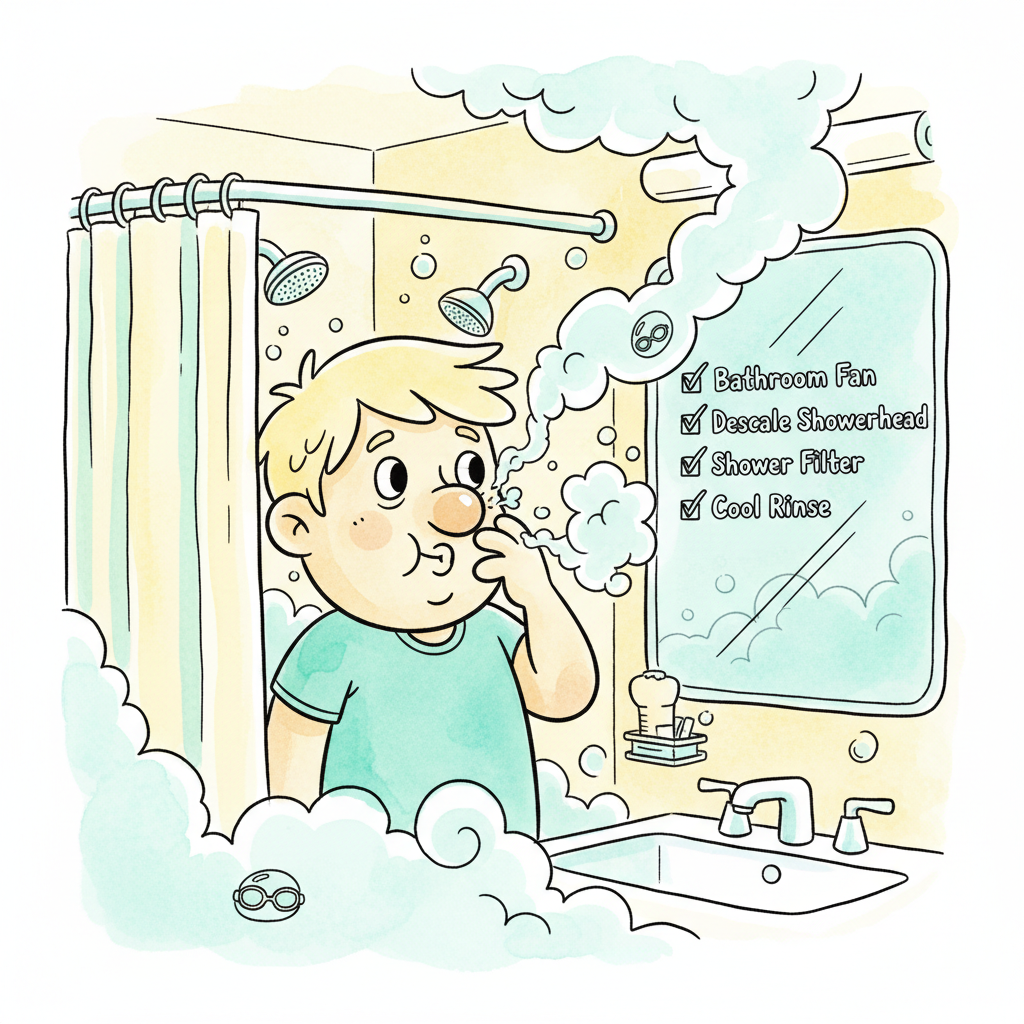
Pool Season: When Your Shower Smells Like Swim Practice
Pool season is fun—until your shower smells like swim practice. Hot water and steam can amplify chlorine/chloramine, and poor ventilation makes the “pool vibe” stronger. This post shares a calm fix plan: run the bathroom fan early (or add a fan timer), descale the shower head, and try a shower filter for comfort. Keep a clean towel routine and finish with a quick cooler rinse so skin feels better after. If you want clarity, compare your water report with a simple home test kit. Without the drama. Take the Water Health Check, then book a Water Health Consult.
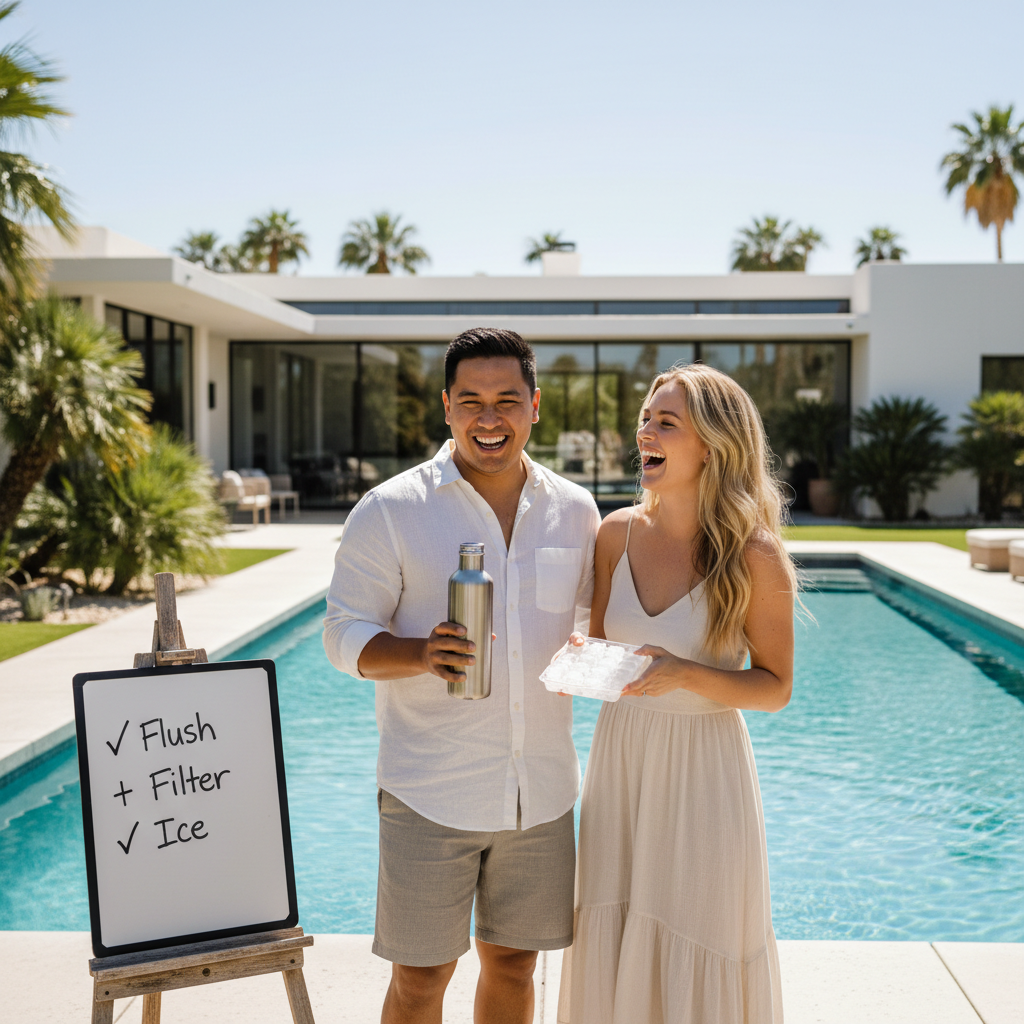
Heat Wave Hydration: Why Your Water Suddenly Tastes Different
Heat waves can make tap water taste “louder.” Warm pipes and sitting water can amplify chlorine/chloramine odor and stale flavors. This post shows easy fixes: flush the cold line for 30 seconds, keep a pitcher or countertop filter ready, and make ice with filtered water so every drink tastes cleaner. Use an insulated straw bottle so you actually hydrate, and refill a glass carafe for the fridge. Start with one habit you’ll keep, then level up to under-sink drinking water for set-and-forget consistency. For your family, every day. Take the Water Health Check, then book a Water Health Consult.

How to Start Your Own 30-Day Water Health Experiment
Want a simple way to stop guessing about your water? Start a 30-day Water Health Experiment. Week 1: run a home test, clean your faucet aerator, and make filtered ice. Week 2: choose one upgrade you’ll keep—pitcher or countertop filter—and track taste, spots, and kettle scale. Week 3: add a shower comfort test (filter + ventilation) and notice skin and hair feel. Week 4: decide your long-term level—under-sink or whole-home—and set reminders for maintenance. This post includes a checklist and family-friendly scorecard. Take the Water Health Check, then book a Water Health Consult to personalize the experiment.

The Aloha Way: Protecting Family, Friends, Community, Country
The Aloha Way is simple: protect family, friends, community, and country by making daily water choices easier. Not with fear—with clarity. Water touches what we drink, cook, breathe as steam, and absorb on skin. This post shows how to build a ‘protection stack’ that fits: start with better-tasting drinking water, add filtered ice, and upgrade showers for comfort. Then choose your level—renter, starter, or homeowner essentials—so you don’t overbuy. Join “What’s In Your Water” by taking the Water Health Check and booking a Water Health Consult for a plan you can share with the people you love.
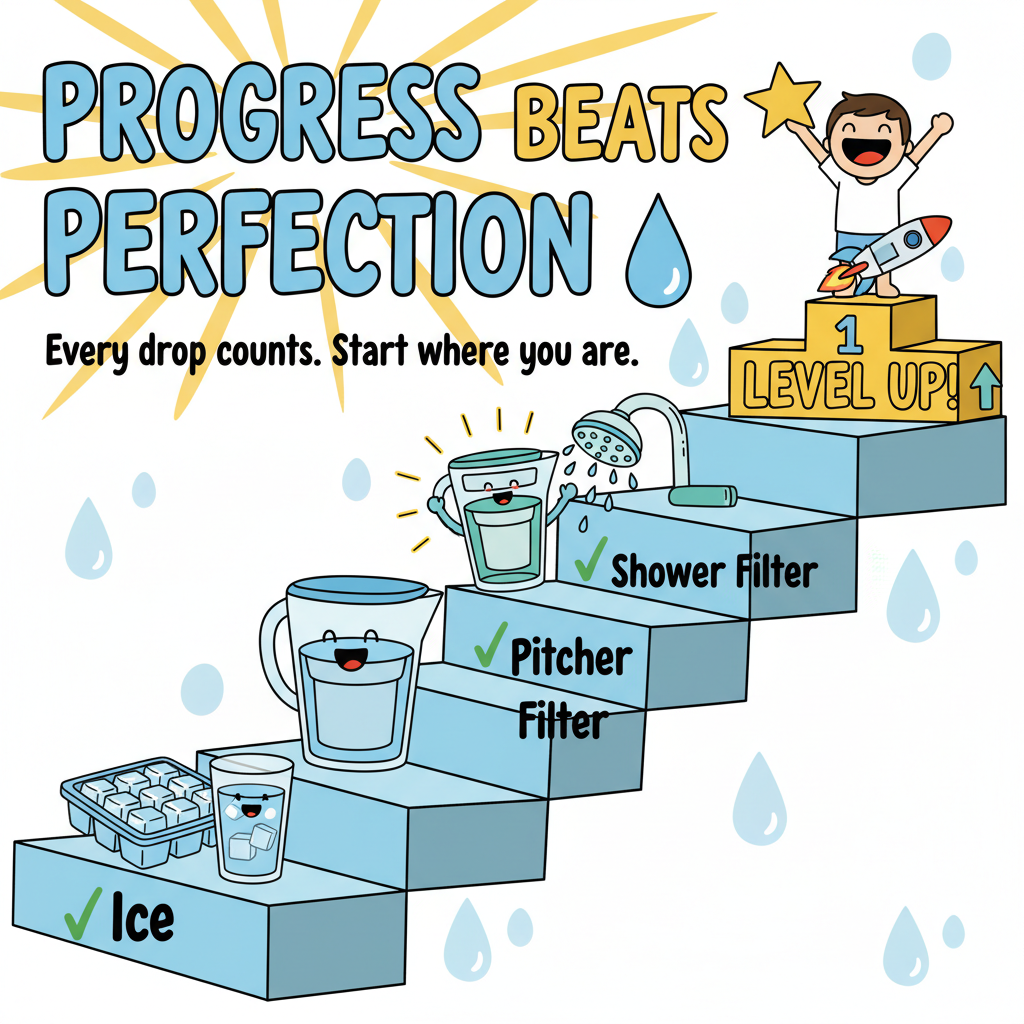
Purely Imperfect: Why Progress Beats Perfection
Purely imperfect progress beats perfection every time. If you’re waiting to “do water right,” you’ll do nothing. This post gives a low-pressure plan: pick one habit you can keep—filtered ice, a pitcher filter, or a shower filter—and run it for 30 days. Then stack the next step: countertop, under-sink, or whole-home, based on what you notice. You’ll learn how to measure wins (taste, spots, scale, comfort) without obsessing, and how to set reminders so maintenance stays easy. Start with the Water Health Check, then book a Water Health Consult for a simple, customized roadmap for your family budget.
Things My 20-Year-Old Self Didn’t Know About Water
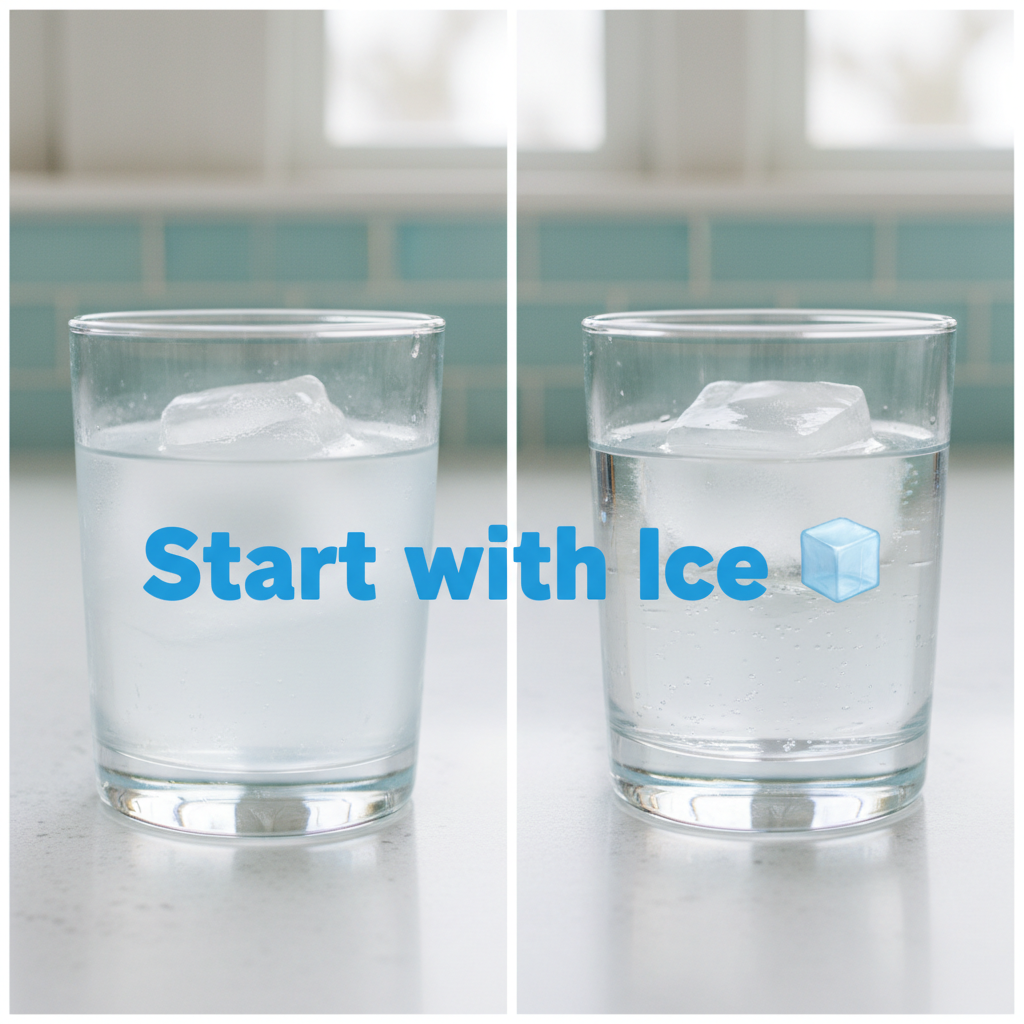
My 20-year-old self thought water was just water—until I met hard-water scale, cloudy glasses, and “pool smell” showers. This post shares the things I wish I knew earlier: ice is frozen tap flavor, hot water makes odors louder, and small upgrades beat big intentions. You’ll get a starter ladder—pitcher, countertop, under-sink, then whole-home—plus the 7-day taste test that converts skeptics. We’ll also cover simple maintenance: aerator cleaning, filter-change reminders, and bottle hygiene. If you want a plan that fits your home, take the Water Health Check and book a Water Health Consult without overbuying or guessing today.
If Tap Water Had a Yelp Page
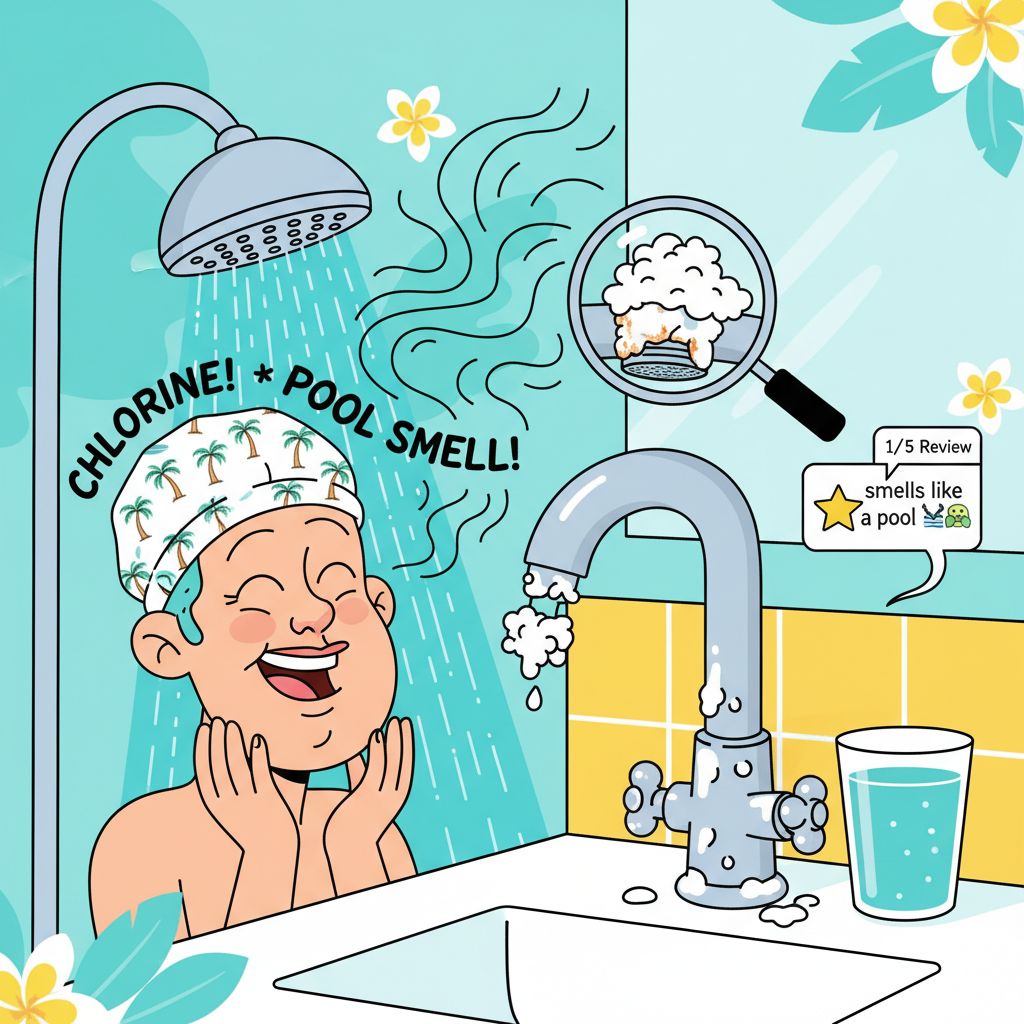
If tap water had a Yelp page, the reviews would be wild: “Great pressure, weird aftertaste,” “Smells like a pool in the shower,” and “My dishwasher needs therapy.” This post turns those ‘reviews’ into a plan. We’ll show what causes complaints—chlorine/chloramine odor, hard-water scale, and first-draw funk—and the fixes: clean the aerator, make filtered ice for a week, and start with a pitcher or countertop filter. Homeowners can level up to under-sink or whole-home when ready. Take the Water Health Check, then book a Water Health Consult for a plan that fits your home and budget today.
What I Want My Grandkids to Know About Water
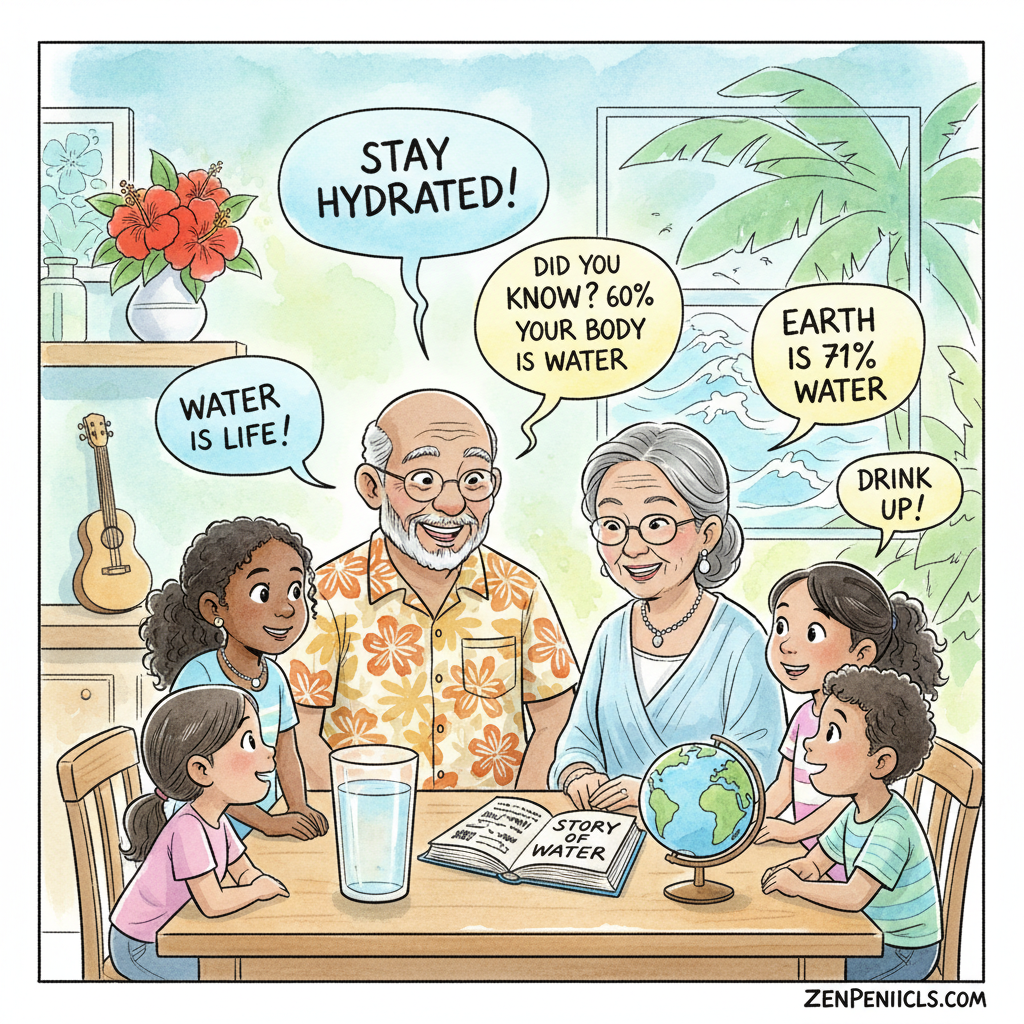
What I want my grandkids to know about water is simple: it’s not just what you drink. It’s what you cook with, what freezes into your ice, and what turns into shower steam. “Safe enough” can still taste off or scale up appliances. This post shares a hopeful path: start with one upgrade you’ll keep—a pitcher or countertop filter—then level up to under-sink or whole-home when you’re ready. You’ll get a checklist and an easy way to involve the family. Take the Water Health Check, then book a Water Health Consult to choose your next step confidently today.
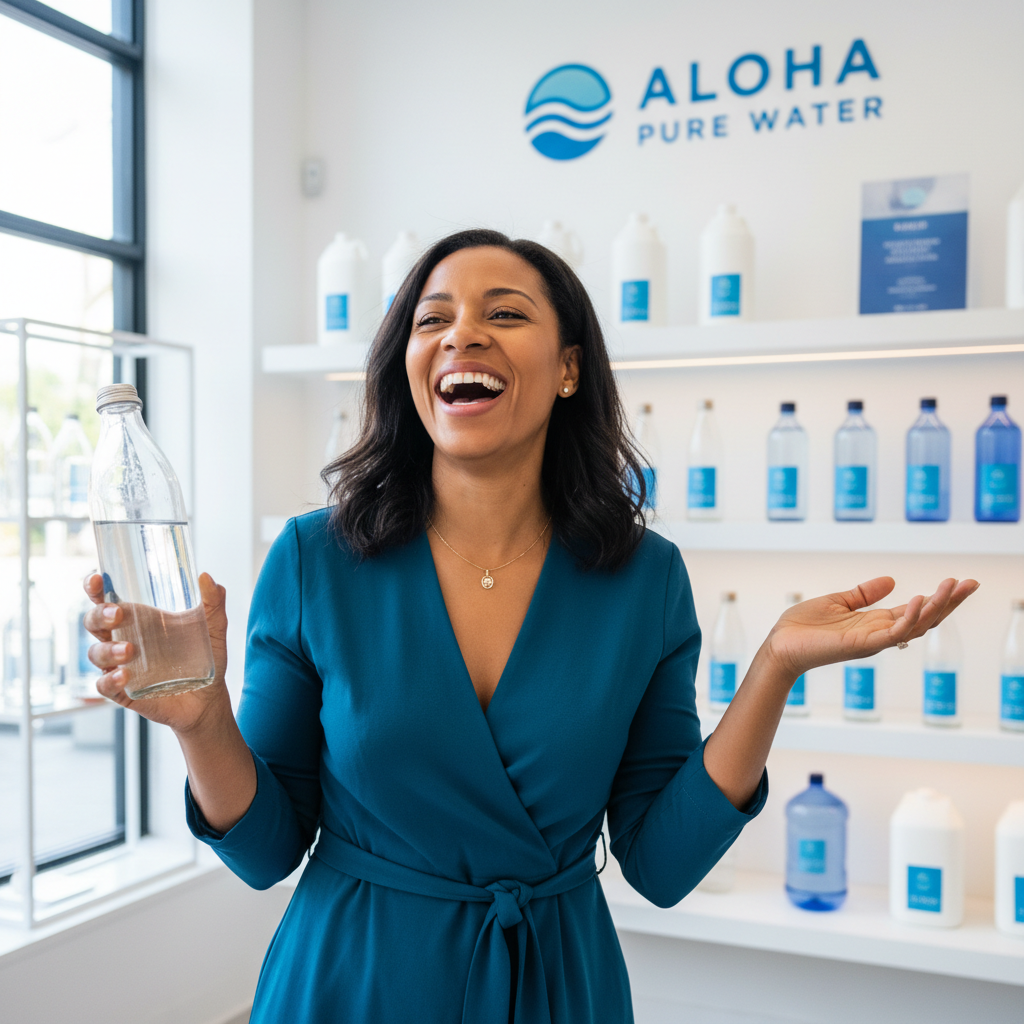
From Skeptic to Super Fan: How One Customer Switched
One customer came in a skeptic: “My water is fine—filters are a scam.” Then we did two things: we tested, and we ran a taste experiment with filtered ice. That was the turning point. This post walks through the objections we hear (cost, maintenance, fear of upsells) and the path that converts skeptics into super fans: start with a pitcher or countertop filter, upgrade to under-sink for drinking water, and add shower comfort if needed. You’ll get USA-made accessory picks and a reminder system for cartridges. Take the Water Health Check, then book a Water Health Consult.
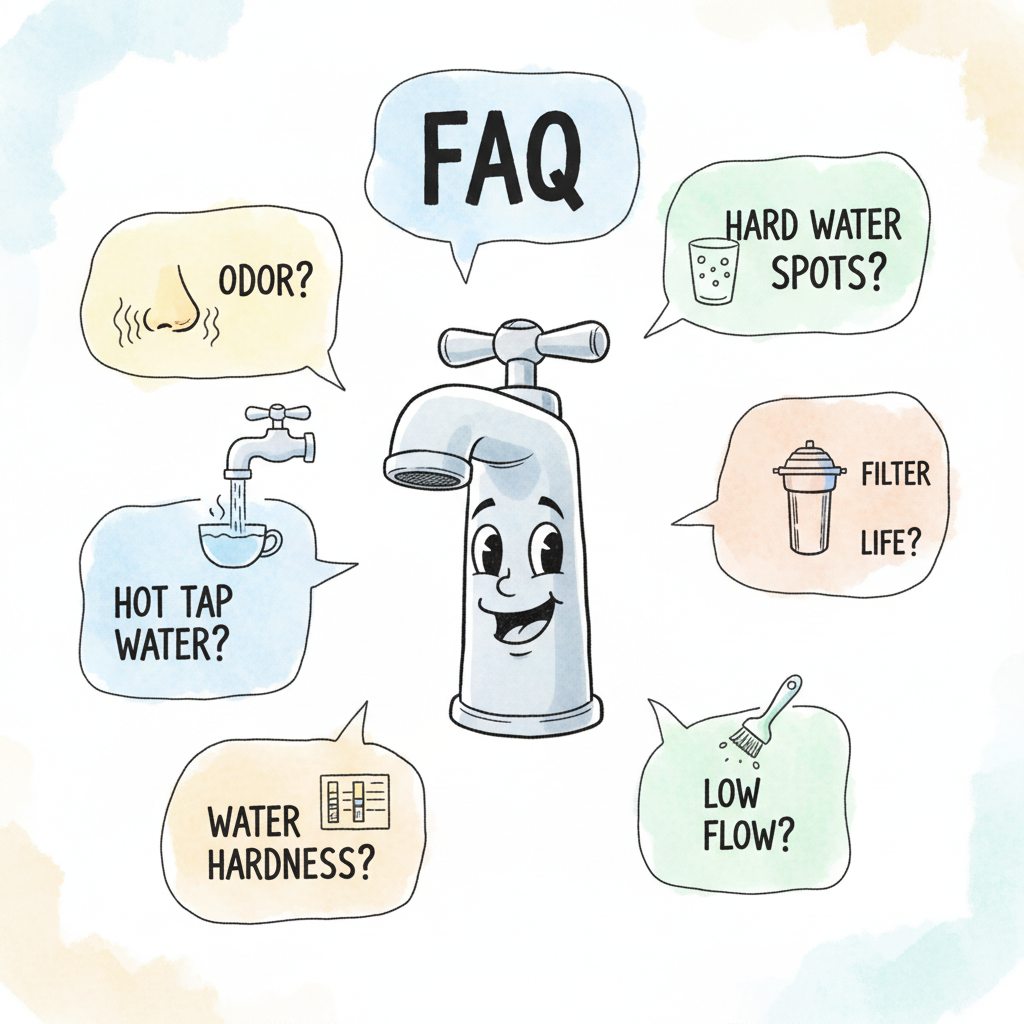
The “I’m Embarrassed to Ask This” Questions (We’ve All Asked)
The “I’m embarrassed to ask this” water questions are the ones we hear most: “Is it normal for my shower to smell like a pool?” “Why are my dishes spotty?” “Can I drink hot tap water?” This post answers them in plain English, with next steps: clean the aerator, test hardness, start with a pitcher or countertop filter, and consider under-sink for drinking water. We’ll add comfort wins like filtered ice and a shower filter experiment, plus a reminder system so you don’t forget cartridges. Take the Water Health Check, then book a Water Health Consult for your home.
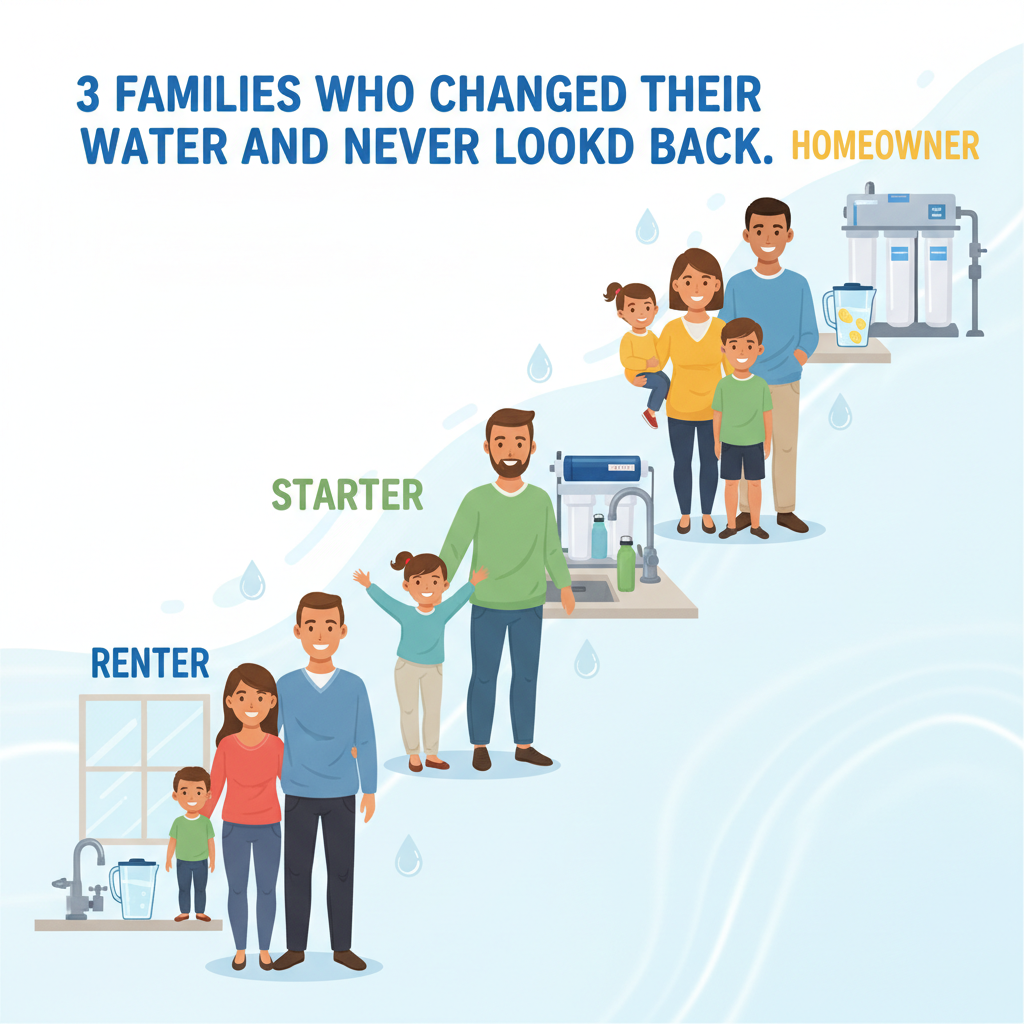
3 Families Who Changed Their Water and Never Looked Back
Three families changed their water and never looked back: a renter who started with a shower filter and pitcher, a household that upgraded to an under-sink system, and a homeowner who addressed hardness to protect appliances. This post shares what they noticed first—better taste, easier showers, less scale—and what made it stick: simple routines and the right system level. You’ll get a decision guide (renters vs homeowners), USA-made picks, and a proof test: filtered ice for one week. Take the Water Health Check, then book a Water Health Consult for a plan that fits your family.

The Day a Customer Brought Us Brown Water in a Jar
One day a customer walked in with brown water in a jar. Funny? A little. Helpful? Absolutely—because it made the problem visible. This post explains what brown water can mean (sediment, disturbed lines, plumbing issues), the first safe steps (flush, check aerators, document), and when to test. We’ll show the practical upgrade path: a sediment prefilter, a kitchen drinking-water filter, and—if needed—a whole-home plan that protects appliances. You’ll also get a simple checklist of USA-made accessories to keep maintenance easy. Take the Water Health Check, then book a Water Health Consult for your home today.
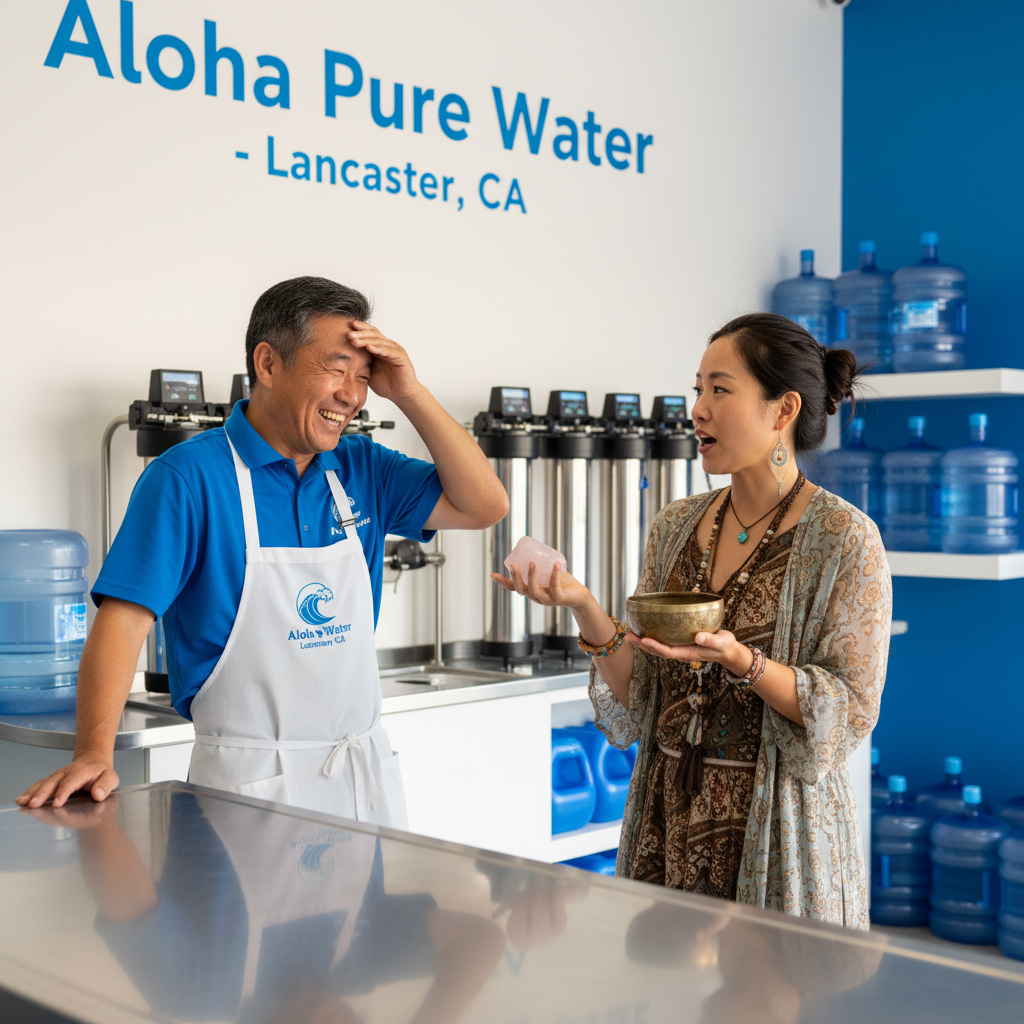
The Funniest Question I’ve Ever Been Asked About Water
The funniest water question I’ve ever been asked? “Can I filter my tap water by positive vibes and a crystal?” I laughed, then I explained: different problems need different tools—carbon for taste/odor, sediment filters for grit, and RO for deeper polishing. This post keeps it light while giving clear next steps: run a quick test, start with a pitcher or countertop filter, upgrade to under-sink for daily drinking water, and don’t forget filtered ice. You’ll also get a simple shower comfort plan. Take the Water Health Check, then book a Water Health Consult for your home today.
Water Mistakes I See Every Week in the Shop
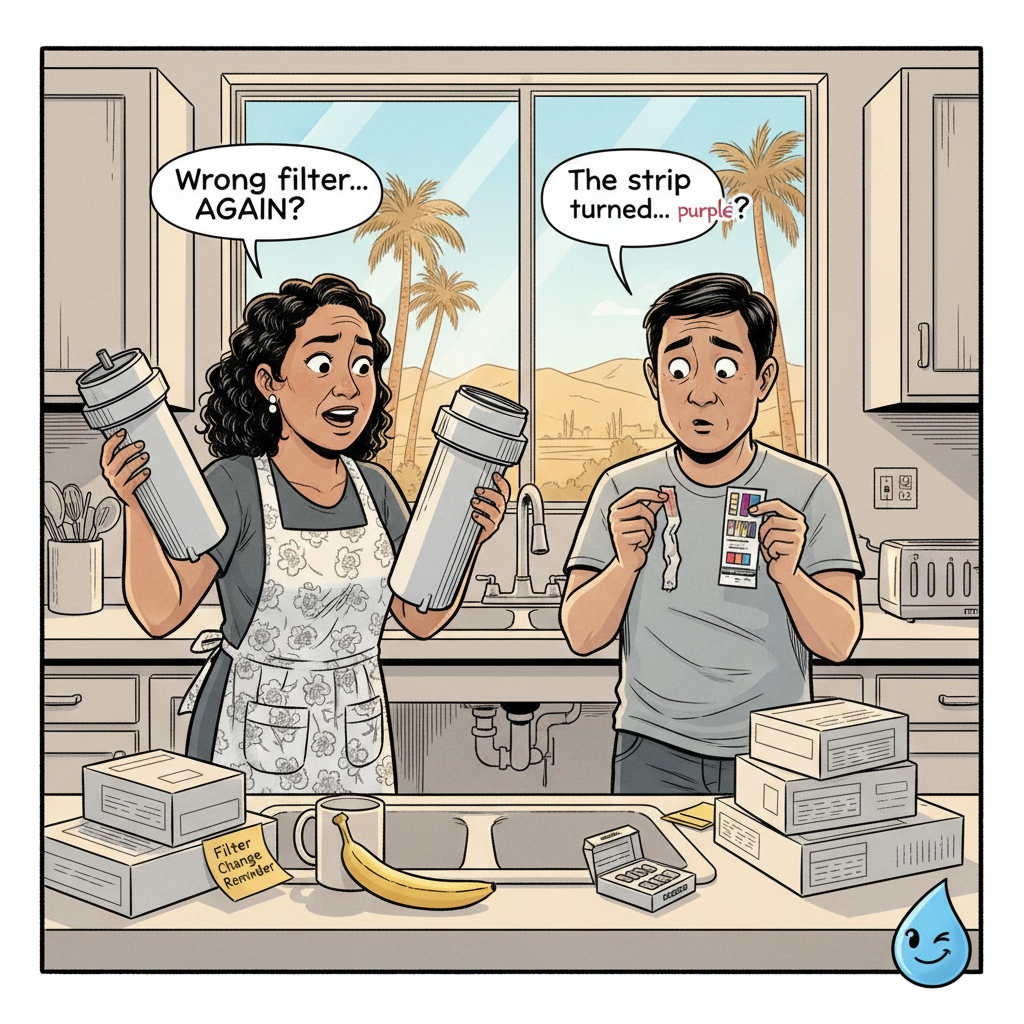
Every week in the shop, I see the same water mistakes: buying random filters without testing, forgetting cartridge changes, and trying to “fix taste” with bottled water. This post gives the checklist: start with a simple test kit, match the right filter to the problem (taste, odor, hardness, sediment), and set a change reminder. We’ll cover the fastest wins—filtered ice, a shower filter, and a kitchen pitcher or countertop unit—plus when under-sink or whole-home makes more sense. Take the Water Health Check, then book a Water Health Consult so you get it right the first time.
The Filter I Wish I’d Bought 10 Years Ago
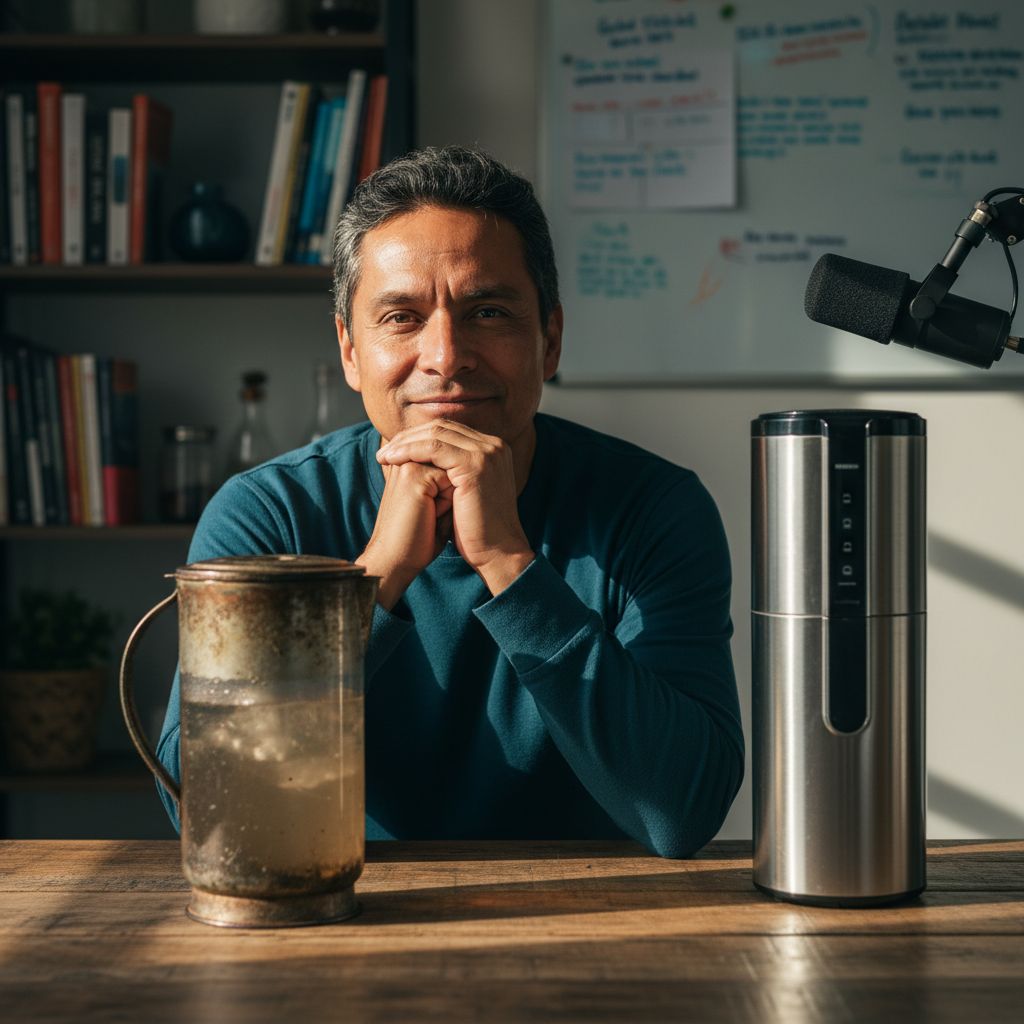
If I could go back 10 years, I’d buy one simple kitchen water upgrade first: an under-sink drinking water filter. It’s the driver—coffee, tea, pasta, ice, baby cups—so taste improves fast and habits stick. This post shares the ROI logic, the mistakes to skip, and how renters can start with a pitcher or countertop filter while homeowners go under-sink or RO. You’ll also learn when a shower filter makes sense for comfort. Take the Water Health Check, then book a Water Health Consult for a plan that fits your home and budget—no overbuying, no guessing.
Lancaster Love, Chlorine Not So Much
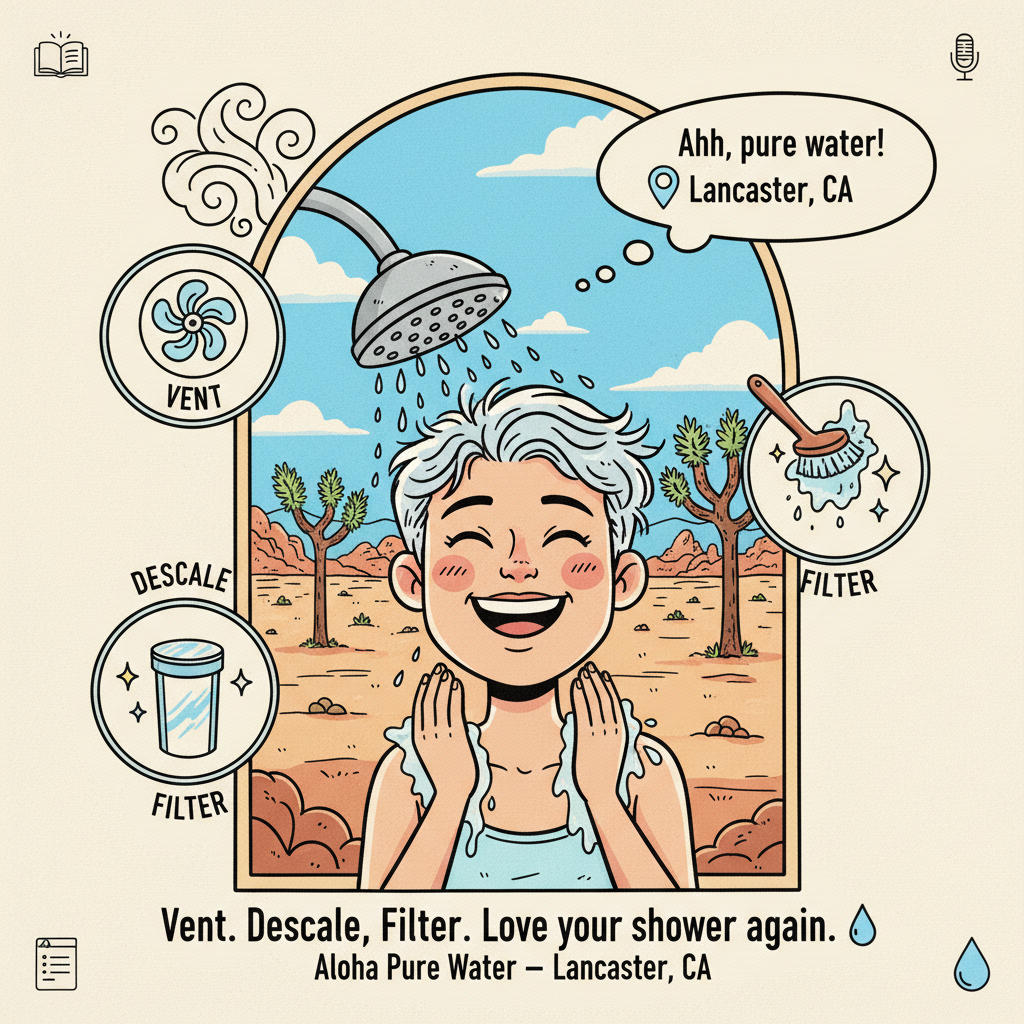
Lancaster love is real. Chlorine smell in the shower? Also real. City water can meet guidelines and still feel harsh in hot steam, especially in desert homes with hard-water minerals. This post keeps it practical: vent the bathroom, descale the shower head, try a shower filter for comfort, and upgrade kitchen drinking water with a pitcher/countertop or under-sink system. If you want clarity, compare your local water report with a simple home test kit. Protect your family’s wellbeing through ingestion, inhalation, and absorption—without panic-Googling at midnight. Take the Water Health Check, then book a Water Health Consult today, locally.

School Fountains, Sports Practices, and Our Kids
School fountains and sports practices can turn hydration into a daily debate. If kids won’t drink water that tastes “off,” they sip less—then everyone’s cranky. This post offers a calm plan for Antelope Valley families: send an insulated bottle filled at home with filtered water, pack filtered ice, and keep a backup filter bottle for tournaments and travel days. Clean lids and straws with a brush set so bottles never smell weird. Start with a pitcher/countertop filter, then upgrade under-sink for effortless refills. Take the Water Health Check, then book a Water Health Consult for your home, today, easily.

Community Potlucks and the Mystery Punch Bowl
Community potlucks are pure joy—until the punch bowl tastes like “tap water with a backstory.” The culprit is often ice and mixing water: chlorine/chloramine taste, plus minerals that dull flavors. This post shares the easy hosting fix: make ice with filtered water, fill the dispenser from a pitcher or countertop filter, and use clean glassware so odors don’t cling. Bring your own filtered water for coffee and tea too—people notice. Small upgrades, big confidence. Take the Water Health Check, then book a Water Health Consult so your next potluck is remembered for the recipe, not the water, ever.
Why My Neighbor’s Plants Thrive and Mine Just Survive
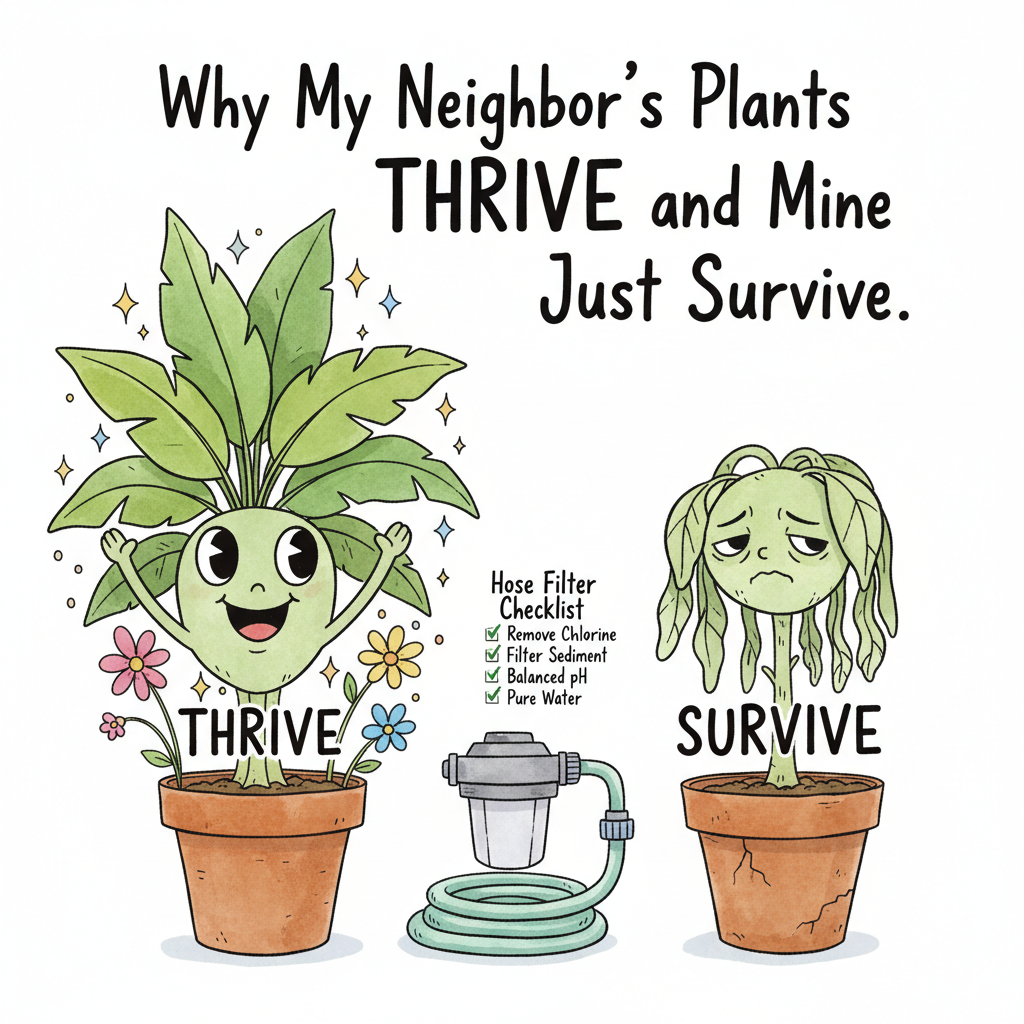
Your neighbor’s plants thrive while yours just survive? In desert climates, water quality and minerals can matter as much as sunlight. This post explains how hard water scale can crust soil and pots, and how disinfectant smell can make watering feel “off.” Try a hose filter for garden watering, use a watering can, and test your water so you know what you’re working with. For indoor plants, let water reach room temp and avoid over-soaping pots. Small changes add up. Want a home plan that helps people and plants? Take the Water Health Check, then book a Water Health Consult.

Local Cafés, Great Coffee, and Their Water Secrets
Ever notice local café coffee tastes smoother than your home brew? Many cafés protect machines and flavor with filtration or reverse osmosis. This post shows how to steal that “coffee shop water” advantage at home: use filtered water for coffee and ice, descale kettles and brewers, and consider a countertop filter (renters) or under-sink/RO system (homeowners) for consistent taste. If you’re in Lancaster or Palmdale and your tap has a chlorine note, this is your fastest win. Better water also protects your espresso machine long-term. Take the Water Health Check, then book a Water Health Consult for the right setup.

Desert Living and the Myth of “Just Drink More Water”
Desert living in the Antelope Valley makes “just drink more water” sound simple—until your tap tastes off. Heat, dry air, and hard-water minerals can make hydration harder, not easier. This post gives a practical daily desert routine: keep cold filtered water ready, make ice with filtered water, use an insulated straw bottle you’ll actually carry, and consider a pitcher/countertop or under-sink filter for consistent taste. Add a humidifier with filtered water for comfort in dry bedrooms, especially at night. Start small, stay consistent. Take the Water Health Check, then book a Water Health Consult for your best next step.
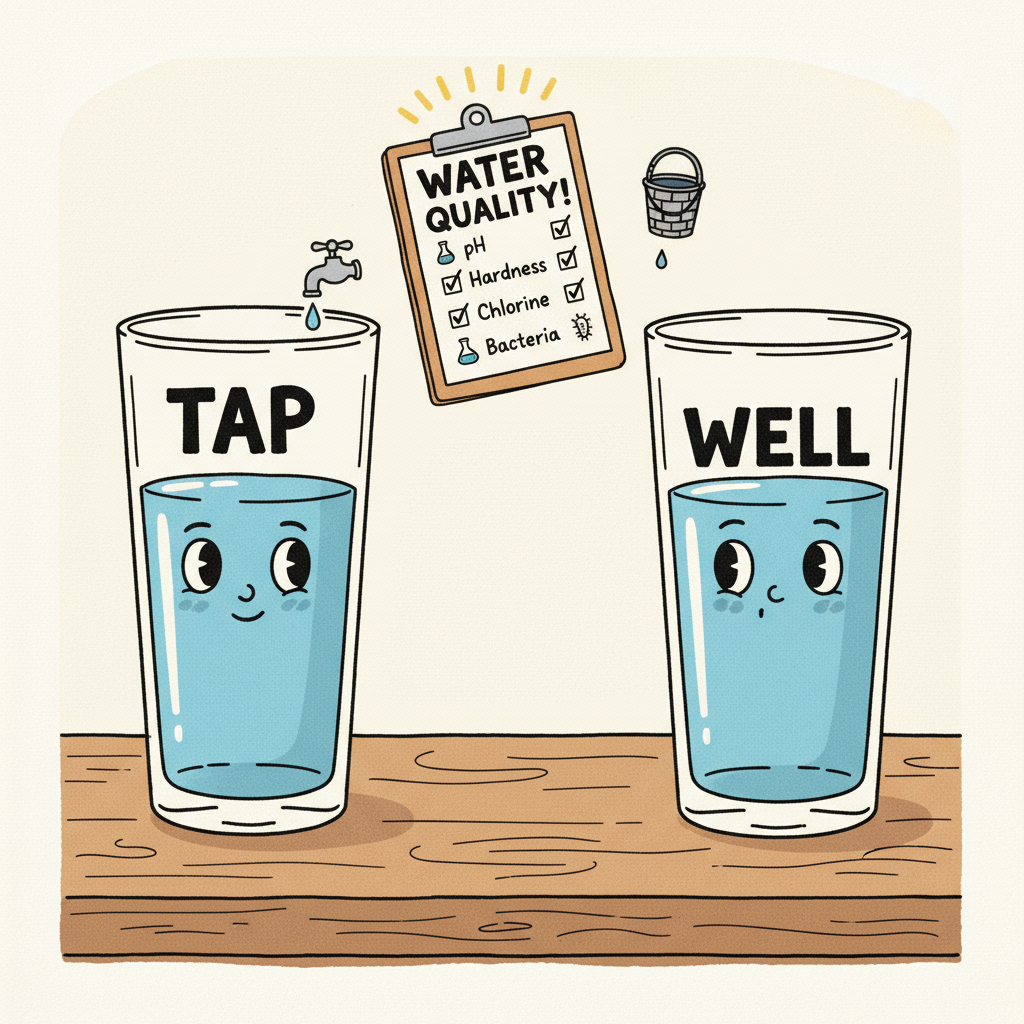
Lancaster Tap Water vs My Auntie’s Well Water
Lancaster tap water and Auntie’s well water can taste worlds apart. City water is treated with disinfectants; well water varies by minerals and plumbing. This post explains the difference, when to test, and easy upgrades: a pitcher or countertop filter for cooking and baby bottles, an under-sink system for drinking water, and shower comfort options. If you’re on a well, a professional test is smart before buying equipment. If you’re on city water, start with your local report plus a simple home test kit. Take the Water Health Check, then book a Water Health Consult for a plan that fits.

The Wellness Trend Nobody Talks About: Water Exposure
Wellness trends track macros, steps, and sleep, but rarely water exposure: what you drink, cook with, breathe as shower steam, and absorb on skin. This post reframes better water as a daily comfort system: cleaner-tasting drinking water, clearer ice, calmer showers, and less scale in appliances. Start small (pitcher/countertop), then level up to under-sink or whole-home based on goals. Add a reusable bottle and kettle to support routines you’ll keep. Use a humidifier with filtered water to cut mineral dust and a simple habit tracker to stay consistent. Take the Water Health Check, then book a Water Health Consult.
Why My Reusable Bottle Smells Like Regret
If your reusable bottle smells like regret, it’s usually biofilm hiding in lids, straws, and valves—not “bad water.” This post gives a calm reset: use a bottle brush set that reaches tight spots, drop in cleaning tablets weekly, and air-dry on a rack so parts fully dry. Choose a dishwasher-safe, wide-mouth stainless bottle, and avoid leaving sugary drinks overnight. Replace worn gaskets when needed. If your tap tastes off, start with a pitcher or countertop filter so you actually want to drink it. Take the Water Health Check, then book a Water Health Consult for your home’s best setup.