
The Hidden Challenge in Your Water: How Chloramine Impacts Health and Home Filtration Systems
The Hidden Challenge in Your Water: How Chloramine Impacts Health and Home Filtration Systems
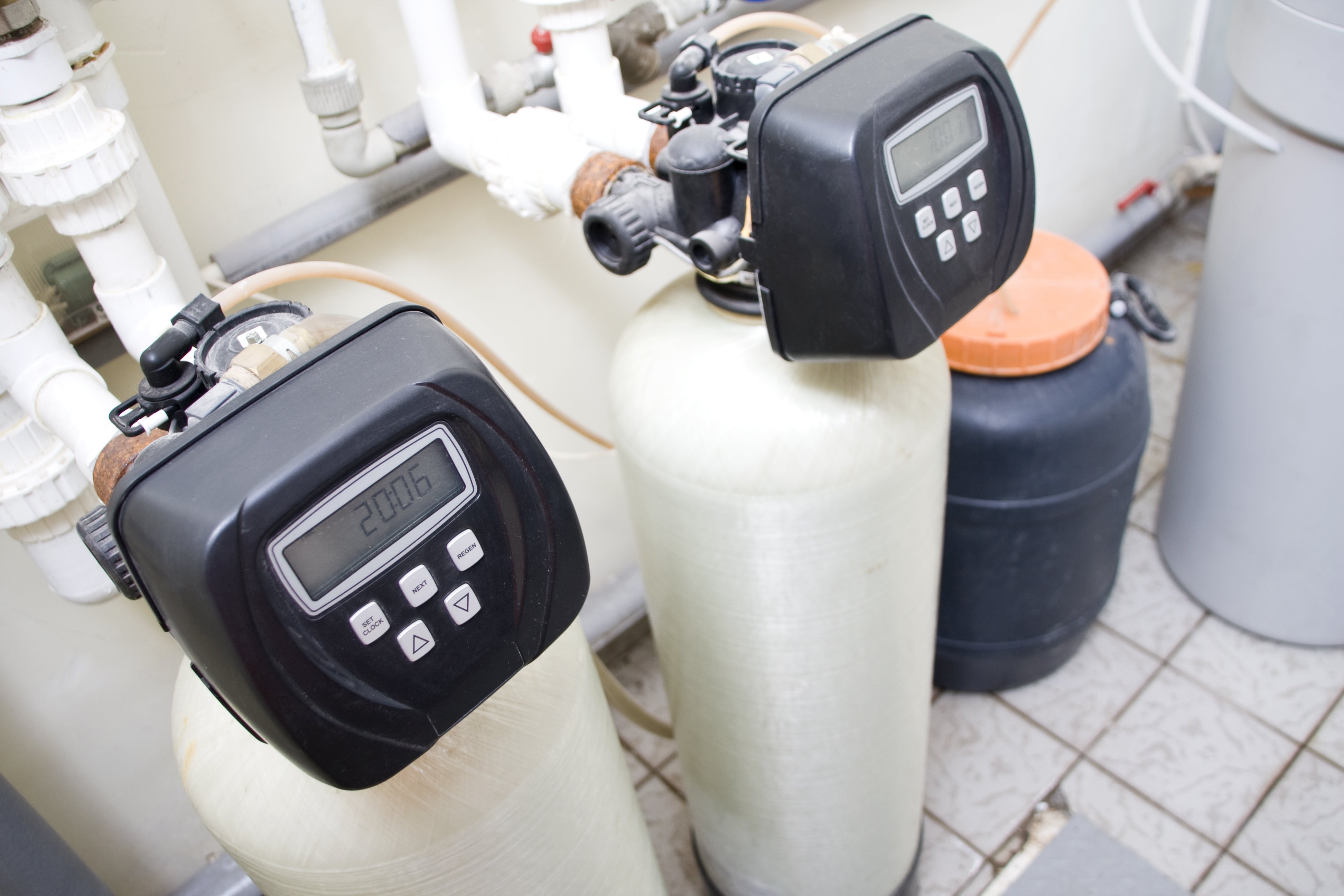
Many cities now use chloramine—a mix of chlorine and ammonia—to disinfect drinking water. While it lasts longer than chlorine, it’s harder to remove and can irritate skin, eyes, and lungs. Chloramine may also cause lead to leach from older pipes. For homeowners, it can damage reverse osmosis membranes, shorten carbon filter life, and degrade water softener resin. To protect your health and systems, install a catalytic carbon pre-filter and replace filters regularly. Though chloramine keeps water safe from bacteria, it’s harsh on people and plumbing—making proper filtration essential for long-term clean, healthy water.
Sleep, Snoring, and the 3 AM Water Run
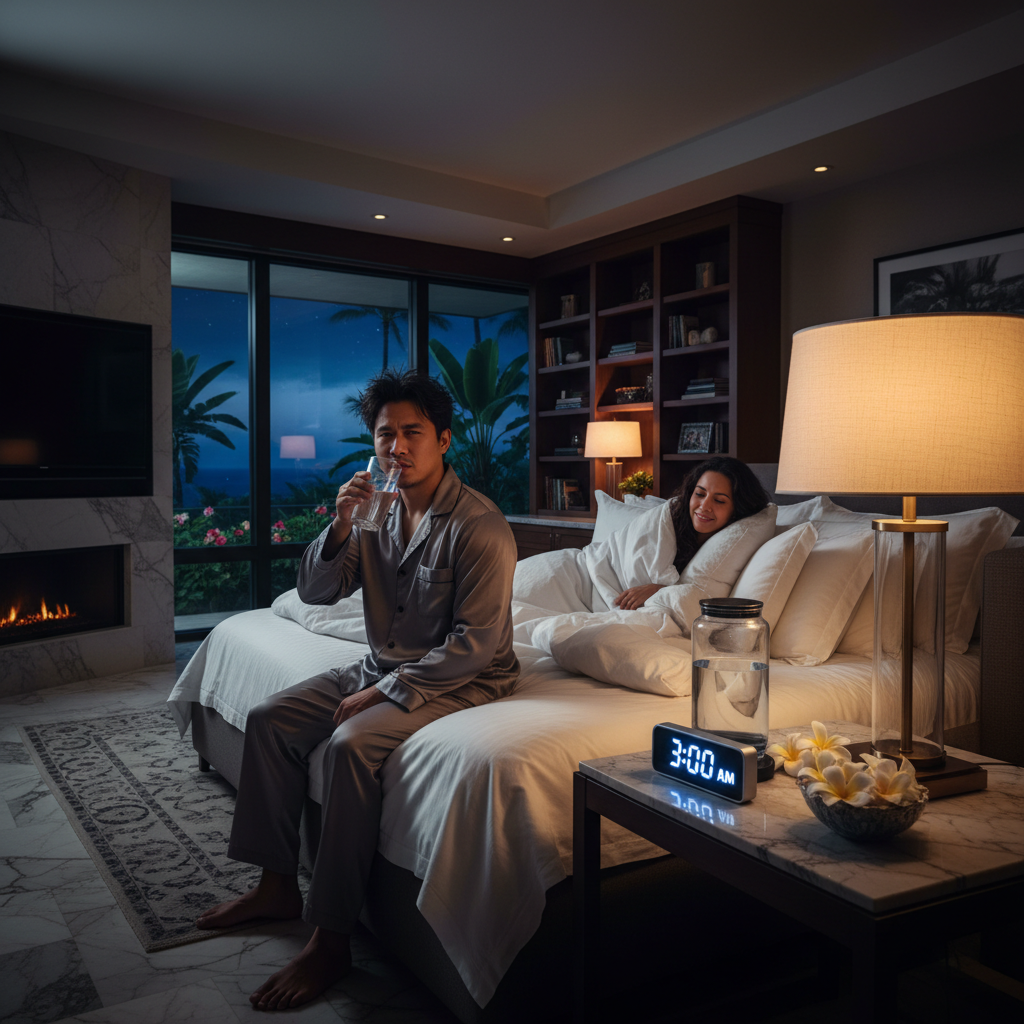
Doing the 3 a.m. water run? Dry air and warm rooms can leave you waking thirsty. This comfort-first post shares wins: keep a bedside carafe, use a straw bottle for quiet sips, and run a humidifier if your room is dry (use filtered water to reduce mineral dust). Start with better-tasting water (pitcher/countertop) so hydration is effortless. Add a humidity monitor for comfort, and an electric kettle for caffeine-free tea before bed. Set a reminder to refill daily. Persistent snoring or sleep issues deserve a clinician check-in. Take the Water Health Check, then book a Water Health Consult.
Gym Water Fountain or Sink at Home?
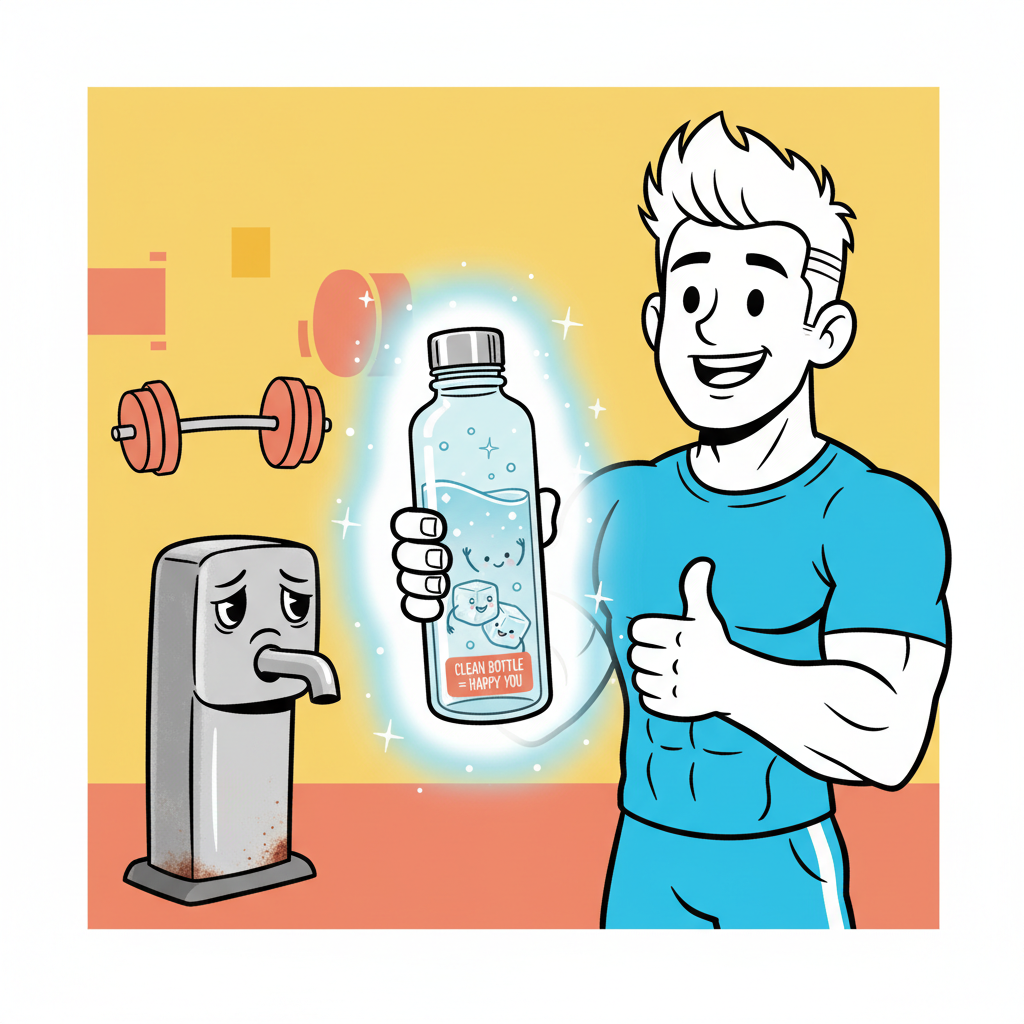
Gym water fountain or sink at home—why do both feel like a gamble? Chlorine taste, warm pipes, and funky bottle lids can ruin “healthy hydration” fast. This post offers a simple system: fill a bottle at home with filtered water, add filtered ice, and bring a filter bottle for travel days. Use a bottle brush set plus cleaning tablets so your reusable bottle never smells like regret. If you want consistent taste at home, start with a pitcher or countertop filter, then consider under-sink for drinking water. Take the Water Health Check, then book a Water Health Consult.
That One Time I Tried to Drink a Gallon a Day
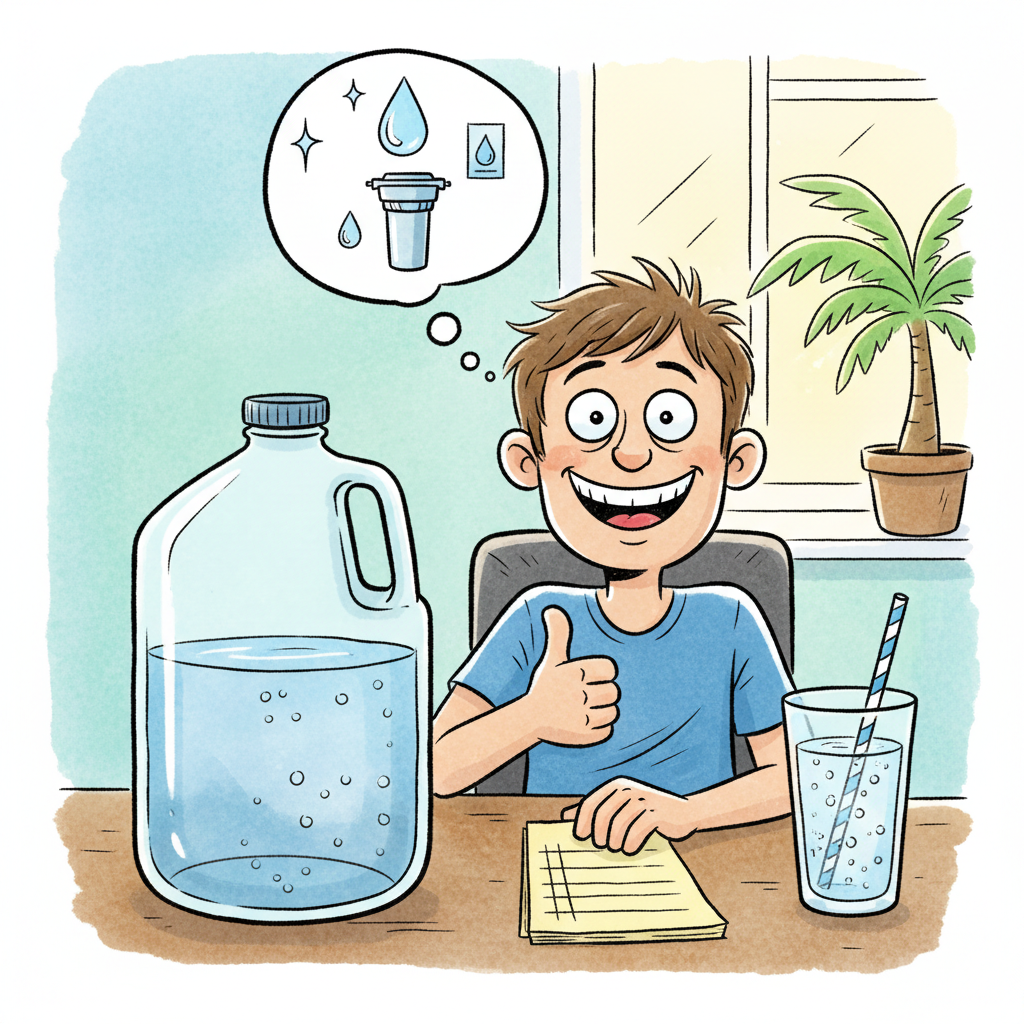
I tried to drink a gallon a day and discovered two things: your bottle is heavy, and your bathroom schedule becomes a part-time job. But the real make-or-break is taste. If your water tastes like chlorine, you won’t hit your goal. This post shares an approach: start with filtered water (pitcher/countertop/under-sink), use a marked gallon bottle or tracker, choose a straw lid for easy sips, and keep a bottle in the car. Add filtered ice and a kettle for herbal tea variety. Take the Water Health Check, then book a Water Health Consult for the right setup.

Hydration Goals vs “I Don’t Trust the Tap”
Hydration goals die fast when you don’t trust the tap. If water tastes “off,” you drink less, snack more, and wonder why you feel foggy. This post keeps it simple: make water taste better first (pitcher, countertop, fridge, or under-sink filter), then make drinking easier (insulated bottle, straw lid, flavor-infuser, and a habit tracker). Use filtered ice so every sip stays clean-tasting, and set a realistic target you’ll actually hit. Start with one bottle a day consistently. Want the right filter level for your home and budget? Take the Water Health Check, then book a Water Health Consult.

Why Your Favorite Hoodie Feels Like Sandpaper Now
If your favorite hoodie suddenly feels like sandpaper, it’s often mineral residue + detergent buildup, not your imagination. Hard water can leave fabric coated, making soft fleece feel rough and “crunchy.” This post offers quick wins: wash cold, use less detergent, add an extra rinse, and do a gentle reset wash with oxygen booster. Skip fabric softener and use wool dryer balls instead. If the washer smells or has scale, run cleaner tablets monthly. Want the real fix? Reduce hardness at the source. Take the Water Health Check, then book a Water Health Consult and your hoodie goes back to cozy.
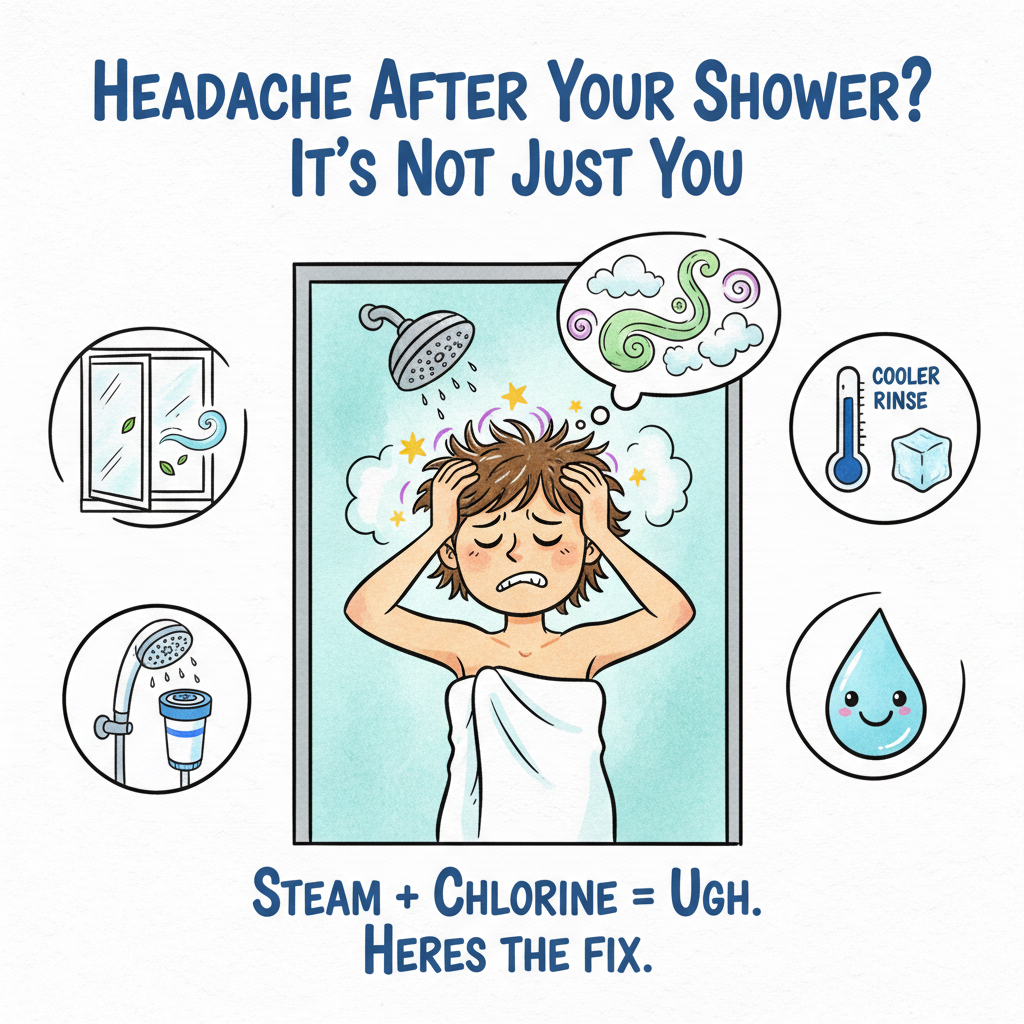
Headaches, Showers, and the “Is It Just Me?” Question
Ever step out of a hot shower with a head and think, “Is it just me?” Steam can amplify chlorine/chloramine odor, heat can dry you out, and a stuffy bathroom can feel like a sauna. This comfort-first post shares daily wins: ventilate, shorten the hottest minutes, finish with a cooler rinse, and try a shower filter. Support hydration with better-tasting water (pitcher or countertop filter), and track what days feel best. Persistent or severe symptoms deserve a medical check-in. Want a plan that fits your home and budget? Take the Water Health Check, then book a Water Health Consult.
Your Washing Machine Is Coughing (Listen)
If your washing machine is “coughing”—smelling funky, leaving residue, or sounding gritty—listen. Hard water scale, detergent film, and trapped gunk can reduce performance and shorten appliance life. This post keeps it practical: run a USA-made washer-cleaner tablet monthly, wipe the gasket, clean the detergent drawer, and use less soap with an extra rinse. If scale is heavy, use a descaler made for washers (follow label). For prevention, treat hardness upstream so buildup stops returning. Take the Water Health Check, then book a Water Health Consult for your home’s best plan and keep your machine running quietly for years.
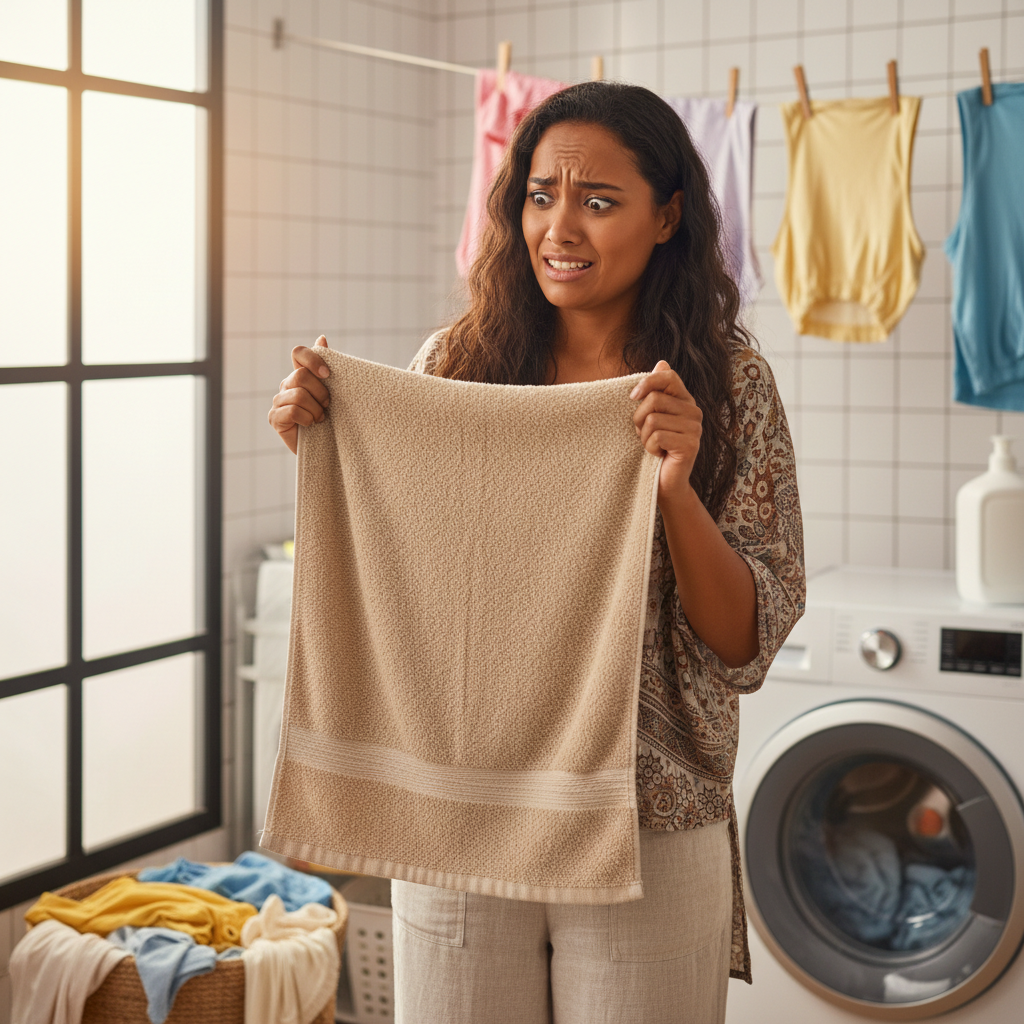
Laundry Day and the Hard Water Hangover
Hard water hangover is when laundry looks “done” but feels wrong: stiff tees, scratchy towels, cloudy whites, and a washer that smells tired. Hard water minerals fight soap, create film, and build scale inside appliances. This post lays out a simple playbook: test hardness, reduce detergent, add an extra rinse, use an oxygen booster or washing soda, and run washer-cleaner tablets monthly. Swap dryer sheets for wool dryer balls. Then decide: kitchen-only filtering, laundry-focused treatment, or whole-home protection. Take the Water Health Check, then book a Water Health Consult for a clear plan so laundry feels better, week after week.
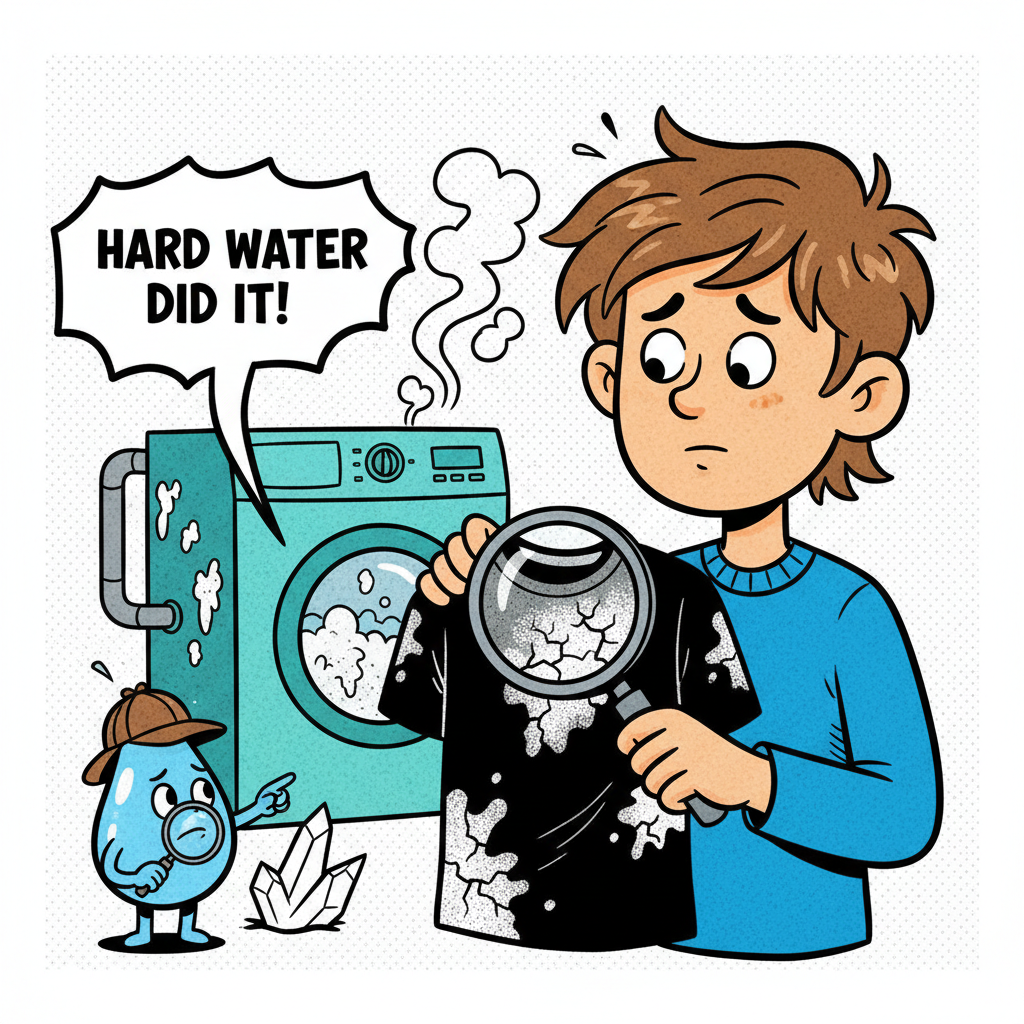
The Mysterious Case of the Fading Black T-Shirt
If your black T-shirt fades fast, it’s not just “cheap fabric.” Heat, overdrying, and hard water minerals can rough up fibers and leave residue that makes dark colors look dusty. This post gives easy wins: wash cold, turn darks inside out, use a darks-friendly detergent, and skip dryer sheets for wool dryer balls. Add a laundry booster made for hard water if you see buildup. If your washer has scale, run a cleaner tablet cycle monthly. Want a long-term fix? Treat hardness at the source. Take the Water Health Check, then book a Water Health Consult for your home today.
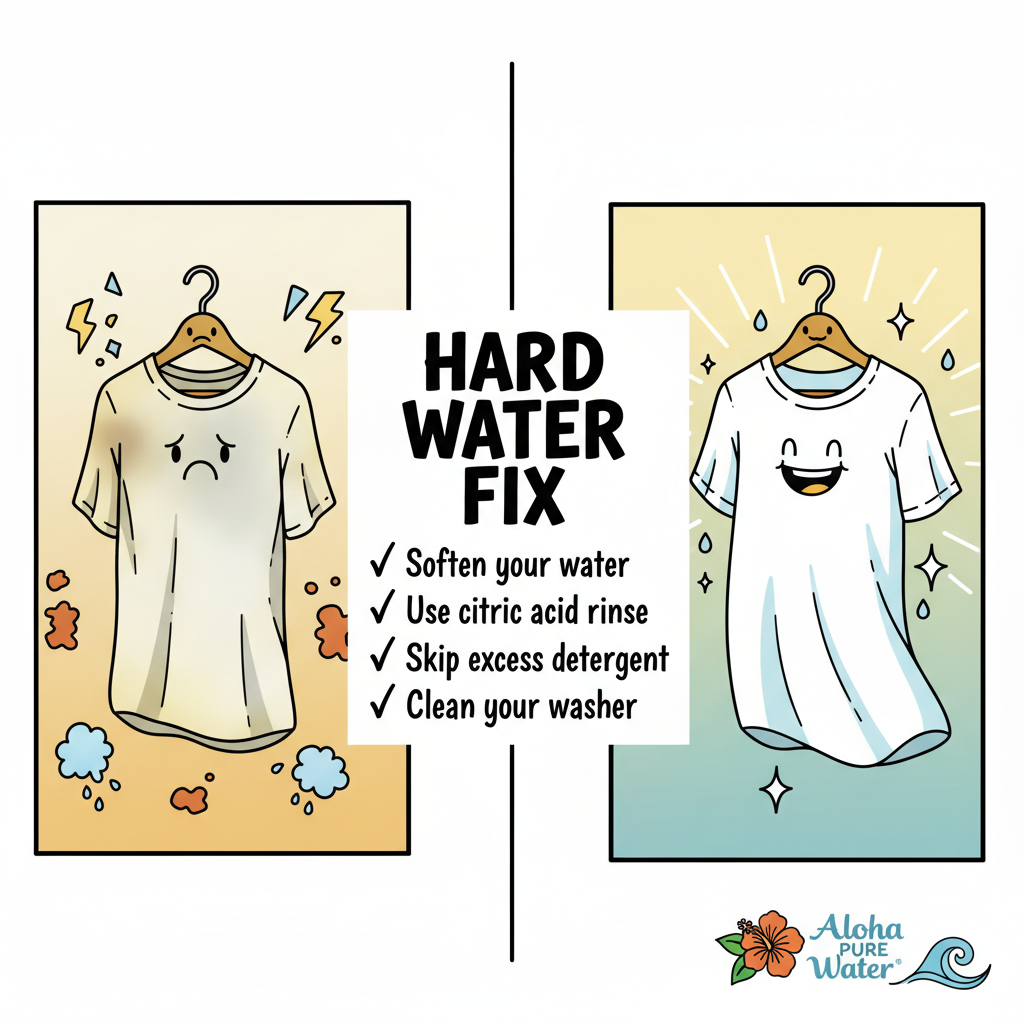
When Your Whites Turn… Not White
If your whites turn gray, yellow, or “not quite white,” hard water and residue are usual suspects. Minerals can lock in detergent buildup, and iron can leave faint staining that makes shirts look tired. This post covers fast fixes: sort properly, use an oxygen booster, add a laundry bluing product occasionally, and run a hot washer-clean cycle monthly. Test hardness and check your water report if staining keeps returning. For the real fix, reduce hardness at the source. Take the Water Health Check, then book a Water Health Consult to choose the right level for your home and budget, confidently.

Towels That Never Feel Truly Clean (It’s Not Just Detergent)
Towels that never feel truly clean usually aren’t a “you problem.” Hard water minerals, body oils, and detergent buildup can create a film that reduces absorbency and leaves towels musty or scratchy. This post keeps it simple: wash hot when safe, use less detergent, add an extra rinse, and do a monthly towel reset with oxygen booster + washing soda. Skip fabric softener and switch to wool dryer balls. If your washer smells, run a cleaner tablet cycle. Take the Water Health Check, then book a Water Health Consult for the next step—kitchen-only, laundry-focused, or whole-home—right for your family.
Why Your Clothes Feel Like Cardboard
Clothes feel stiff like cardboard after washing? Hard water minerals can cling to fabric, trap detergent residue, and make everything feel rough—even when it smells “clean.” This post shows quick wins: cut detergent, add an extra rinse, use a hard-water laundry booster (washing soda/oxygen booster), and skip waxy dryer sheets for wool dryer balls. If your washer has buildup, run a monthly machine-cleaner cycle. For long-term results, treat hardness at the source with the right home water plan. Take the Water Health Check, then book a Water Health Consult to match solutions to your budget today, easily.
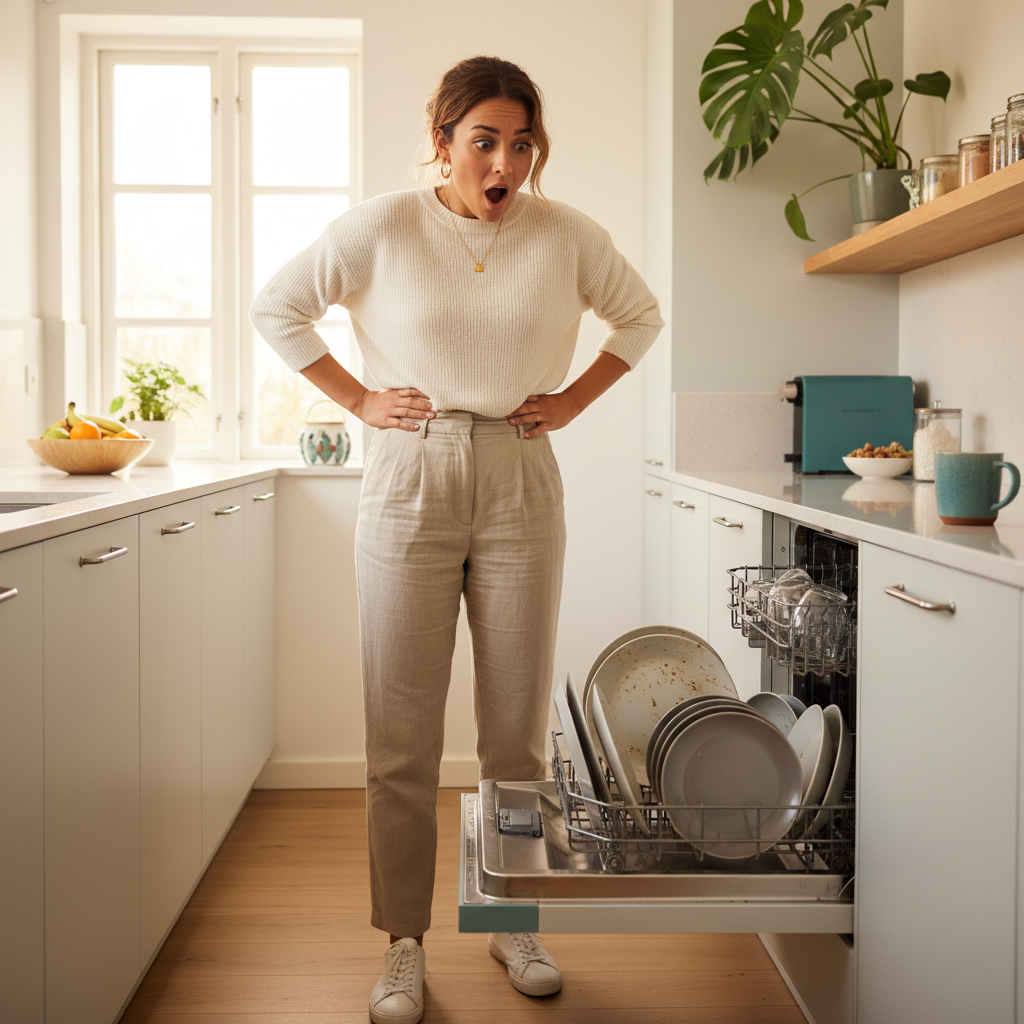
Dishwasher Russian Roulette: Will This Load Look Clean?
Dishwasher roulette—will this load look clean? Hard water minerals cause white spots, cloudy film, and crusty buildup, even with “premium” pods. This post shares quick wins: use a USA-made rinse aid, run a dishwasher cleaner monthly, and adjust detergent amount for your hardness level. Confirm with test strips, then choose the right fix: a kitchen filter for drinking + cooking, or a whole-home approach to protect expensive appliances for years ahead. Stop re-washing dishes and wasting weekends. Take the Water Health Check, then book a Water Health Consult for the right solution so your dishes look perfect.
That One Sink You Just Don’t Trust
Everyone has one sink they don’t trust. Maybe it tastes metallic, smells weird, or leaves spots on everything. This post shows a no-drama reset: clean the aerator, replace old supply lines if needed, and test hardness and chlorine with simple strips. For immediate relief, use a faucet-mount or countertop filter and switch to filtered ice. Pair it with USA-made dish soap, a bottle brush that reaches valves and straws, and a drying rack that actually drains. Trust your kitchen again, quickly. Take the Water Health Check, then book a Water Health Consult for a whole-kitchen plan.
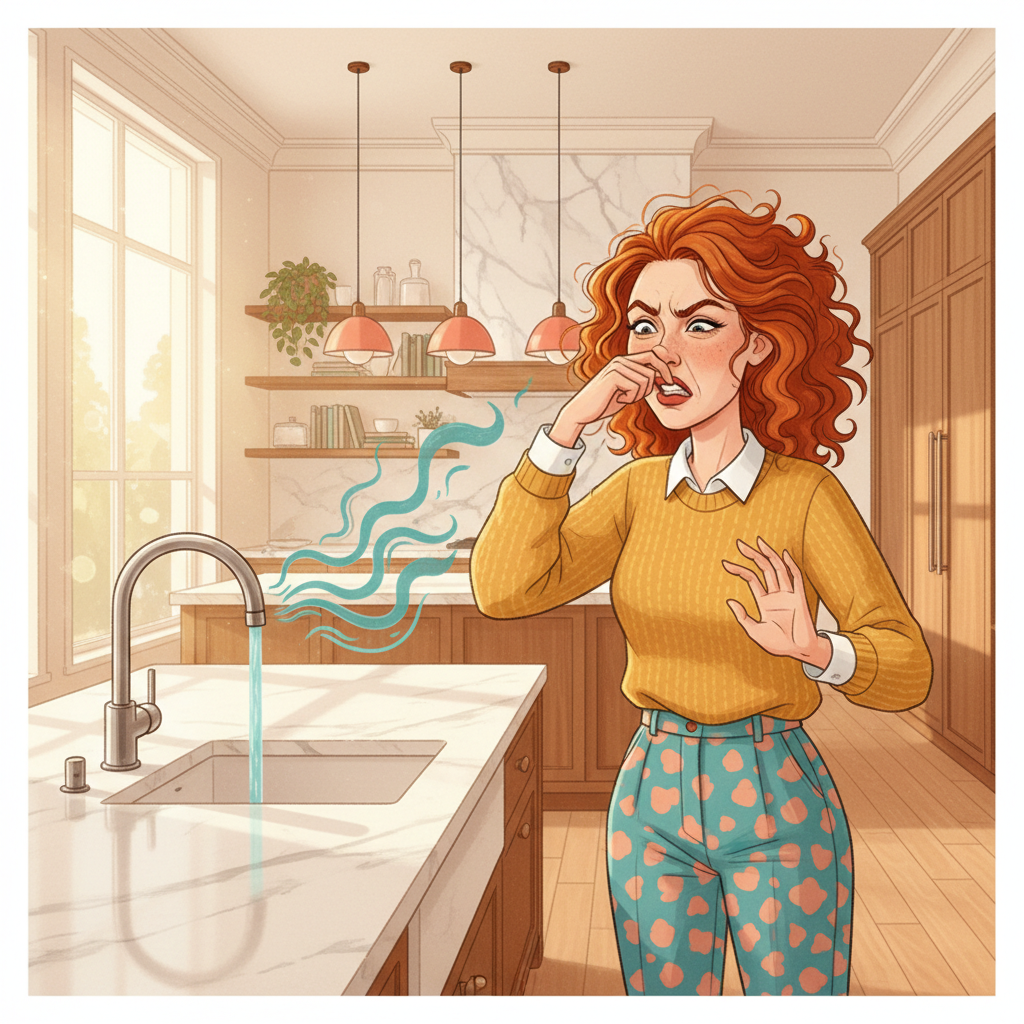
The Smell That Comes Out When You Run the Tap
That smell when you run the tap is a clue. First-draw water can pick up odors from plumbing, aerators, or disinfectants like chlorine/chloramine. This post keeps it practical: run water 30–60 seconds, clean the faucet aerator, and flush the cold line before filling bottles. If the smell is “rotten egg,” metallic, or persistent, use a home water test kit and review your local water report. A countertop or under-sink filter can improve taste fast. Stop guessing every sip for your family today. Take the Water Health Check, then book a Water Health Consult for next steps.

Hosting Dinner With “Don’t Drink the Tap” Energy
Hosting with “don’t drink the tap” energy is stressful. If your water tastes off, guests notice—especially in ice, coffee, and sparkling water. This post gives a calm hosting setup: a glass carafe filled with filtered water, clear ice made from filtered water, and a simple countertop filter for refills. Add USA-made dish soap, microfiber cloths, and odor-resistant glassware for a polished table. Want a long-term fix? Under-sink kitchen filtration keeps taste consistent without drama. No more awkward disclaimers—just great water. Take the Water Health Check, then book a Water Health Consult for your home.
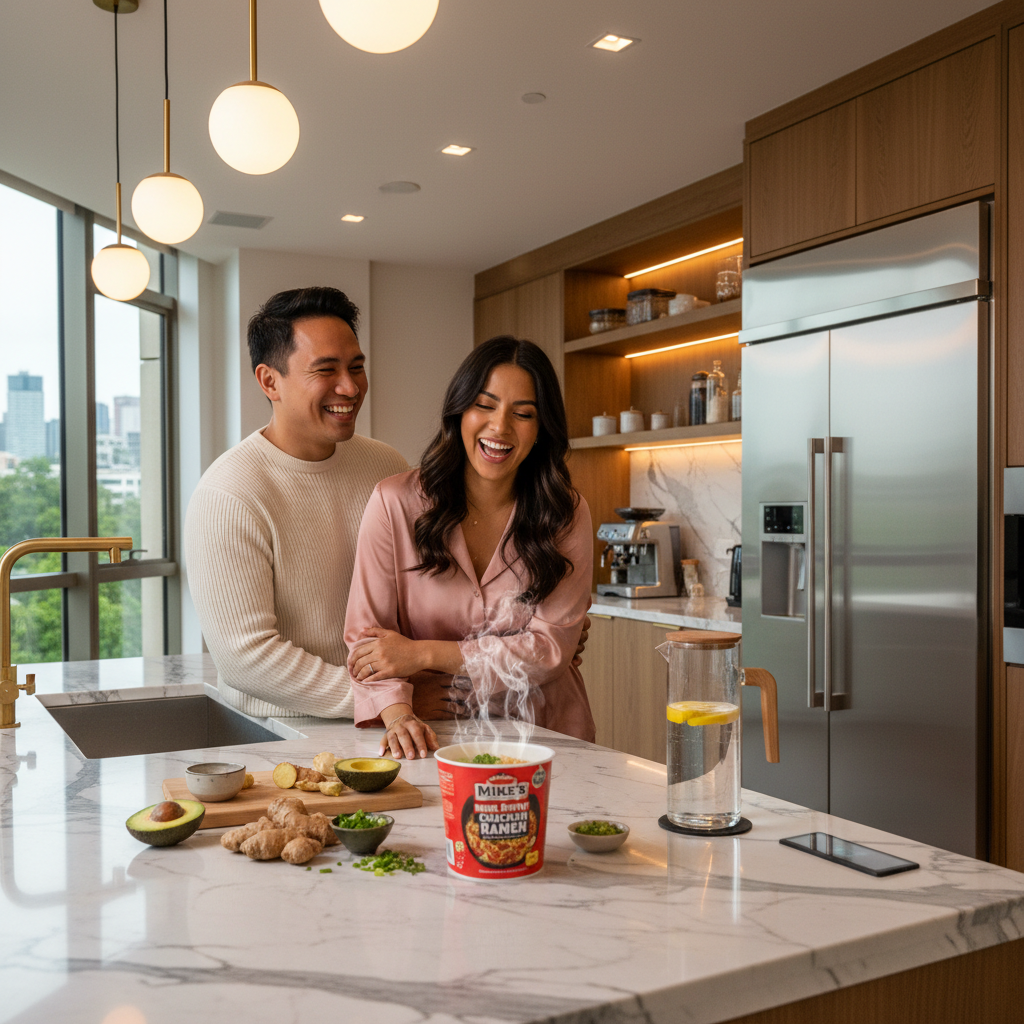
Why Your Instant Noodles Taste Different at Home
Instant noodles are basically flavored water—so if they taste weird at home, your tap is the suspect. Chlorine/chloramine can show up when heated, and hard water minerals can dull flavor and scale kettles. This post shows the 7-day test: cook noodles with filtered water and filtered ice, then compare—zero recipe changes. Renters: pitcher or countertop filter. Homeowners: under-sink filter or RO for consistent taste. Bonus: use a temperature-control electric kettle and a USA-made descaler monthly. Stop blaming the noodles. Take the Water Health Check, then book a Water Health Consult today at home.
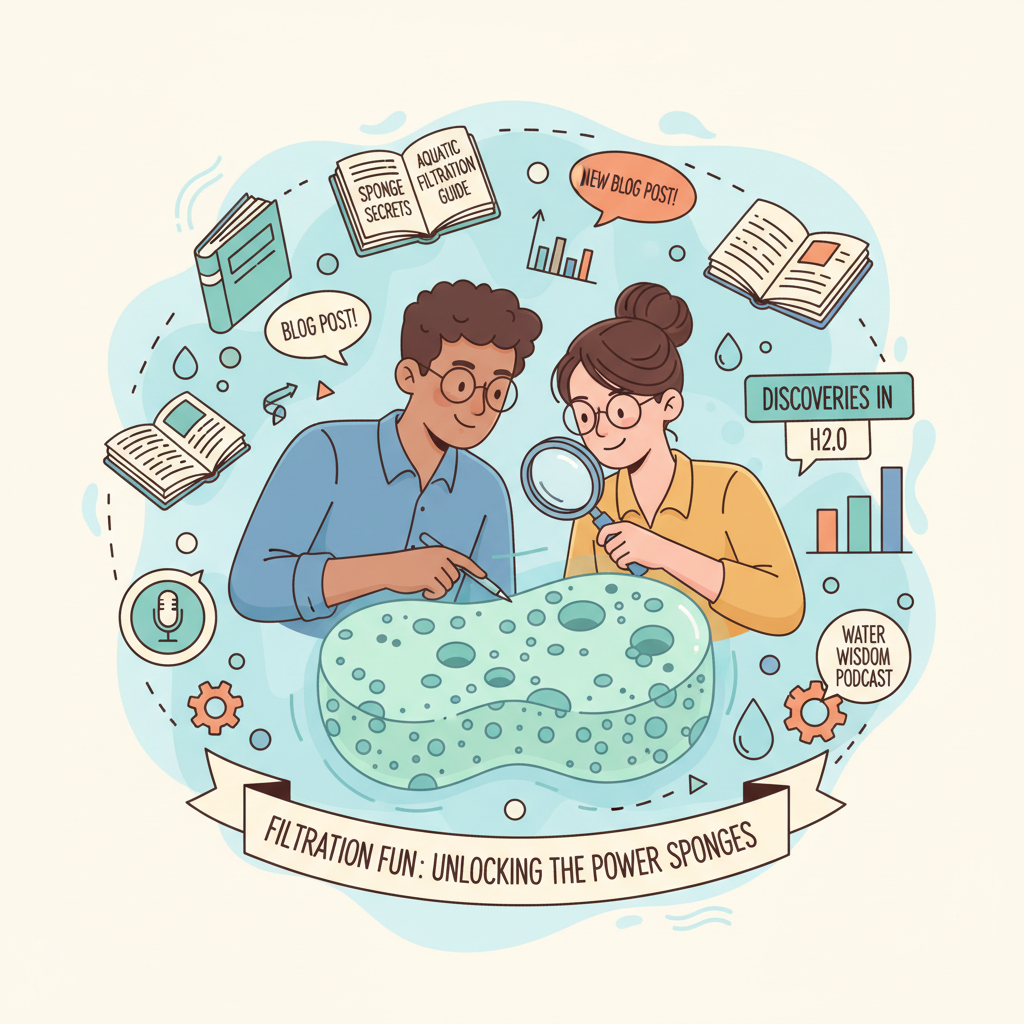
The Sponge That Knows Too Much
If your kitchen sponge smells like a crime scene, it’s not just the sponge—water and food residue feed the funk. This post shares a clean reset: swap sponges often, sanitize daily, and use a USA-made dish soap that rinses clean. For less film, confirm hard water with test strips and use filtered water for baby bottles, coffee, and rinsing produce. Add a draining sink caddy, a compostable sponge, and microfiber towels for a 30-second wipe. Less stink, fewer germs, more peace. Take the Water Health Check, then book a Water Health Consult for a simple kitchen plan.

How to Lose Friends and Annoy People With Your Water Glasses
Cloudy, spotted water glasses can ruin dinner fast. Hard water minerals leave film, and chlorine/chloramine can add an “off” taste. This post shows quick wins: rinse glasses hot, use a USA-made rinse aid, run a dishwasher cleaner, and switch to filtered water for ice and drinking. Want proof? Use simple hardness test strips, then choose your next step: pitcher/countertop filter (renter-friendly) or an under-sink kitchen system (set-and-forget). Stop serving “tap flavor” to guests—serve confidence. Take the Water Health Check, then book a Water Health Consult for the right plan every single time.

Rubber Duckies, Bath Rings, and Mystery Film
Rubber duckies are cute. Bath rings are not. If your tub grows a mystery film overnight, hard-water minerals plus soap can create stubborn buildup that clings to enamel, toys, and skin. This post keeps it simple: test for hardness, use less soap, and rinse the tub right after bathing so the ring doesn’t set. Add a bath or shower filter for comfort, and keep a microfiber cloth or squeegee for a 30-second reset. If you’re a homeowner battling scale, it may be time to talk whole-home treatment. Take the Water Health Check, then book a Water Health Consult today.
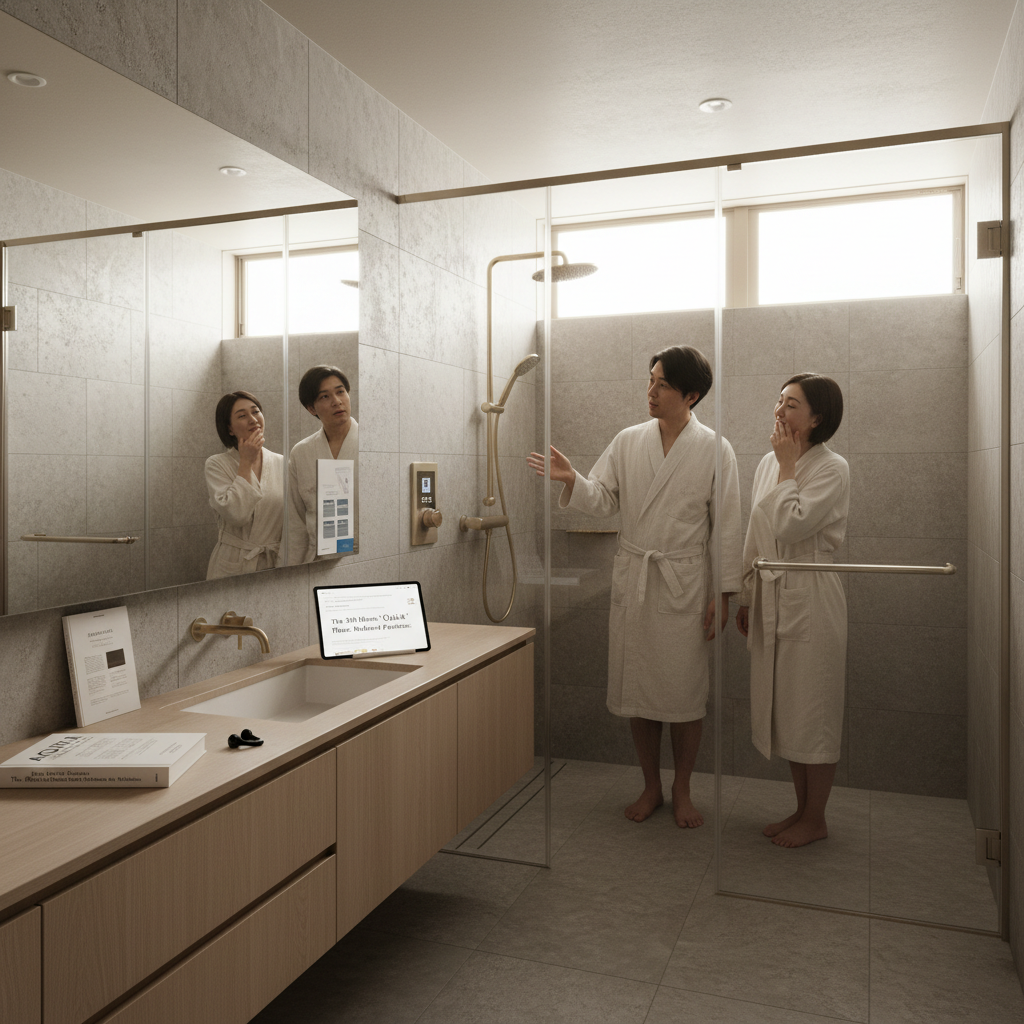
The “Quick Rinse” That Lasted 30 Minutes
The “quick rinse” that lasted 30 minutes is real—time moves differently behind shower glass. But long, hot showers can turn into long-term complaints: steam makes chlorine/chloramine smell louder, and heat can leave skin tight and hair frizzy. This post offers a kinder plan: use a shower timer and cut hottest minutes first, keep water warm—not volcanic—and add a shower filter for comfort. If you want spa vibes, use a bath pillow so you relax without roasting. Take the Water Health Check, then book a Water Health Consult for the best next step for your home today.
When the Shower Head Attacks (Pressure vs Quality)
When the shower head attacks, it’s usually two problems pretending to be one: pressure and water quality. Low pressure often comes from scale clogging nozzles, and high pressure can turn chlorine/chloramine smell into a full-contact sport. This post shows the fix: descale the head, switch to a handheld shower head, and add a shower filter for comfort. If your hair and skin feel worse after “power rinsing,” finish with a gentler, cooler rinse and moisturize right away. Want the right setup for your home (and your budget)? Take the Water Health Check, then book a Water Health Consult today.
Why Hotel Showers Feel Like a Gamble
Hotel showers feel like a gamble: sometimes your skin is soft, sometimes the water smells like bleach. Different cities use different disinfectants, and some hotels soften or treat water, changing how it feels on skin and hair. This post stays practical: bring a travel filter bottle for drinking and face rinsing, take slightly cooler, shorter showers, and moisturize right after. If you notice you only feel great away from home, that’s a clue—your home water may need an upgrade. Take the Water Health Check, then book a Water Health Consult for a clear plan that fits your house today.
The 8-Minute Shower That Steals 8 Hours of Comfort
That “quick 8-minute shower” can steal the next 8 hours if you step out itchy, tight, or frizzy. Hot water can strip comfort fast, and steam can amplify chlorine/chloramine smell. Hard-water minerals and soap residue may also leave a film that makes skin feel worse. This post gives a reset: shorten the hottest part, finish with a cooler rinse, pat dry, and moisturize immediately. Add a shower filter for comfort, and descale the shower head so you rinse clean. Want the right upgrade for your home? Take the Water Health Check, then book a Water Health Consult today.

Bath Bombs, Bubbles, and Bonus Chemicals
My Shower Playlist Is Fire, My Water Is… Not
Your shower playlist is fire, but your water smells like a public pool. Hot steam can amplify chlorine/chloramine, and hard-water minerals can leave residue that makes skin and hair feel dry. This post breaks it down simply: ventilate, drop the temp slightly, and add a renter-friendly shower filter for comfort. If buildup is your issue, descale the shower head so pressure improves too. Start with the fastest win, then use the Water Health Check to choose Renter, Starter, or Homeowner Essentials. Book a Water Health Consult for a clear plan that fits your home and budget without overbuying today.

Home Projects We Regret vs Water Systems We Don’t
Home projects we regret usually look great for 30 days and annoy us for 3 years. Water upgrades are the opposite: invisible, daily wins. This post compares common regret projects (trendy decor, rushed DIYs) with water systems homeowners rarely regret—better-tasting drinking water, less scale on appliances, and showers that feel comfortable. You’ll learn how to choose the right Essentials level for your home without overbuying, and why starting with your real goal (taste, comfort, or protection) beats guessing. Take the Water Health Check, then book a Water Health Consult for a plan that fits your home, budget, and timeline. Fewer regrets, more peace, better water. Invisible upgrade, visible benefits, forever ROI.
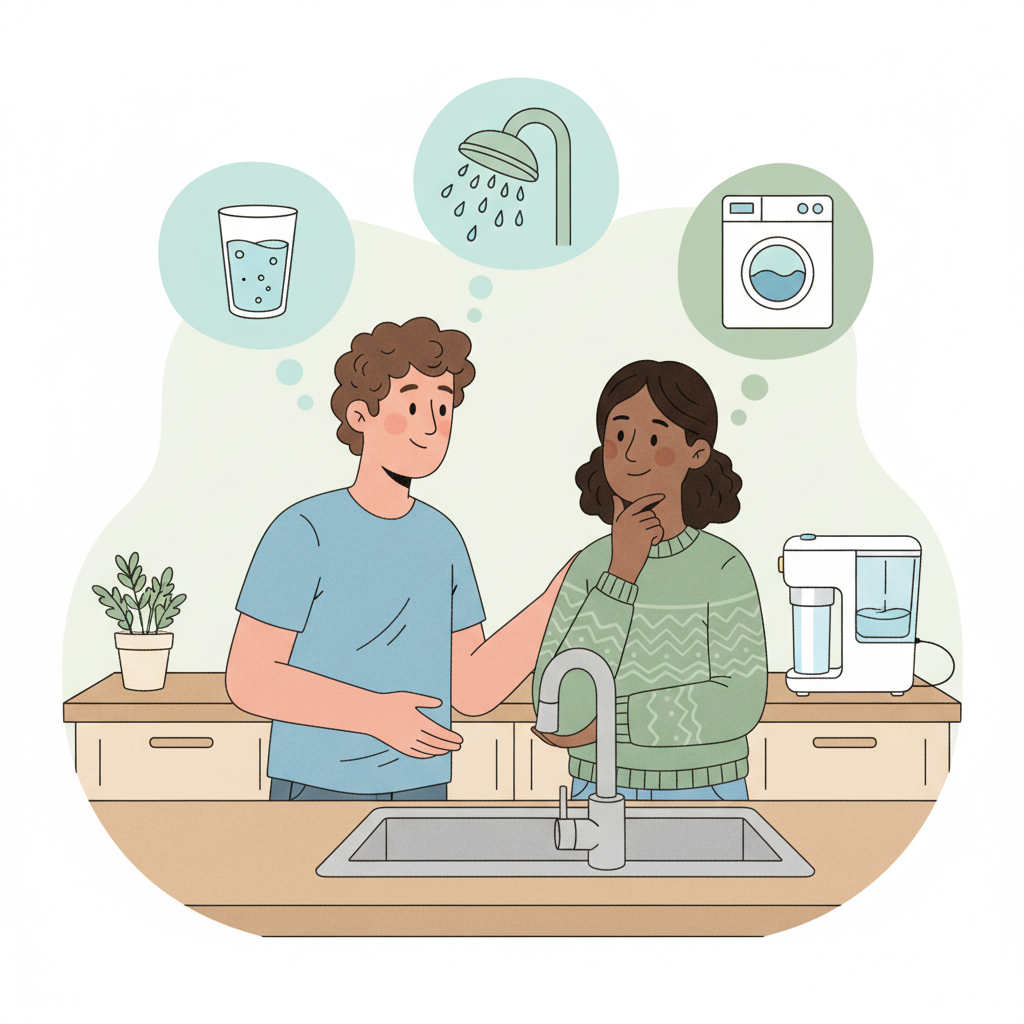
The Great “We Should Do Something About the Water” Conversation
The “we should do something about the water” conversation usually isn’t about water—it’s about uncertainty. Couples don’t want to overspend, get upsold, or start a project they regret. This post gives a simple framework: agree on your top goal (taste, shower comfort, or appliance protection), start with a small kitchen filter upgrade for quick wins, then get a plan before going big. You’ll learn how to compare options calmly and choose the right level for your home and budget. Take the Water Health Check, then book a Water Health Consult so you both feel confident. Less arguing, more clean water, fewer surprise repairs. Invisible upgrade, visible results, shared peace.

When Your Water Heater Sounds Like a Rock Tumbler
If your water heater sounds like a rock tumbler, scale buildup may be the culprit. Hard-water minerals can settle in the tank, causing popping noises, lower efficiency, uneven heating, and higher energy bills. This post explains what’s happening and the smartest next steps: follow safe flush guidance or hire a pro, consider descaler products for maintenance, and address hardness long-term so the problem doesn’t keep returning. Water heater issues are expensive when ignored and easier when planned. Take the Water Health Check, then book a Water Health Consult for the right solution for your home’s water, plumbing, and budget. Quieter heater, lower bills, longer lifespan.

Yard Work, Sprinklers, and That Rust Ring on Everything
If your yard work ends with rust rings and mystery stains, your outdoor water may be telling you something. Iron, sediment, and hard-water minerals can leave spotting on concrete, windows, patio furniture, and sprinkler heads. This post shows practical fixes: adjust sprinkler spray patterns, rinse surfaces before spots bake in, and use a hose filter for targeted outdoor tasks. If staining keeps returning, it may be time to evaluate the whole home water picture—because outdoor water is still part of your plumbing system. Take the Water Health Check, then book a Water Health Consult for a plan that protects your home, landscaping, and budget. Less staining, more curb appeal, fewer weekends scrubbing.

Honeymoon Phase vs “Why Does My New Home Smell Like Bleach?”
New home honeymoon phase ends fast when the shower smells like bleach. Hot water and steam can amplify chlorine/chloramine, making bathrooms feel pool-ish and leaving skin and hair feeling dry. This post explains what’s happening and the easiest fixes: improve ventilation, add a shower filter for comfort, and use a kitchen filter for better-tasting drinking and cooking water. If you’re a homeowner, it’s worth mapping a long-term plan so you don’t keep stacking random products. Take the Water Health Check, then book a Water Health Consult for the right fit—renting or owning, budget and goals included. Better showers, calmer mornings, no bleach vibes.

The Home Inspection Forgot to Check the Water
Your home inspection checked the attic, but not what you drink. Many inspections don’t include real water quality testing—so homeowners move in and discover hard-water scale, bleachy shower steam, or metallic taste later. This post shows the smart move: use a professional-grade water test kit, compare results with your local water report, and factor in your home’s plumbing age before buying equipment. You’ll learn what symptoms matter (scale, rust rings, spots, odor) and why guessing can cost more than testing. Take the Water Health Check, then book a Water Health Consult for a clear plan that fits your home and budget.

Buying a House and Inheriting Someone Else’s Pipes
Buying a house means inheriting someone else’s pipes—and your realtor never mentions it. Your new home can look perfect while water issues hide in old plumbing, hard-water scale, and disinfectant taste/smell. This post gives a calm first-30-days plan: run a simple baseline water test, use a pitcher filter as a stopgap for drinking and cooking, and schedule a Water Health Consult so you don’t guess on big systems. You’ll learn what to look for (scale, rust, bleach smell, low pressure) and how to choose the right upgrade without overbuying. Take the Water Health Check, then book a consult for your home today.
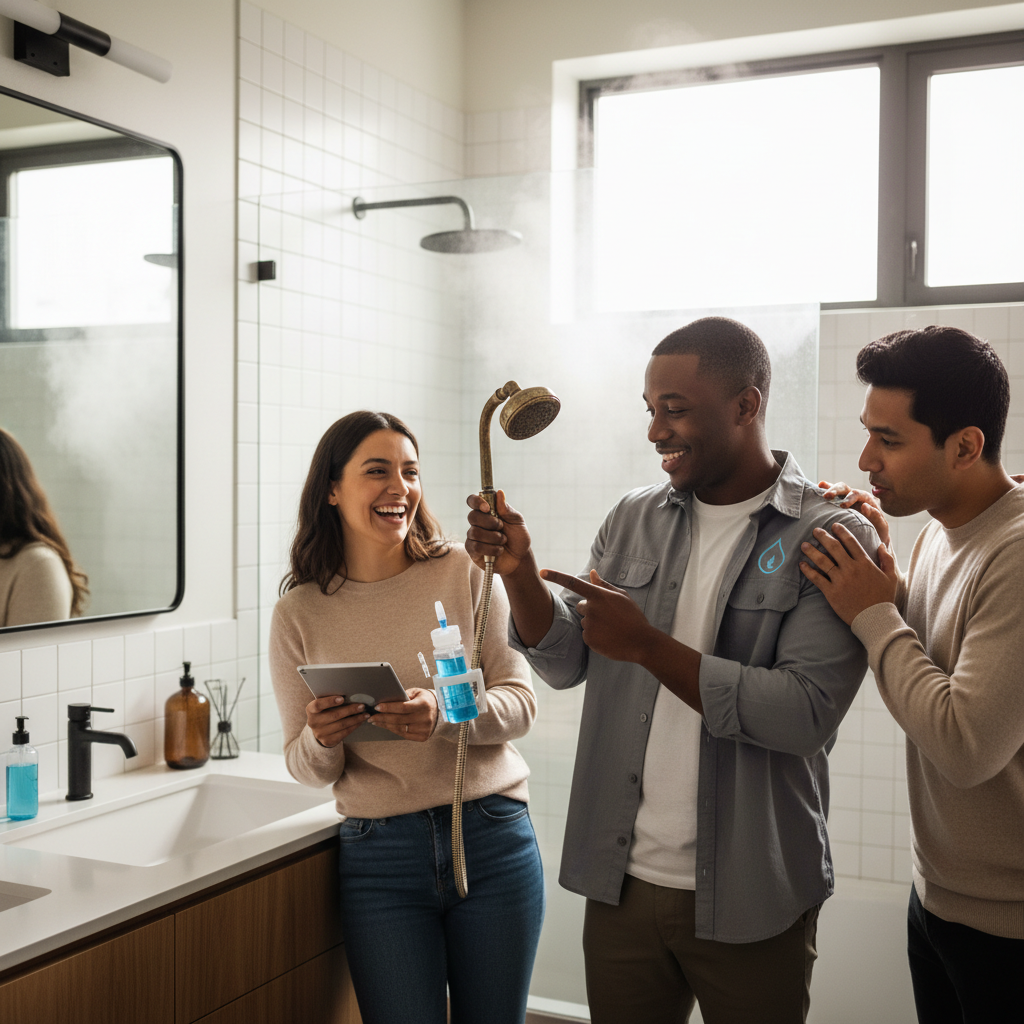
The Apartment Shower That Time Forgot
If your apartment shower looks like it survived three decades and a questionable roommate, you’re not alone. Old fixtures + hot steam can amplify that pool-like chlorine/chloramine vibe and leave skin and hair feeling dry. This post shows a simple refresh: swap in a handheld shower head for better pressure, add a shower filter for comfort, and descale the head so water flows clean. Renters can do this without remodeling and take it with them when they move. Take the Water Health Check and book a Water Health Consult for the next best step. Cleaner feel, better pressure, less drama.

Infant Swimming Resource (ISR): Priceless Peace Of Mind
Looking for ISR swim lessons near you? Infant Swimming Resource (ISR) teaches babies and toddlers (6 months–6 years) one-on-one self-rescue skills like Rollback-to-Float and Swim-Float-Swim—so kids gain confidence and parents gain priceless peace of mind. Louie shares his family’s real experience from Hawaii to San Diego and why ISR made a difference when water time changed. This is a promotional link only (no compensation). Use the ISR instructor locator to find a certified instructor, then reach out to Aloha Pure Water with questions or to talk through a simple home water-safety plan. Start early, stay consistent, and never skip supervision.
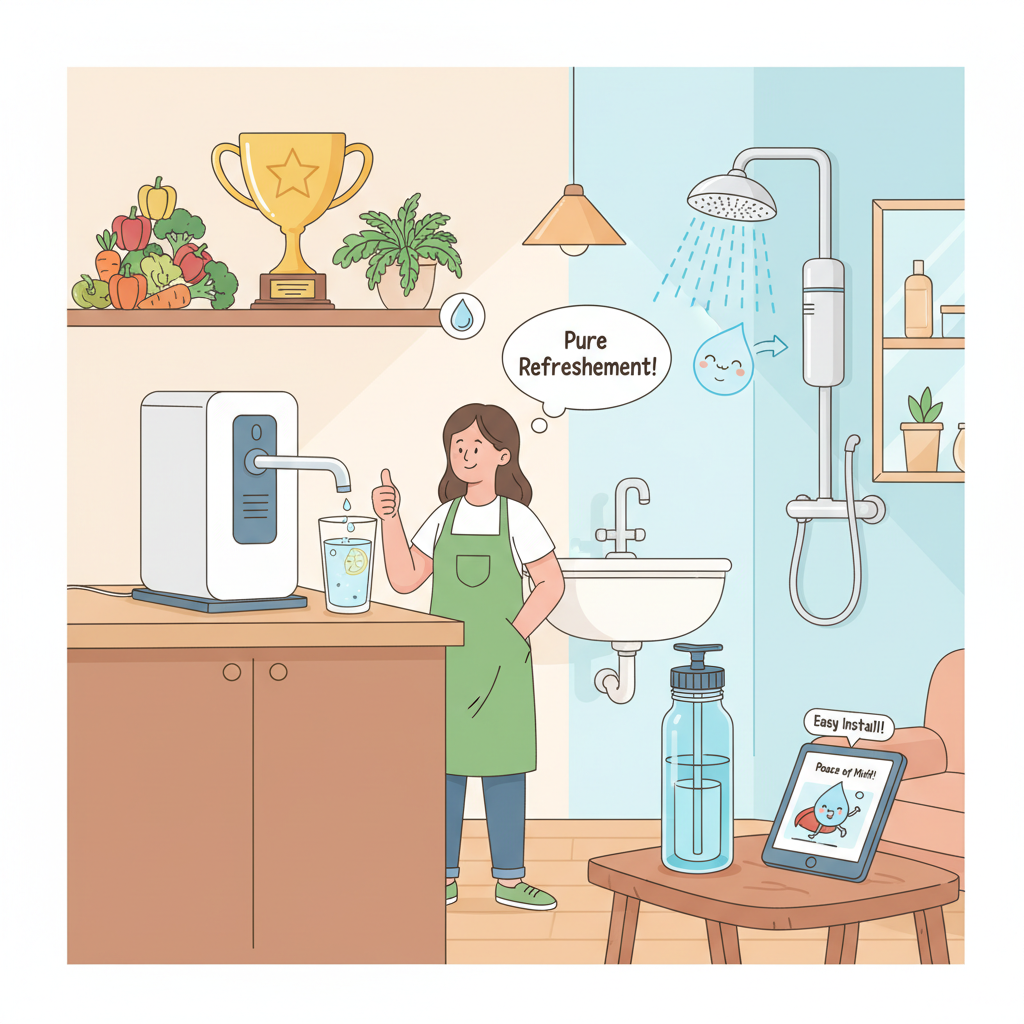
That One Time I Tried to DIY the Plumbing (Don’t)
That one time you tried to DIY the plumbing and learned humility? Same. Water fixes should not require a YouTube degree or a surprise flood. This post shows non-plumbed options that work: countertop filters for drinking and cooking, shower filters for comfort, and filter bottles for travel days. You’ll learn what common issues look like (chlorine smell, hard-water scale, weird taste) and how to choose a renter-friendly upgrade you can remove on move-out day. Take the Water Health Check and book a Water Health Consult for a plan that doesn’t involve emergency towels. Save your weekend—and ceiling—from leaks.