
The Hidden Challenge in Your Water: How Chloramine Impacts Health and Home Filtration Systems
The Hidden Challenge in Your Water: How Chloramine Impacts Health and Home Filtration Systems
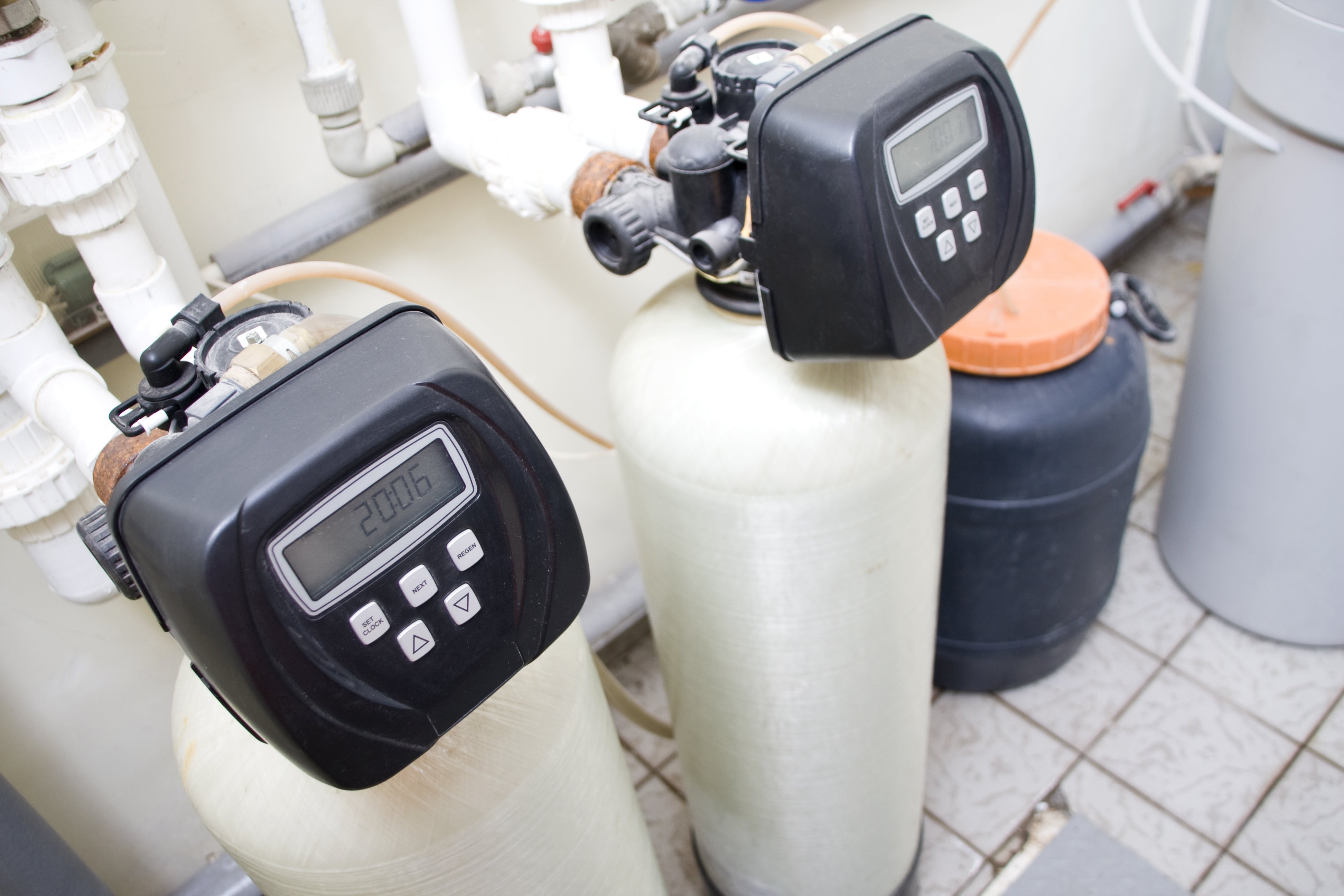
Many cities now use chloramine—a mix of chlorine and ammonia—to disinfect drinking water. While it lasts longer than chlorine, it’s harder to remove and can irritate skin, eyes, and lungs. Chloramine may also cause lead to leach from older pipes. For homeowners, it can damage reverse osmosis membranes, shorten carbon filter life, and degrade water softener resin. To protect your health and systems, install a catalytic carbon pre-filter and replace filters regularly. Though chloramine keeps water safe from bacteria, it’s harsh on people and plumbing—making proper filtration essential for long-term clean, healthy water.
Laundry Day and the Hard Water Hangover
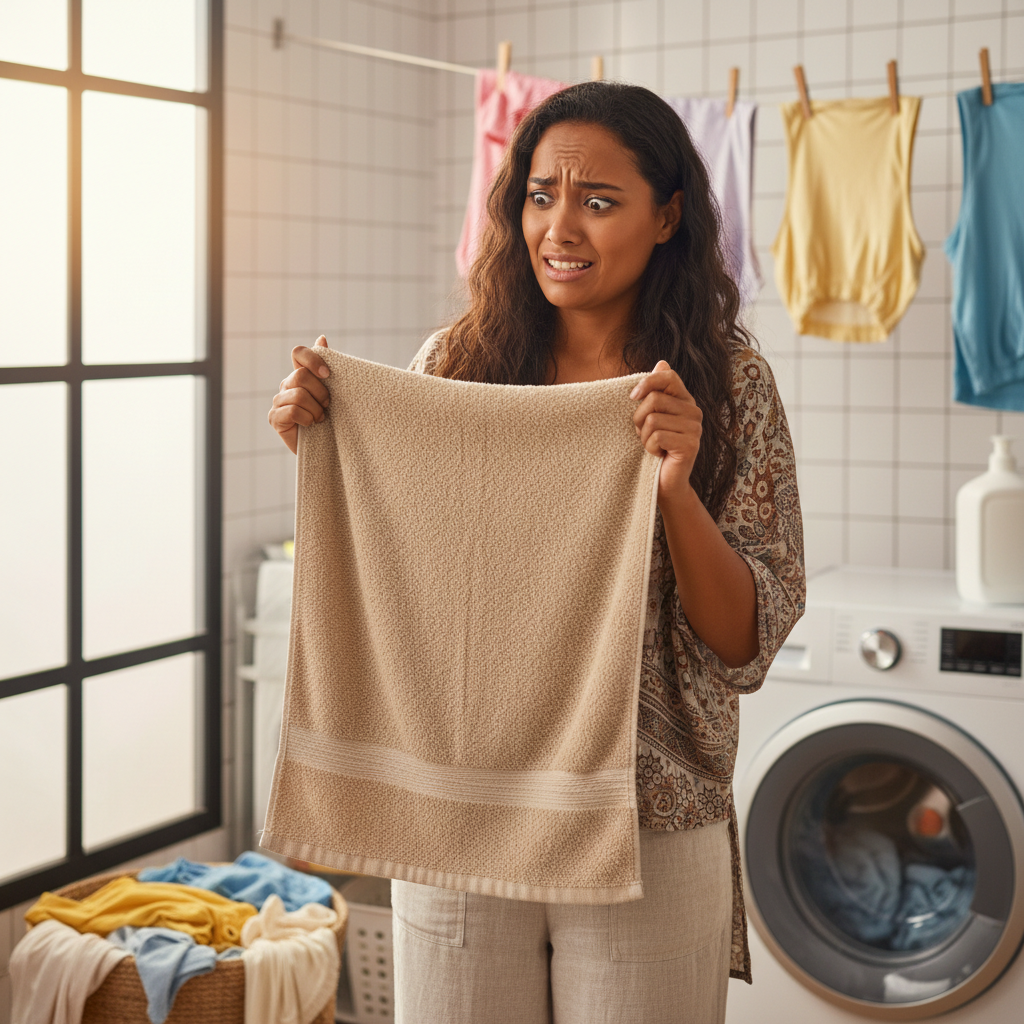
Hard water hangover is when laundry looks “done” but feels wrong: stiff tees, scratchy towels, cloudy whites, and a washer that smells tired. Hard water minerals fight soap, create film, and build scale inside appliances. This post lays out a simple playbook: test hardness, reduce detergent, add an extra rinse, use an oxygen booster or washing soda, and run washer-cleaner tablets monthly. Swap dryer sheets for wool dryer balls. Then decide: kitchen-only filtering, laundry-focused treatment, or whole-home protection. Take the Water Health Check, then book a Water Health Consult for a clear plan so laundry feels better, week after week.
Dishwasher Russian Roulette: Will This Load Look Clean?
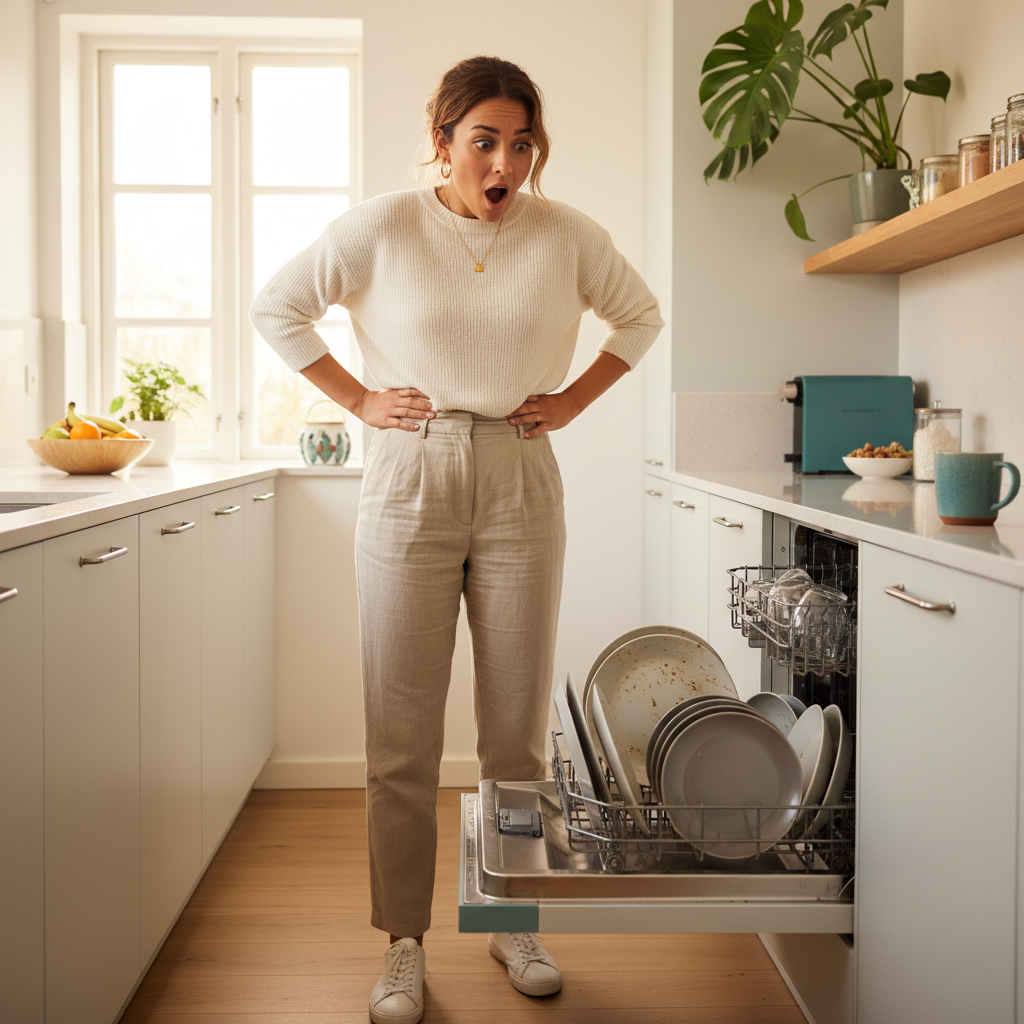
Dishwasher roulette—will this load look clean? Hard water minerals cause white spots, cloudy film, and crusty buildup, even with “premium” pods. This post shares quick wins: use a USA-made rinse aid, run a dishwasher cleaner monthly, and adjust detergent amount for your hardness level. Confirm with test strips, then choose the right fix: a kitchen filter for drinking + cooking, or a whole-home approach to protect expensive appliances for years ahead. Stop re-washing dishes and wasting weekends. Take the Water Health Check, then book a Water Health Consult for the right solution so your dishes look perfect.
That One Sink You Just Don’t Trust
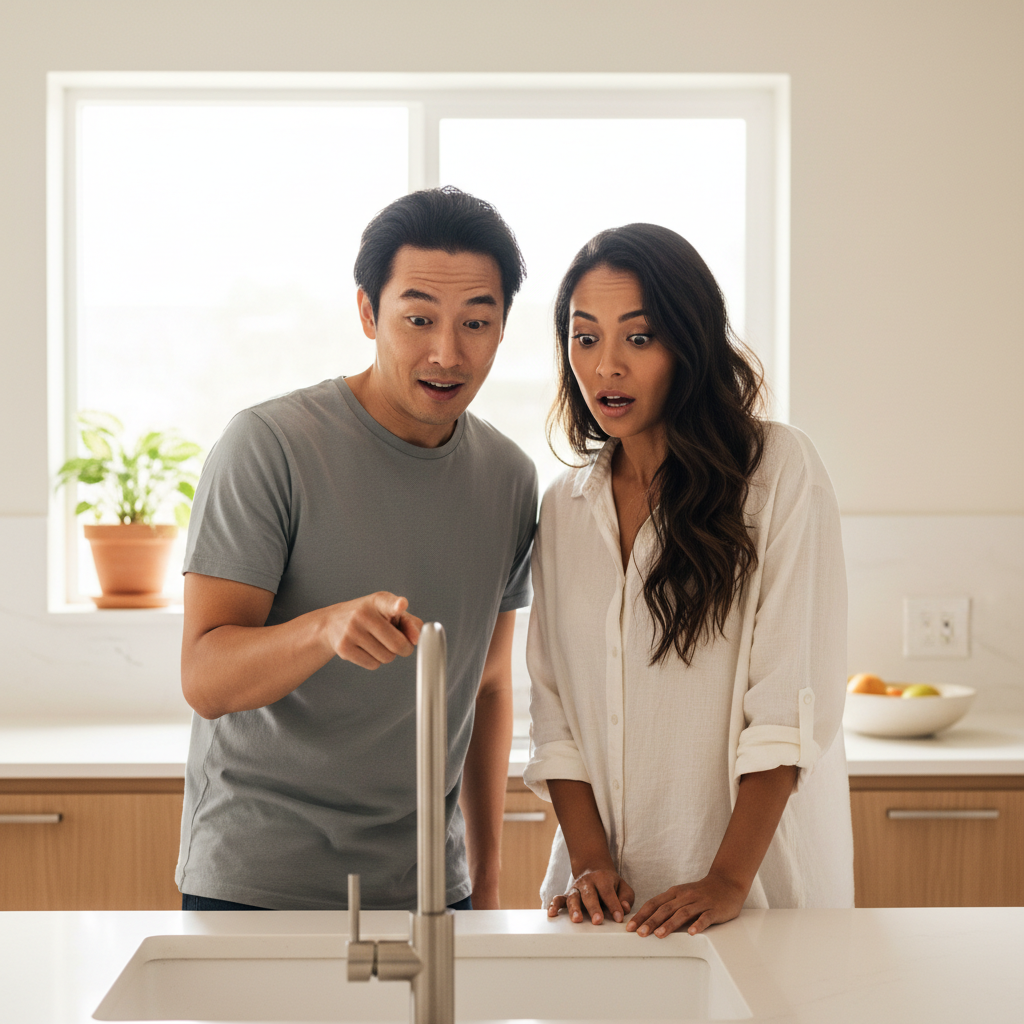
Everyone has one sink they don’t trust. Maybe it tastes metallic, smells weird, or leaves spots on everything. This post shows a no-drama reset: clean the aerator, replace old supply lines if needed, and test hardness and chlorine with simple strips. For immediate relief, use a faucet-mount or countertop filter and switch to filtered ice. Pair it with USA-made dish soap, a bottle brush that reaches valves and straws, and a drying rack that actually drains. Trust your kitchen again, quickly. Take the Water Health Check, then book a Water Health Consult for a whole-kitchen plan.
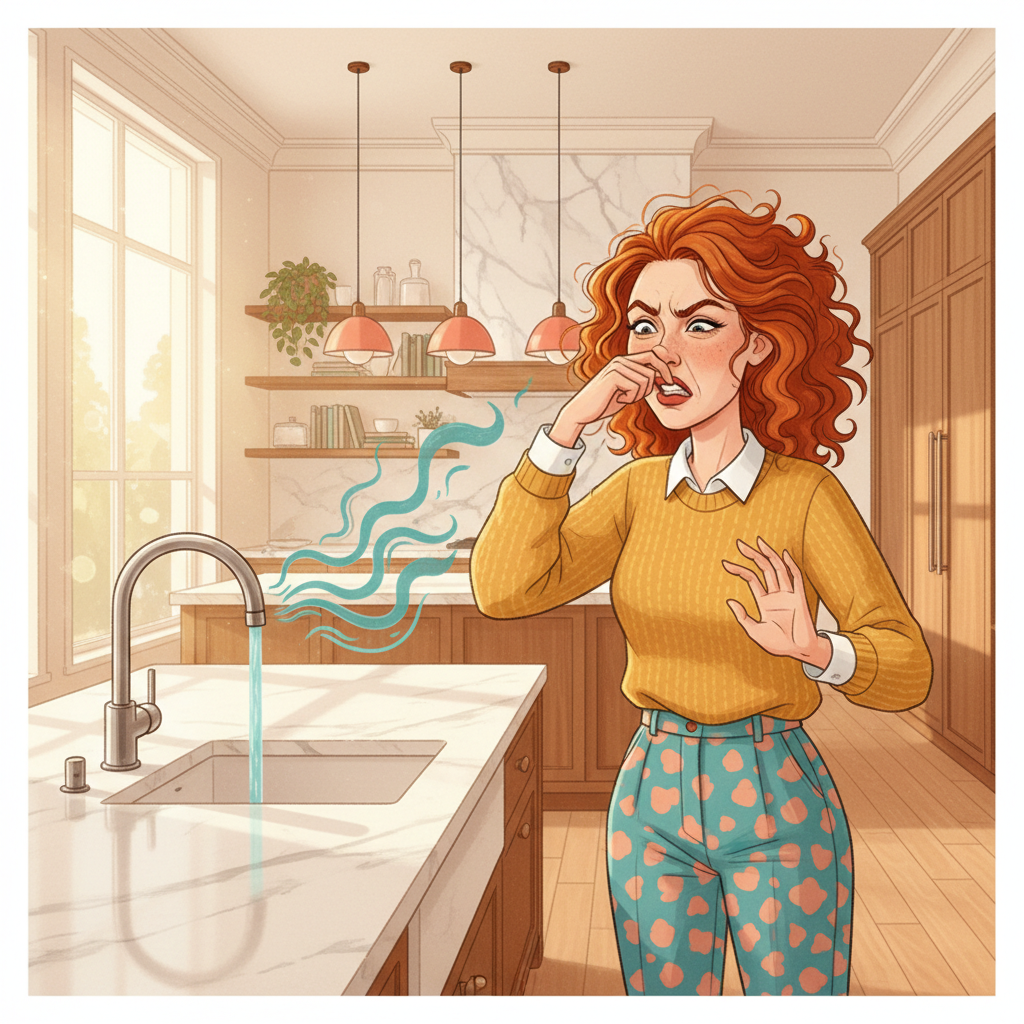
The Smell That Comes Out When You Run the Tap
That smell when you run the tap is a clue. First-draw water can pick up odors from plumbing, aerators, or disinfectants like chlorine/chloramine. This post keeps it practical: run water 30–60 seconds, clean the faucet aerator, and flush the cold line before filling bottles. If the smell is “rotten egg,” metallic, or persistent, use a home water test kit and review your local water report. A countertop or under-sink filter can improve taste fast. Stop guessing every sip for your family today. Take the Water Health Check, then book a Water Health Consult for next steps.

Hosting Dinner With “Don’t Drink the Tap” Energy
Hosting with “don’t drink the tap” energy is stressful. If your water tastes off, guests notice—especially in ice, coffee, and sparkling water. This post gives a calm hosting setup: a glass carafe filled with filtered water, clear ice made from filtered water, and a simple countertop filter for refills. Add USA-made dish soap, microfiber cloths, and odor-resistant glassware for a polished table. Want a long-term fix? Under-sink kitchen filtration keeps taste consistent without drama. No more awkward disclaimers—just great water. Take the Water Health Check, then book a Water Health Consult for your home.
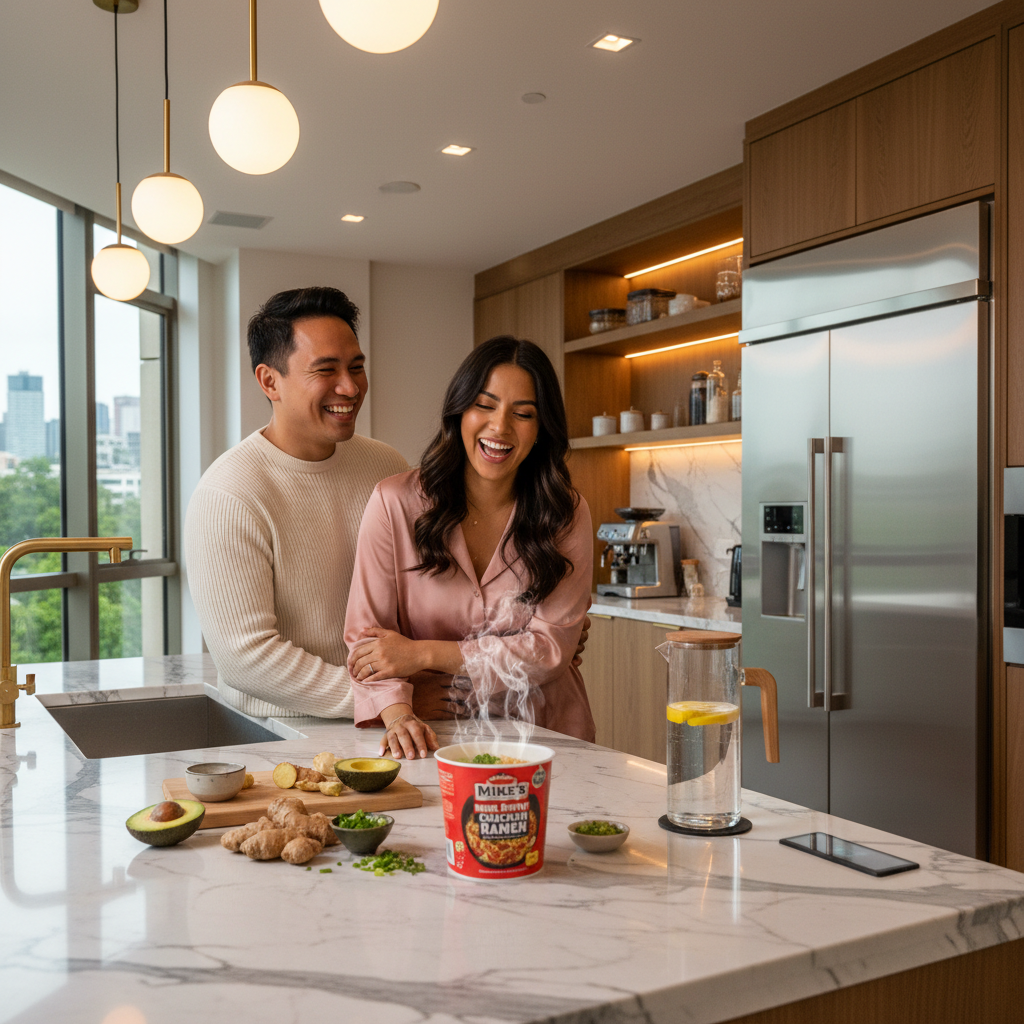
Why Your Instant Noodles Taste Different at Home
Instant noodles are basically flavored water—so if they taste weird at home, your tap is the suspect. Chlorine/chloramine can show up when heated, and hard water minerals can dull flavor and scale kettles. This post shows the 7-day test: cook noodles with filtered water and filtered ice, then compare—zero recipe changes. Renters: pitcher or countertop filter. Homeowners: under-sink filter or RO for consistent taste. Bonus: use a temperature-control electric kettle and a USA-made descaler monthly. Stop blaming the noodles. Take the Water Health Check, then book a Water Health Consult today at home.

The Sponge That Knows Too Much
If your kitchen sponge smells like a crime scene, it’s not just the sponge—water and food residue feed the funk. This post shares a clean reset: swap sponges often, sanitize daily, and use a USA-made dish soap that rinses clean. For less film, confirm hard water with test strips and use filtered water for baby bottles, coffee, and rinsing produce. Add a draining sink caddy, a compostable sponge, and microfiber towels for a 30-second wipe. Less stink, fewer germs, more peace. Take the Water Health Check, then book a Water Health Consult for a simple kitchen plan.

Rubber Duckies, Bath Rings, and Mystery Film
Rubber duckies are cute. Bath rings are not. If your tub grows a mystery film overnight, hard-water minerals plus soap can create stubborn buildup that clings to enamel, toys, and skin. This post keeps it simple: test for hardness, use less soap, and rinse the tub right after bathing so the ring doesn’t set. Add a bath or shower filter for comfort, and keep a microfiber cloth or squeegee for a 30-second reset. If you’re a homeowner battling scale, it may be time to talk whole-home treatment. Take the Water Health Check, then book a Water Health Consult today.
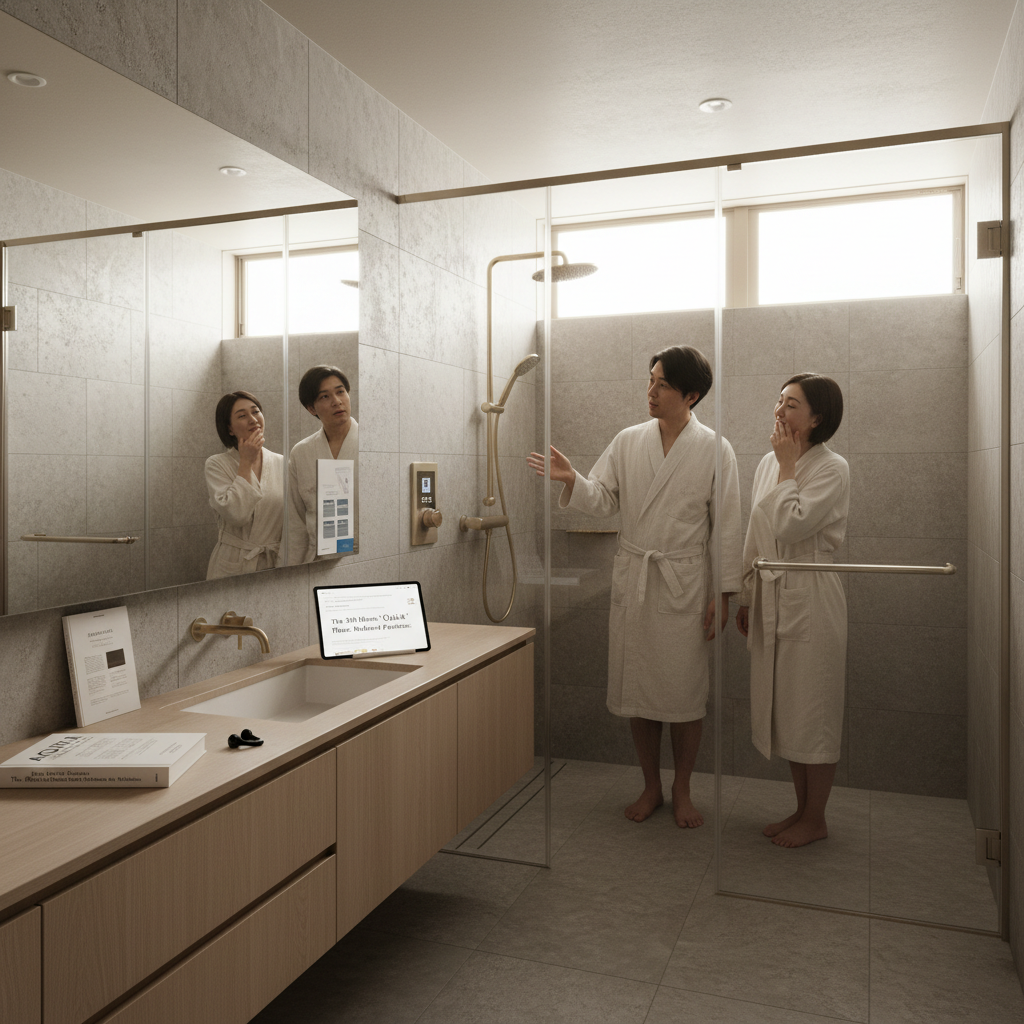
The “Quick Rinse” That Lasted 30 Minutes
The “quick rinse” that lasted 30 minutes is real—time moves differently behind shower glass. But long, hot showers can turn into long-term complaints: steam makes chlorine/chloramine smell louder, and heat can leave skin tight and hair frizzy. This post offers a kinder plan: use a shower timer and cut hottest minutes first, keep water warm—not volcanic—and add a shower filter for comfort. If you want spa vibes, use a bath pillow so you relax without roasting. Take the Water Health Check, then book a Water Health Consult for the best next step for your home today.

When the Shower Head Attacks (Pressure vs Quality)
When the shower head attacks, it’s usually two problems pretending to be one: pressure and water quality. Low pressure often comes from scale clogging nozzles, and high pressure can turn chlorine/chloramine smell into a full-contact sport. This post shows the fix: descale the head, switch to a handheld shower head, and add a shower filter for comfort. If your hair and skin feel worse after “power rinsing,” finish with a gentler, cooler rinse and moisturize right away. Want the right setup for your home (and your budget)? Take the Water Health Check, then book a Water Health Consult today.